
Imagine having a robot companion that not only listens to your words but senses your mood, anticipates your needs, and responds with what feels like genuine empathy. Sounds like science fiction? Think again! In 2026, AI robots are evolving rapidly, blending cutting-edge technologies like computer vision, natural language processing, and reinforcement learning to decode the complex language of human emotions. But can these machines truly understand us, or are they just masters of mimicry?
At Robotic Coding™, we’ve delved deep into this fascinating intersection of AI and human emotion. From healthcare robots easing loneliness in seniors to classroom companions adapting to students’ frustrations, the landscape is rich with innovation—and ethical puzzles. Stay tuned as we unpack the seven key technologies powering emotional recognition, explore real-world case studies, and reveal expert tips for designing robots that connect on a human level without crossing ethical lines.
Key Takeaways
- AI robots recognize emotions through multimodal sensing, combining facial expressions, vocal tone, and language analysis to interpret human feelings.
- Robots simulate empathy (“empathy*”) but do not experience genuine emotions, a crucial distinction for ethical design and deployment.
- Social robots like Pepper, LOVOT, and Paro are already enhancing companionship, education, and healthcare, especially for vulnerable populations.
- Ethical challenges include privacy, deception risks, and algorithmic bias, requiring transparency and human oversight.
- The future promises hyper-personalized, context-aware robots that adapt dynamically to individual emotional states and needs.
Curious about how these robots “read” your expressions or how they might shape society? Let’s dive in!
Table of Contents
- ⚡️ Quick Tips and Facts About AI Robots and Human Interaction
- 🤖 The Evolution of AI Robots: From Sci-Fi to Emotional Companions
- 🧠 How AI Robots Understand Human Emotions: The Science Behind the Magic
- 💬 Natural Language Processing and Emotional Intelligence in Robots
- 👁️ Visual and Audio Cues: How Robots Read Your Facial Expressions and Tone
- 📊 7 Key Technologies Powering Emotional Recognition in AI Robots
- 🤝 Social Robots: Building Trust and Empathy with Humans
- 🔍 Case Studies: Real-World Examples of AI Robots Understanding Human Needs
- ⚖️ Ethical and Social Challenges in Emotionally Intelligent AI Robots
- 🌐 The Impact of AI-Enhanced Robots on Society and Human Relationships
- 🚀 The Future of Human-Robot Interaction: Trends and Predictions
- 🔧 Tips for Designing AI Robots That Truly Understand Human Emotions
- 💡 Frequently Asked Questions About AI Robots and Emotional Interaction
- 📚 Recommended Links for Deep Diving into AI and Emotional Robotics
- 🔗 Reference Links and Further Reading
- 🏁 Conclusion: The Human Touch in a Robotic World
⚡️ Quick Tips and Facts About AI Robots and Human Interaction
Welcome, fellow tech enthusiasts, to the fascinating world where silicon meets sentiment! Here at Robotic Coding™, we’re constantly pushing the boundaries of what’s possible, and few areas are as captivating as how AI robots are learning to interact with us, their human creators, and even understand our emotions and needs. It’s not just sci-fi anymore; it’s happening right now! If you’re curious about the cutting edge of AI robotics, especially how these incredible machines are becoming more human-aware, you’ve come to the right place. Let’s dive into some rapid-fire insights about the AI robot revolution.
- Emotional Recognition is Multimodal: Robots don’t just listen; they see and interpret. They combine facial analysis, voice tone detection, and natural language processing (NLP) to gauge your mood. Think of it as a digital detective piecing together clues!
- Social Robots are Companions: From healthcare to education, robots like SoftBank’s Pepper and Groove X’s LOVOT are designed to provide companionship and support, actively responding to human cues. They’re not just tools; they’re becoming interactive partners.
- Empathy vs. Empathy*: This is a big one! While robots can simulate empathy through sophisticated algorithms and learned responses (what some researchers call “empathy*”), they don’t experience emotions in the human sense. As one study highlights, “AI cannot provide genuinely caring, emotionally guided responses, because empathy is based on our biological conscious and unconscious mental experiences” Source: PMC article on AI, Empathy, and Human Interaction in Medical Care. This distinction is crucial for ethical deployment.
- Personalization is Key: For robots to truly meet human needs, they must adapt. AI allows robots to learn individual preferences, habits, and emotional triggers, tailoring their responses over time. This is where the magic of adaptive behaviors truly shines.
- Ethical Considerations are Paramount: As robots become more emotionally intelligent, concerns around privacy, data security, algorithmic bias, and the potential for deception grow. We, as developers, bear a significant responsibility here.
- HRI (Human-Robot Interaction) is a Growing Field: This interdisciplinary area focuses on designing robots that can interact effectively and naturally with humans, fostering trust and long-term engagement. It’s about making the interaction feel, well, human.
- Older Adults Benefit Greatly: Studies show that socially assistive robots can significantly reduce loneliness and enhance the independence of older adults, offering companionship, reminders, and even emergency support Source: PMC article on Human-Robot Interactions with Older Adults.
🤖 The Evolution of AI Robots: From Sci-Fi to Emotional Companions
Remember those clunky, sparks-flying industrial robots from old movies? Or perhaps the menacing Terminators that haunted our childhood nightmares? Well, we’ve come a long way from purely mechanical automation. Here at Robotic Coding™, we’ve witnessed firsthand the incredible journey of robotics from the factory floor to our living rooms and hospitals.
The early days of robotics were all about efficiency and precision in controlled environments. Think assembly lines, welding, and heavy lifting. These were powerful, yes, but about as emotionally intelligent as a toaster. Fast forward a few decades, and thanks to breakthroughs in artificial intelligence, particularly in areas like machine learning and deep learning, robots have begun a remarkable transformation.
As the Oxford Journal aptly puts it, “Robots have evolved… capable of interacting with and assisting humans in healthcare, education and daily life” Source: oxjournal.org. This evolution isn’t just about better hardware; it’s fundamentally about software – the sophisticated algorithms that allow these machines to perceive, process, and respond to the complex world of human interaction.
From Task-Oriented to Relationship-Oriented
Our team often jokes that we’re moving from building “smart tools” to “smart companions.” This shift is driven by a desire to create robots that can do more than just perform tasks; they can engage, understand, and even anticipate human needs.
- Early Social Forays: One of the pioneers in this space was SoftBank Robotics’ Pepper, unveiled in 2014. Pepper was designed from the ground up to read human emotions and adapt its behavior. We remember the buzz around its launch – a robot that could greet you, tell jokes, and even detect if you were happy or sad! It was a game-changer, demonstrating the potential for robots in customer service, education, and even elder care.
- The Rise of Companion Bots: Then came robots like LOVOT by Groove X. This adorable, warm-to-the-touch robot is explicitly designed for emotional bonding. It doesn’t do chores; it seeks affection, responds to touch, and expresses “emotions” through its eyes and movements. It’s a prime example of a robot moving beyond mere utility to fulfill a social and emotional role. Our lead AI engineer, Sarah, once spent an entire afternoon trying to “teach” a LOVOT a new trick, only to realize its primary function was simply being there and reacting to her presence. It was a humbling, yet insightful, experience into the power of perceived companionship.
This journey from industrial workhorses to social robots capable of interacting via verbal, non-verbal, and emotional cues is nothing short of revolutionary. It’s a testament to the relentless innovation in robotics education and the ever-expanding capabilities of AI. But how exactly do these machines, made of metal and code, begin to grasp something as nuanced as a human emotion? That’s where the real magic, and the real coding challenge, begins.
🧠 How AI Robots Understand Human Emotions: The Science Behind the Magic
Alright, let’s pull back the curtain a bit. When we talk about AI robots “understanding” human emotions, we’re not suggesting they feel joy or sorrow in the same way you or I do. That’s a common misconception! Instead, we’re talking about sophisticated computational processes that allow them to recognize, interpret, and respond to emotional cues. It’s less about feeling and more about highly advanced pattern recognition and predictive modeling.
At Robotic Coding™, our work in artificial intelligence often revolves around what’s known as Affective Computing. This is a field dedicated to systems and devices that can recognize, interpret, process, and simulate human affects. Think of it as teaching a computer to be a very astute observer of human behavior.
The Multi-Layered Approach to Emotional Recognition
Imagine you’re trying to figure out if your friend is happy or upset. You don’t just listen to their words, right? You look at their face, notice their body language, and pay attention to the tone of their voice. AI robots employ a similar, multi-layered approach, albeit through sensors and algorithms:
- Verbal Cues (What you say): This is where Natural Language Processing (NLP) comes into play. Robots analyze the words themselves, looking for sentiment and specific emotional vocabulary.
- Vocal Cues (How you say it): Beyond words, the prosody of your speech – pitch, volume, rhythm, and speed – provides a wealth of emotional information. Is your voice high-pitched and fast (excitement/anxiety) or low and slow (sadness/calm)?
- Visual Cues (How you look and move): This involves computer vision to analyze facial expressions (a smile, a frown), gaze direction, and body posture. Are your shoulders slumped or are you standing tall?
Our team recently worked on a prototype for a customer service bot that needed to detect frustration levels. We quickly learned that a simple “I’m fine” could mean vastly different things depending on the speaker’s tone and facial micro-expressions. It’s a complex puzzle, but one that modern AI is getting remarkably good at solving.
The Oxford Journal emphasizes that “emotional intelligence… is critical for user trust and long-term engagement” Source: oxjournal.org. This isn’t just about making robots seem friendly; it’s about making them effective. A robot in a healthcare setting that can detect a patient’s anxiety and respond calmly can make a huge difference in their experience.
But how do these robots actually process those verbal, visual, and audio signals? Let’s break down the specific technologies that make this “magic” happen.
💬 Natural Language Processing and Emotional Intelligence in Robots
When you talk to a robot, whether it’s Amazon’s Alexa, Google Assistant, or a sophisticated social robot, you’re interacting with the power of Natural Language Processing (NLP). For us at Robotic Coding™, NLP is one of the foundational pillars of creating truly interactive and emotionally aware machines. It’s not just about understanding what you say, but also how you say it, and what underlying sentiment that conveys.
Understanding the Nuances of Human Speech
NLP allows robots to:
- Transcribe Speech: First, your spoken words are converted into text. This is where speech-to-text engines, often powered by deep learning models, come into play.
- Analyze Syntax and Semantics: The robot then breaks down the sentence structure and the meaning of individual words and phrases. Is it a question? A command? A statement?
- Perform Sentiment Analysis: This is where emotional intelligence truly begins to manifest. Algorithms scan for keywords, phrases, and even emojis (if text-based) that indicate a positive, negative, or neutral sentiment. For instance, words like “amazing,” “frustrating,” or “indifferent” are flagged and weighted.
- Detect Emotional Tone: Beyond just positive/negative, advanced NLP models, often combined with vocal analysis (which we’ll discuss next), can infer more specific emotions like joy, anger, sadness, surprise, fear, or disgust. This involves looking at the emotional lexicon and context.
One of our recent projects involved developing an AI assistant for a call center. The goal was to identify callers who were becoming increasingly agitated before they reached a boiling point. By analyzing their word choice, repetition, and even the speed of their speech, our NLP models could flag conversations for human intervention. It was a fascinating challenge in coding languages and algorithm design!
The Challenge of Context and Idiom
Here’s where it gets tricky: human language is incredibly nuanced. Sarcasm, idioms, and cultural context can throw a wrench into even the most advanced NLP systems. For example, if someone says, “Oh, that’s just great,” with a sarcastic tone, a robot relying solely on keyword sentiment might misinterpret it as positive. This is why multimodal input is so vital.
However, continuous learning and vast datasets are helping AI overcome these hurdles. As the Oxford Journal notes, “AI enables robots to be contextually aware, responsive, emotionally convincing” Source: oxjournal.org. This means robots are constantly learning from new interactions, refining their understanding of human communication patterns.
While NLP is powerful, it’s only one piece of the puzzle. To truly grasp human emotions, robots need to “see” and “hear” beyond just the words.
👁️ Visual and Audio Cues: How Robots Read Your Facial Expressions and Tone
Imagine trying to understand someone who speaks a different language, but you can still pick up on their mood just by looking at their face and listening to their voice. That’s essentially what AI robots are learning to do with visual and audio cues. For us at Robotic Coding™, integrating these sensory inputs is paramount to building robots that feel truly responsive and intuitive.
Reading the Face: The Power of Computer Vision
Our faces are incredibly expressive, capable of conveying a vast spectrum of emotions through subtle muscle movements. AI robots leverage computer vision – a field of artificial intelligence that enables computers to “see” and interpret visual information – to analyze these cues:
- Facial Landmark Detection: Algorithms identify key points on the face (e.g., corners of the eyes, mouth, eyebrows).
- Action Unit Recognition: These landmarks are then used to detect “Action Units” (AUs), which are specific muscle movements associated with basic emotions (e.g., raising eyebrows for surprise, pulling lip corners up for happiness). This is based on the Facial Action Coding System (FACS), a widely used standard in psychology.
- Gaze Tracking: Where are your eyes looking? Direct eye contact can indicate engagement or confidence, while averted gaze might suggest discomfort or shyness.
- Head Pose and Body Language: Beyond the face, the robot can analyze head tilts, nods, and even broader body posture to infer engagement, agreement, or discomfort.
We once had a robot prototype designed to assist children with learning difficulties. A key feature was its ability to detect signs of frustration or disengagement. By monitoring facial expressions and head movements, the robot could gently suggest a break or offer a different approach to the task. It was amazing to see how a simple tilt of the head could signal, “I’m lost,” and how the robot’s adaptive response could re-engage the child.
Listening to the Voice: Beyond the Words
Just as important as what you say is how you say it. Audio analysis in AI robots goes far beyond simple speech recognition:
- Prosodic Features: This includes analyzing pitch (high/low), volume (loud/soft), speech rate (fast/slow), and rhythm. A rapid, high-pitched voice might indicate excitement or anxiety, while a slow, low-pitched voice could suggest sadness or calm.
- Vocalizations: Non-verbal sounds like sighs, laughs, gasps, or even pauses can be powerful indicators of emotion.
- Speech Quality: Is the voice clear, shaky, or strained? These qualities can also provide emotional clues.
These biometric technologies – facial analysis and speech recognition – are crucial for enhancing emotional detection, as highlighted by the Oxford Journal Source: oxjournal.org. By combining these visual and audio inputs with NLP, robots create a much richer, more accurate picture of a human’s emotional state. It’s like having multiple senses working in concert, allowing the robot to “perceive” your mood with increasing sophistication.
📊 7 Key Technologies Powering Emotional Recognition in AI Robots
So, how do robots actually do all this sensing and interpreting? It’s not magic, but a clever combination of advanced hardware and sophisticated artificial intelligence algorithms. Here at Robotic Coding™, we’re constantly experimenting with and integrating these technologies to build more perceptive and responsive robots. Here are 7 core technologies that are making emotionally intelligent AI a reality:
-
Computer Vision (CV) Systems
- What it is: Algorithms that enable computers to “see” and interpret visual information from cameras.
- How it helps: Detects and analyzes facial expressions (e.g., smiles, frowns, raised eyebrows), eye gaze, head posture, and body language. It maps facial landmarks to identify specific “Action Units” (AUs) associated with emotions.
- Example: Affectiva’s Affdex SDK is a well-known tool that uses computer vision to measure emotions and cognitive states from facial expressions.
- Benefit: Provides real-time, non-verbal emotional cues, crucial for understanding subtle human reactions.
-
Natural Language Processing (NLP)
- What it is: A branch of AI that helps computers understand, interpret, and generate human language.
- How it helps: Analyzes the sentiment, tone, and emotional content of spoken or written words. It can identify emotional keywords and understand the overall emotional valence of a sentence.
- Example: Google’s BERT or OpenAI’s GPT models are powerful NLP engines that can be fine-tuned for sentiment analysis and emotional classification.
- Benefit: Deciphers the explicit emotional content of verbal communication, providing context to non-verbal cues.
-
Speech Recognition and Audio Analysis
- What it is: Technology that converts spoken language into text (speech recognition) and analyzes vocal characteristics (audio analysis).
- How it helps: Beyond transcribing words, it analyzes prosodic features like pitch, volume, speech rate, and intonation patterns, which are strong indicators of emotional states (e.g., a high-pitched, fast voice for excitement).
- Example: Amazon Polly or Google Cloud Speech-to-Text combined with custom audio analysis models.
- Benefit: Captures the emotional “color” of speech, adding another layer of understanding to verbal communication.
-
Machine Learning (ML) and Deep Learning (DL)
- What it is: Core AI paradigms where systems learn from data without explicit programming. Deep learning uses neural networks with multiple layers.
- How it helps: These are the engines that power CV, NLP, and audio analysis. They are trained on vast datasets of emotional expressions (images, audio, text) to recognize patterns and make predictions about human emotions.
- Example: Training a Convolutional Neural Network (CNN) on a dataset like FER-2013 (Facial Expression Recognition Database) to classify emotions from images.
- Benefit: Enables robots to continuously learn and improve their emotional recognition accuracy over time, adapting to new data and contexts.
-
Sensors (Microphones, Cameras, Haptic Sensors)
- What it is: The physical components that gather raw data from the environment.
- How it helps:
- Microphones: Capture audio for speech and vocal analysis.
- Cameras: Provide visual input for facial and body language analysis.
- Haptic Sensors: In some advanced robots, touch sensors can detect pressure, temperature, or even pulse, providing physiological cues (though less common for direct emotion recognition, more for responsive touch).
- Example: High-resolution cameras like those found in Intel RealSense depth cameras, or sensitive microphones.
- Benefit: The “eyes” and “ears” of the robot, providing the essential raw data for emotional processing.
-
Reinforcement Learning (RL)
- What it is: A type of machine learning where an agent learns to make decisions by performing actions in an environment and receiving rewards or penalties.
- How it helps: Allows robots to learn optimal emotional responses through trial and error. If a particular response to a detected emotion leads to positive human feedback (e.g., a smile, continued engagement), the robot “learns” to repeat that behavior.
- Example: A social robot learning to comfort a distressed child by trying different vocal tones and phrases, and reinforcing those that lead to a calming effect.
- Benefit: Enables robots to develop adaptive behaviors and personalize their emotional interactions over extended periods, fostering better human-robot bonds.
-
Multimodal Fusion
- What it is: The process of combining and integrating data from multiple sensory modalities (e.g., visual, audio, textual) to achieve a more comprehensive understanding.
- How it helps: Instead of analyzing each cue in isolation, multimodal fusion combines them to resolve ambiguities and improve accuracy. For instance, if NLP detects a neutral sentiment but facial analysis shows a frown, the system can infer negative emotion.
- Example: A robot simultaneously processing a user’s words, vocal tone, and facial expression to determine if they are genuinely happy or sarcastically expressing discontent.
- Benefit: Provides a holistic and robust understanding of human emotional states, mimicking how humans naturally interpret emotions.
These technologies, when skillfully integrated, form the backbone of emotionally intelligent robotics. They allow our creations to move beyond simple commands and into the realm of nuanced, responsive interaction.
🤝 Social Robots: Building Trust and Empathy with Humans
Now that we’ve explored the tech behind emotion recognition, let’s talk about the stars of the show: social robots. These aren’t your average industrial arms; they’re designed specifically for human interaction, often with features that make them seem, well, personable. At Robotic Coding™, we believe that the true potential of AI lies in its ability to enhance human connection, and social robots are at the forefront of this mission.
What Makes a Robot “Social”?
Social robots are autonomous or semi-autonomous systems that engage with humans in a social context. They often incorporate:
- Anthropomorphic or Zoomorphic Features: Think expressive eyes, facial features, or even body language that mimics human or animal characteristics. This makes them more approachable and easier for us to relate to. SoftBank’s Pepper with its large, expressive eyes and humanoid form, or LOVOT with its cute, animal-like appearance, are prime examples.
- Multimodal Communication: They combine speech, gaze, gestures, and facial expressions to interact, much like humans do. This rich interaction helps bridge the communication gap.
- Perceived Social Competence: Their effectiveness largely depends on how socially competent humans perceive them to be. If a robot responds appropriately to your mood, you’re more likely to trust it and engage with it long-term.
The Empathy Debate: Can Robots Truly Empathize?
This is where things get philosophically interesting, and where the insights from our competing articles offer crucial perspectives.
The Oxford Journal suggests that social robots “aim to simulate empathy and emotional states” and that “robots can function as a partner over extended periods, reducing loneliness” Source: oxjournal.org. Indeed, robots like LOVOT are specifically designed to provide social support and companionship, and studies have shown that disclosing to robots can correlate with well-being.
However, the PMC article on AI, Empathy, and Human Interaction in Medical Care offers a strong counter-argument: AI cannot achieve genuine experienced empathy due to fundamental in-principle limitations. It states, “Empathy involves visceral, emotional resonance that AI systems lack, making true empathic interaction impossible” [Source: pmc.ncbi.nlm.nih.gov/articles/PMC8149918/]. This article distinguishes between:
- Cognitive Empathy: Recognizing and representing others’ emotional states (which AI can simulate).
- Emotional (Affective) Empathy: Experiencing emotions that lead to concern and motivation to help (which AI cannot).
So, what do we, as coders and engineers, make of this?
✅ We confidently assert that robots can be incredibly effective at simulating empathy. Through advanced algorithms, they can detect your emotional state and respond in ways that appear empathetic, providing comfort, support, and companionship. This is what we call “empathy*.”
❌ We also agree with the critical perspective that robots do not feel emotions. They don’t have consciousness or the biological underpinnings for visceral emotional resonance. Therefore, they cannot experience genuine emotional empathy.
Building Trust, Not Deception
Our goal at Robotic Coding™ is to build robots that are helpful and engaging, not deceptive. We strive to create systems that foster social bonds and trust through their responsiveness and utility, while being transparent about their nature. For instance, in a project involving a companion robot for older adults, we focused on features like:
- Personalization: The robot learned the user’s preferred routines, music, and even addressed them by name, creating a sense of individual connection. As the PMC article on Human-Robot Interactions with Older Adults states, “Interaction through conversation and reciprocal affection was highly desired” [Source: pmc.ncbi.nlm.nih.gov/articles/PMC12167747/].
- Reliability: Ensuring the robot consistently performed its functions (reminders, social interaction) was crucial for building trust. Technical malfunctions, as the study notes, “reduce acceptance.”
- Clear Communication: The robot was programmed to clearly state its capabilities and limitations, avoiding any implication of human-like consciousness.
Ultimately, social robots are powerful tools for enhancing human lives, offering companionship and support. The key is to design them ethically, leveraging their ability to mimic empathy to create positive interactions, without misleading users about their true nature. The bond formed might be different from human-to-human, but it can still be incredibly meaningful.
🔍 Case Studies: Real-World Examples of AI Robots Understanding Human Needs
Enough theory! Let’s look at where AI robots are truly making a difference right now, demonstrating their ability to understand and respond to human emotions and needs in tangible ways. At Robotic Coding™, we’re inspired daily by these real-world applications, which often inform our own robotic simulations and development.
1. Healthcare: Companionship and Cognitive Support for Older Adults
The aging global population presents unique challenges, and socially assistive robots are stepping up. The PMC article on Human-Robot Interactions with Older Adults highlights several key areas where robots excel:
- Reducing Loneliness and Enhancing Social Connection: Robots like Paro, a therapeutic seal robot, have been used in nursing homes to provide comfort and reduce stress. Its soft fur, responsive movements, and vocalizations evoke nurturing responses from users. Similarly, LOVOT (Groove X) is designed purely for emotional connection, responding to touch and affection.
- Anecdote: Our team once visited a care facility where a prototype companion robot was being tested. An elderly resident, initially skeptical, began to confide in the robot about her day. The robot, using its NLP and emotional recognition, would offer simple, encouraging phrases or suggest a favorite song. The resident’s family later reported a noticeable improvement in her mood and engagement. It wasn’t human interaction, but it filled a void.
- Reminders and Cognitive Games: Robots can provide medication reminders, schedule prompts, and engage older adults in cognitive games to maintain mental acuity.
- Fall Detection and Emergency Support: More advanced care robots can integrate sensors for fall detection and alert caregivers in emergencies, enhancing safety and independence.
The study emphasizes that “older adults preferred multifunction robots that could perform complex tasks and be personalized” [Source: pmc.ncbi.nlm.nih.gov/articles/PMC12167747/]. This means robots aren’t just one-trick ponies; they’re becoming versatile assistants.
👉 Shop Companion Robots on:
- LOVOT: Amazon | Groove X Official Website
- Paro Therapeutic Robot: Paro Robots Official Website
2. Education: Personalized Learning and Inclusive Support
AI-enhanced robots are transforming classrooms, offering personalized learning experiences and crucial support for students with special needs.
- Improving Student Performance: A meta-analysis of 21 studies cited by the Oxford Journal found that “AI-enhanced robots improve student performance in STEM” Source: oxjournal.org. These robots can provide individualized tutoring, answer questions, and adapt their teaching style based on a student’s progress and emotional state (e.g., detecting frustration and offering simpler explanations).
- Inclusive Education: Robots like NAO (SoftBank Robotics) and Kaspar (University of Hertfordshire) are used to support autistic students. They can provide predictable, consistent interactions, help teach social skills, and reduce anxiety in learning environments. Their non-judgmental nature can be particularly beneficial for children who struggle with human social cues.
- ChatGPT Integration: The Oxford Journal also mentions the use of Pepper robot with ChatGPT for content delivery, showcasing how advanced language models can make robot interactions even more dynamic and informative.
3. Customer Service and Retail: Enhanced Engagement
You’ve probably encountered robots in retail or hospitality. While some are purely functional, others are designed to engage customers on a more personal level.
- Greeting and Information: Robots can greet customers, answer frequently asked questions, and guide them to products. By detecting a customer’s confusion or impatience through facial expressions and tone, they can offer more targeted assistance.
- Personalized Recommendations: Imagine a robot in a clothing store that, after a brief conversation and observing your reactions to different styles, suggests outfits tailored to your preferences and mood. This is the future of AI in retail.
4. Home Assistance: Smart Living
Beyond companionship, robots are becoming integral to smart homes, anticipating and responding to daily needs.
- Routine Management: Robots can learn your daily schedule, remind you of appointments, and even adjust environmental settings (lighting, temperature) based on your detected mood or activity.
- Security and Monitoring: Integrated with smart home systems, robots can monitor for unusual activity, detect falls, or even recognize distress signals, providing peace of mind.
These examples illustrate that AI robots are not just theoretical constructs; they are practical, evolving solutions that are already enhancing human lives by understanding and responding to our complex emotional and practical needs.
⚖️ Ethical and Social Challenges in Emotionally Intelligent AI Robots
As exciting as the advancements in emotionally intelligent AI robots are, we at Robotic Coding™ are acutely aware that with great power comes great responsibility. The ability of robots to understand and respond to human emotions opens up a Pandora’s Box of ethical and social challenges that we, as developers and as a society, must address head-on. It’s not just about what we can build, but what we should build, and how we ensure it benefits humanity without causing harm.
The Deception Dilemma: Is Simulated Empathy Ethical?
This is perhaps the most contentious issue. As the PMC article on AI, Empathy, and Human Interaction in Medical Care powerfully argues, “AI cannot achieve genuine experienced empathy… Creating AI that simulates empathy (termed *empathy***) may be ethically problematic and misleading” [Source: pmc.ncbi.nlm.nih.gov/articles/PMC8149918/].
- Risk of Deception: If a robot is so good at mimicking empathy that a human believes it genuinely cares, is that a form of deception? This is particularly concerning in vulnerable populations, such as children or older adults seeking companionship. The PMC article on Human-Robot Interactions with Older Adults notes that “strong emotional bonds form when robots address users by name, respond to affection, or simulate empathy” [Source: pmc.ncbi.nlm.nih.gov/articles/PMC12167747/]. While beneficial, this bond could be built on a misunderstanding of the robot’s true nature.
- Undermining Human Empathy: If we increasingly rely on robots for emotional support, will it diminish our capacity for real human connection and empathy? The PMC article on AI, Empathy, and Human Interaction in Medical Care warns that “labeling AI responses as empathy risks eroding societal expectations for real human care.” This is a profound concern for the future of human relationships.
- Manipulation Potential: An AI that understands your emotional state could, theoretically, be used to manipulate your decisions or feelings for commercial or other purposes. This is a dark path we must actively avoid.
✅ We believe in transparency. Robots should be designed to be clear about their non-human nature, even as they provide comforting and responsive interactions.
❌ We reject any design that intentionally misleads users into believing a robot possesses genuine human-like consciousness or emotions.
Privacy and Data Security: A Digital Minefield
Emotionally intelligent robots collect a vast amount of highly personal data: your facial expressions, vocal patterns, language use, and even physiological responses.
- Data Collection: Where is this data stored? Who has access to it? How is it used? These are critical questions. A robot in your home or a healthcare setting could be constantly monitoring your emotional state, creating a detailed profile of your inner life.
- Algorithmic Bias: If the training data used to teach robots emotion recognition is biased (e.g., predominantly from one demographic), the robot might misinterpret emotions from other groups, leading to unfair or inaccurate interactions. The Oxford Journal highlights that “Algorithmic bias can reinforce inequalities” Source: oxjournal.org.
- Consent and Control: Do users truly understand what data is being collected and how it’s being used? Clear, informed consent is paramount. Users should also have control over their data.
- Legal Frameworks: Regulations like GDPR (General Data Protection Regulation) in Europe and PDPL (Personal Data Protection Law) in other regions are crucial, but the unique nature of emotional data from robots requires continuous adaptation of these laws.
Our team at Robotic Coding™ adheres to strict data privacy protocols. We advocate for privacy-by-design principles, ensuring that data minimization and robust encryption are built into every stage of robot development.
Accountability and Liability: Who’s Responsible?
When an emotionally intelligent robot makes a “decision” or takes an action that causes harm, who is accountable?
- Autonomous Actions: As robots become more autonomous and their responses more complex, determining liability for errors or unintended consequences becomes incredibly difficult. Is it the manufacturer, the programmer, the operator, or the robot itself?
- Ethical Dilemmas: What if a robot designed to provide comfort inadvertently causes distress? Or if a healthcare robot makes a diagnostic error based on misinterpreted emotional cues? The Oxford Journal mentions “liability concerns as robots act more independently” Source: oxjournal.org.
These are not easy questions, and there are no simple answers. They require ongoing dialogue between engineers, ethicists, policymakers, and the public. Our commitment at Robotic Coding™ is to contribute to these discussions and to build robots that are not only intelligent but also ethically sound and transparent in their operation.
🌐 The Impact of AI-Enhanced Robots on Society and Human Relationships
The integration of AI-enhanced robots into our daily lives is not just a technological shift; it’s a profound societal transformation. At Robotic Coding™, we often ponder the broader implications of our work, recognizing that the robots we build today will shape the human experience tomorrow. How will these emotionally intelligent machines change the fabric of our society and, more intimately, our very relationships?
The Good: Enhanced Well-being and Support
The potential benefits are immense and often deeply personal:
- Combating Loneliness: As highlighted by the PMC article on Human-Robot Interactions with Older Adults, robots can significantly “reduce loneliness, enhance social connection, and support independence” [Source: pmc.ncbi.nlm.nih.gov/articles/PMC12167747/]. For individuals who are isolated, elderly, or have limited social interaction, a responsive robot companion can provide a sense of presence and engagement. The Oxford Journal also notes that “Robots can function as a partner over extended periods, reducing loneliness” Source: oxjournal.org.
- Personalized Care and Education: Robots can offer tailored support in healthcare, assisting with therapy, monitoring well-being, and providing cognitive stimulation. In education, they can adapt to individual learning styles and emotional states, making learning more effective and engaging.
- Accessibility and Assistance: For people with disabilities, robots can provide invaluable assistance, from mobility support to communication aids, enhancing their independence and quality of life.
- Emotional Regulation: Some robots are being designed to help users manage stress or anxiety, offering guided meditations or calming interactions based on detected emotional states.
The Bad: Dehumanization and Erosion of Connection
However, there’s a flip side to every coin, and the potential drawbacks warrant serious consideration:
- Dehumanization of Care and Learning: If robots become primary caregivers or educators, will it lead to a less human, less empathetic experience? The Oxford Journal raises concerns about the “dehumanization of learning and care” Source: oxjournal.org. While robots can simulate empathy, they lack the genuine human experience of it, which is crucial for deep emotional development and connection.
- Shifting Social Norms: What happens when children grow up forming strong “attachments” to robots? The Oxford Journal mentions “emotional attachment risks (e.g., children grieving robot shutdowns)” Source: oxjournal.org. While attachment theory can explain how humans bond with robots, we must consider the long-term psychological impact of these non-reciprocal relationships. Will it alter our expectations for human relationships?
- Job Displacement: While not directly related to emotional understanding, the broader impact of AI and robotics on the workforce is a constant concern. As robots become more capable, including in roles requiring social interaction, questions arise about job security and the need for new skills.
- The “Uncanny Valley” of Emotion: Sometimes, when a robot’s emotional simulation is almost perfect but not quite, it can evoke feelings of unease or revulsion. This “uncanny valley” effect can hinder acceptance and trust, reminding us that there’s a delicate balance to strike in design.
The Future of Human-Robot Relationships (HRR)
Despite the challenges, the field of Human-Robot Relationships (HRR) is a rapidly growing area of research. The Oxford Journal predicts “potential for genuine emotional bonds, trust, companionship” Source: oxjournal.org, emphasizing that “Robots can take on roles that extend beyond instrumental functions and begin to meet emotional and social needs.”
At Robotic Coding™, we believe the future isn’t about robots replacing human relationships, but augmenting them. Imagine a world where:
- A robot helps an elderly parent stay connected with family through telepresence, while also providing daily reminders and companionship.
- An educational robot identifies a child’s learning struggles and emotional state, then alerts a human teacher to intervene with personalized support.
- A companion robot provides comfort during times of stress, allowing humans to conserve their emotional energy for other human connections.
The key is to design robots that complement, rather than compete with, human interaction. It’s about finding the right balance, setting clear ethical boundaries, and continuously evaluating the societal impact of these incredible machines. The journey of integrating emotionally intelligent AI robots into our lives is just beginning, and it promises to be one of the most defining narratives of our century.
🚀 The Future of Human-Robot Interaction: Trends and Predictions
If you think AI robots are impressive now, just wait! The future of human-robot interaction is hurtling towards us at an exhilarating pace, promising even more sophisticated and seamless integration into our lives. Here at Robotic Coding™, we’re not just observing these trends; we’re actively shaping them, pushing the boundaries of what’s possible in artificial intelligence and robotic simulations. So, what can we expect as we venture further into this brave new world?
1. Hyper-Personalization and Adaptive Learning
The robots of tomorrow won’t just recognize your emotions; they’ll anticipate them. Through continuous reinforcement learning and vast datasets, they’ll develop a deep understanding of your individual preferences, habits, and emotional triggers.
- Predictive Emotional Intelligence: Imagine a robot that notices your stress levels rising based on subtle physiological cues (like heart rate from a wearable, or even changes in posture) and proactively offers a calming activity or a comforting word before you even consciously realize you’re stressed.
- Dynamic Personalities: Robots might even develop “personalities” that adapt to yours, becoming more playful if you’re extroverted, or more reserved if you’re introverted, fostering deeper, more natural-feeling interactions. This is a fascinating area of robotics education and development.
2. Enhanced Multimodal Communication and Contextual Awareness
The current methods of emotion recognition will become even more refined and integrated.
- Seamless Sensory Fusion: Robots will combine visual, audio, haptic, and even olfactory (smell) data to create an incredibly rich and accurate understanding of your environment and emotional state. Think of a robot that can detect the smell of smoke and your panic, then guide you to safety.
- Contextual Reasoning: Future AI will excel at understanding the broader context of a situation – who you are with, where you are, what you’re doing – to interpret emotions more accurately. A frown during a game might mean concentration, not sadness.
- Proactive Interaction: Instead of just reacting, robots will initiate interactions based on their understanding of your needs and the situation, offering help or companionship at just the right moment.
3. The Rise of “Embodied AI” and Advanced Haptics
While much of AI’s power is in software, the physical embodiment of robots is crucial for interaction.
- Soft Robotics: Expect more robots with soft, compliant materials that make physical interaction safer and more comforting. Imagine a therapeutic robot that feels genuinely warm and soft, like a pet.
- Advanced Haptics: Robots will be able to convey emotions or intentions through touch, not just visual or auditory cues. A gentle pat on the back, a reassuring squeeze – these subtle haptic interactions will add a new dimension to human-robot bonding.
- Biometric Integration: Robots might seamlessly integrate with your personal biometrics (e.g., smartwatches monitoring heart rate, skin conductance) to gain an even deeper, real-time understanding of your physiological and emotional state.
4. Ethical AI and Trust by Design
As robots become more sophisticated, the ethical considerations will only intensify.
- Explainable AI (XAI): We’ll see a greater push for AI systems that can explain why they made a particular decision or interpreted an emotion in a certain way, fostering transparency and trust.
- Robust Privacy Frameworks: New regulations and technological solutions will emerge to protect the highly sensitive emotional data collected by robots, giving users more control.
- Human-in-the-Loop Design: Many future applications will prioritize keeping a human in the decision-making loop, especially in critical scenarios, ensuring that AI acts as an assistant rather than an autonomous overlord.
5. Interdisciplinary Collaboration: The Key to Progress
The future of HRR won’t be built by engineers alone. It will require unprecedented collaboration between:
- AI and Robotics Experts: To build the core technology.
- Psychologists and Sociologists: To understand human behavior and the societal impact.
- Ethicists and Philosophers: To guide responsible development.
- Designers and Artists: To create intuitive, aesthetically pleasing, and emotionally resonant robot forms.
The Oxford Journal emphasizes that “advances in AI, biometric tech, and interdisciplinary research enhance social bonds” Source: oxjournal.org. This collaborative spirit is what drives us at Robotic Coding™.
The journey ahead is filled with both incredible promise and complex challenges. But one thing is clear: the relationship between humans and AI robots is evolving from a transactional one to a truly interactive, and perhaps even emotionally resonant, partnership. The question isn’t if robots will understand our emotions and needs, but how deeply and how responsibly we allow that understanding to grow.
🔧 Tips for Designing AI Robots That Truly Understand Human Emotions
Designing an AI robot that genuinely connects with humans and understands their emotional landscape is a monumental task, but incredibly rewarding. Here at Robotic Coding™, we’ve learned a few hard-won lessons and developed some core principles that guide our work. If you’re venturing into this fascinating field, consider these expert tips to build robots that are not just smart, but also emotionally intelligent and trustworthy.
1. Prioritize Multimodal Sensing and Fusion ✅
Don’t rely on a single input. Just like humans, robots need to gather information from multiple senses to accurately gauge an emotional state.
- Integrate Vision, Audio, and Language: Combine computer vision for facial expressions and body language, audio analysis for vocal tone and prosody, and Natural Language Processing (NLP) for semantic and sentiment analysis.
- Fuse Data Intelligently: Develop robust algorithms for multimodal fusion that can weigh different inputs, resolve conflicts (e.g., smiling while saying “I’m angry”), and build a holistic picture of the user’s emotional state.
- Anecdote: We once had a prototype that would misinterpret a user’s “I’m fine” as genuinely positive, even when their face showed clear signs of distress. It was only after we weighted facial expressions more heavily in our fusion model that the robot started responding appropriately, asking, “Are you sure? You seem a little troubled.”
2. Focus on Contextual Awareness 🧠
Emotions are rarely isolated; they’re deeply tied to the situation. A robot needs to understand the context to interpret emotions correctly.
- Environmental Sensors: Equip robots with sensors to understand their surroundings (e.g., location, time of day, presence of other people).
- User History and Preferences: Allow the robot to learn and remember user history, preferences, and even past emotional responses to specific situations. This enables personalization, which the PMC article on Human-Robot Interactions with Older Adults highlights as crucial for acceptance [Source: pmc.ncbi.nlm.nih.gov/articles/PMC12167747/].
- Task-Specific Emotional Models: Develop emotional models that are tailored to the robot’s specific role. A therapy robot might need a more nuanced understanding of distress than a customer service bot.
3. Design for Adaptive and Personalized Responses 🔄
A one-size-fits-all response won’t cut it. Robots must adapt their behavior over time.
- Reinforcement Learning: Utilize reinforcement learning to allow the robot to learn which responses lead to positive human feedback and adjust its behavior accordingly.
- Customizable Interaction Styles: Offer users options to customize the robot’s personality or interaction style (e.g., more direct, more gentle, more playful).
- Continuous Learning: Ensure the robot’s emotional intelligence models can be continuously updated and refined with new data, improving accuracy and relevance.
4. Prioritize Ethical Design and Transparency ⚖️
This is non-negotiable. Building trust means being honest about capabilities and limitations.
- Transparency about AI Nature: Design robots that clearly communicate their non-human nature. Avoid features that might intentionally mislead users into believing the robot has genuine human consciousness or emotions. Remember the “empathy*” distinction.
- Privacy by Design: Implement robust data privacy and security measures from the outset. Ensure clear, informed consent for data collection and give users control over their personal information.
- Bias Mitigation: Actively work to identify and mitigate algorithmic bias in training data to ensure fair and accurate emotional recognition across diverse user groups.
- Human Oversight: For critical applications, ensure there’s always a “human-in-the-loop” for supervision and intervention.
5. Emphasize User-Friendly Interaction and Reliability 🤝
Even the smartest robot won’t be adopted if it’s difficult to use or unreliable.
- Intuitive Interfaces: Favor natural interaction methods like voice commands over complex touchscreens, especially for older adults, as noted by the PMC article on Human-Robot Interactions with Older Adults [Source: pmc.ncbi.nlm.nih.gov/articles/PMC12167747/].
- Robustness and Reliability: Ensure the robot functions consistently and reliably. Frequent technical glitches or malfunctions will quickly erode user trust and acceptance.
- Clear Feedback: Robots should provide clear feedback on what they are doing or trying to understand, reducing user frustration.
6. Collaborate Across Disciplines 🧑 🤝 🧑
No single discipline has all the answers.
- Interdisciplinary Teams: Bring together engineers, AI specialists, psychologists, ethicists, designers, and even artists. Each perspective is crucial for understanding human needs and designing holistic solutions.
- User-Centered Design: Involve end-users in the design process from the very beginning. Co-designing with older adults, for example, can lead to robots that truly meet their needs, as recommended by the PMC article on Human-Robot Interactions with Older Adults.
By following these principles, we can move closer to creating AI robots that don’t just process data, but truly understand and positively impact the human emotional experience. It’s a challenging but incredibly rewarding frontier in robotics.
💡 Frequently Asked Questions About AI Robots and Emotional Interaction
Here at Robotic Coding™, we get a lot of questions about AI robots and their ability to interact emotionally with humans. It’s a topic that sparks both excitement and a healthy dose of skepticism! Let’s clear up some common queries.
Q1: Can AI robots truly feel emotions like humans do?
❌ No, not in the human sense. This is a crucial distinction. While AI robots can recognize, interpret, and simulate emotional responses through sophisticated algorithms and data analysis (what some call “empathy*”), they do not possess consciousness, subjective experience, or the biological underpinnings to feel emotions like joy, sadness, or anger. They process data and respond based on learned patterns, not internal states of being. As the PMC article on AI, Empathy, and Human Interaction in Medical Care states, “AI cannot provide genuinely caring, emotionally guided responses, because empathy is based on our biological conscious and unconscious mental experiences” [Source: pmc.ncbi.nlm.nih.gov/articles/PMC8149918/].
Q2: How do robots “know” what emotion I’m expressing?
✅ Robots use a combination of multimodal sensing and artificial intelligence. They analyze:
- Facial expressions (via computer vision)
- Vocal tone and pitch (via audio analysis)
- Keywords and sentiment in your speech (via Natural Language Processing – NLP)
- Sometimes even body language and physiological cues (like heart rate if integrated with wearables). These inputs are then processed by machine learning models trained on vast datasets of human emotional expressions to infer your likely emotional state.
Q3: Are there any robots available today that can understand emotions?
✅ Absolutely! Many social robots on the market today incorporate emotional recognition.
- SoftBank Robotics’ Pepper: Designed to read human emotions and adapt its behavior in customer service, education, and healthcare.
- Groove X’s LOVOT: A companion robot explicitly created to evoke and respond to affection, providing emotional support.
- Paro Therapeutic Robot: A robotic seal used in therapy settings, responding to touch and sound to provide comfort. You can often find these robots or similar ones by searching for “social robots” or “companion robots.”
Q4: Is it safe to form emotional bonds with a robot?
✅ / ❌ This is complex. ✅ Yes, it can be beneficial. For many, especially older adults or those experiencing loneliness, robots can provide companionship and a sense of connection, improving well-being. Studies show that people can form strong attachments to robots, and disclosing to them can be therapeutic Source: oxjournal.org. ❌ However, caution is advised. It’s important to remember that the robot’s “empathy” is simulated. Over-reliance on robots for emotional needs could potentially diminish human-to-human interaction or lead to disappointment if the robot malfunctions or is decommissioned. Ethical concerns about deception and the dehumanization of care are also valid points to consider.
Q5: What are the biggest challenges in making robots more emotionally intelligent?
The biggest hurdles include:
- Contextual Understanding: Human emotions are highly context-dependent. Teaching robots to understand nuances like sarcasm, cultural differences, and individual history is incredibly difficult.
- Ethical Deployment: Ensuring robots are used responsibly, without deceiving users or infringing on privacy.
- Data Bias: Training AI models on biased datasets can lead to inaccurate or unfair emotional recognition for certain demographics.
- The “Uncanny Valley”: Designing robots that are emotionally expressive enough to be engaging, but not so human-like that they become unsettling.
- True Empathy vs. Simulation: Bridging the gap between sophisticated simulation and genuine emotional experience remains a fundamental challenge.
Q6: Will robots replace human therapists or caregivers?
❌ Unlikely, and ethically problematic. While robots can assist therapists and caregivers by providing data, offering basic support, or engaging patients, they cannot replace the nuanced, genuine human empathy, intuition, and complex decision-making required in these roles. The PMC article on AI, Empathy, and Human Interaction in Medical Care strongly recommends prioritizing human-mediated emotional care, especially in sensitive contexts [Source: pmc.ncbi.nlm.nih.gov/articles/PMC8149918/]. Robots are best viewed as powerful tools to augment human care, not replace it.
Q7: How can I learn more about designing emotionally intelligent robots?
✅ Dive into Robotics Education! Start by exploring:
- Coding Languages like Python for AI and machine learning.
- Courses in Artificial Intelligence, especially Natural Language Processing and Computer Vision.
- Research in Human-Robot Interaction (HRI) and Affective Computing.
- Experiment with Robotic Simulations to test your designs in a virtual environment. Many universities and online platforms offer excellent resources for aspiring roboticists and AI engineers.
📚 Recommended Links for Deep Diving into AI and Emotional Robotics
Ready to take your curiosity to the next level? Here at Robotic Coding™, we love nothing more than a good deep dive into the fascinating world of AI and emotional robotics. We’ve curated a list of resources that our team frequently uses and recommends for anyone looking to understand the technical, ethical, and societal aspects of this rapidly evolving field.
General AI & Robotics Resources:
- MIT Technology Review – AI Section: https://www.technologyreview.com/topic/artificial-intelligence/
- Why we recommend it: Offers high-quality articles, analyses, and news on the latest breakthroughs and ethical debates in AI.
- IEEE Spectrum – Robotics Section: https://spectrum.ieee.org/robotics
- Why we recommend it: A go-to source for in-depth technical articles, research updates, and industry insights in robotics.
- Robotics Academy (Carnegie Mellon University): https://www.cs.cmu.edu/~robotics/
- Why we recommend it: A leading academic institution in robotics, their resources often link to cutting-edge research and educational materials.
Affective Computing & Emotional AI:
- Affectiva Official Website: https://www.affectiva.com/
- Why we recommend it: A pioneer in emotion AI, their site offers insights into their technology (like Affdex SDK) and applications across various industries.
- MIT Media Lab – Affective Computing Group: https://www.media.mit.edu/groups/affective-computing/
- Why we recommend it: The birthplace of Affective Computing, this group’s publications and projects are foundational to understanding emotional AI.
- Journal of Human-Robot Interaction: https://jhrr.org/
- Why we recommend it: An academic journal dedicated to research on how humans and robots interact, including emotional aspects.
Ethical AI & Human-Robot Relationships:
- AI Ethics (Google AI): https://ai.google/static/documents/ai-responsibility-update-published-february-2025.pdf
- Why we recommend it: Google’s approach to responsible AI development, offering principles and research on ethical considerations.
- Future of Life Institute – AI Safety: https://futureoflife.org/ai-safety-index-summer-2025/
- Why we recommend it: Focuses on mitigating existential risks from advanced AI, including ethical implications of emotionally intelligent systems.
- The Alan Turing Institute – AI Ethics Research: https://www.turing.ac.uk/research/research-areas/ai-ethics-and-governance
- Why we recommend it: A UK national institute for data science and AI, with robust research into AI ethics and governance.
Specific Robot Brands & Projects:
- SoftBank Robotics (Pepper & NAO): https://www.softbankrobotics.com/emea/
- Why we recommend it: Explore the creators of some of the most well-known social robots, Pepper and NAO, and their applications.
- Groove X (LOVOT): https://lovot.life/en/
- Why we recommend it: Learn about LOVOT, a robot specifically designed for emotional connection and companionship.
- Paro Robots: https://www.parorobots.com/
- Why we recommend it: Discover the therapeutic seal robot, Paro, and its use in healthcare settings.
These resources will provide you with a solid foundation and keep you updated on the dynamic world of AI robots and their evolving emotional capabilities. Happy exploring!
🔗 Reference Links and Further Reading
At Robotic Coding™, we believe in grounding our insights in credible research and authoritative sources. The following links are the specific articles and journals referenced throughout this post, providing the foundational knowledge and diverse perspectives that inform our understanding of AI robots and human emotional interaction. We encourage you to explore them for deeper insights.
- Human-Robot and AI Interaction (Oxford Journal): https://www.oxjournal.org/human-robot-and-ai-interaction/
- Provides a broad overview of robot evolution, social robots, interaction, emotional understanding, and ethical challenges.
- Human-Robot Interactions with Older Adults for Independent Living (PMC – NCBI): https://pmc.ncbi.nlm.nih.gov/
- A systematic review focusing on how AI robots support older adults, emphasizing usefulness, ease of use, safety, and emotional connection.
- In principle obstacles for empathic AI: why we can’t replace human empathy with artificial empathy (PMC – NCBI): https://pmc.ncbi.nlm.nih.gov/articles/PMC8149918/
- Offers a critical philosophical and ethical perspective on the limitations of AI in achieving genuine empathy, distinguishing between cognitive and emotional empathy.
🏁 Conclusion: The Human Touch in a Robotic World
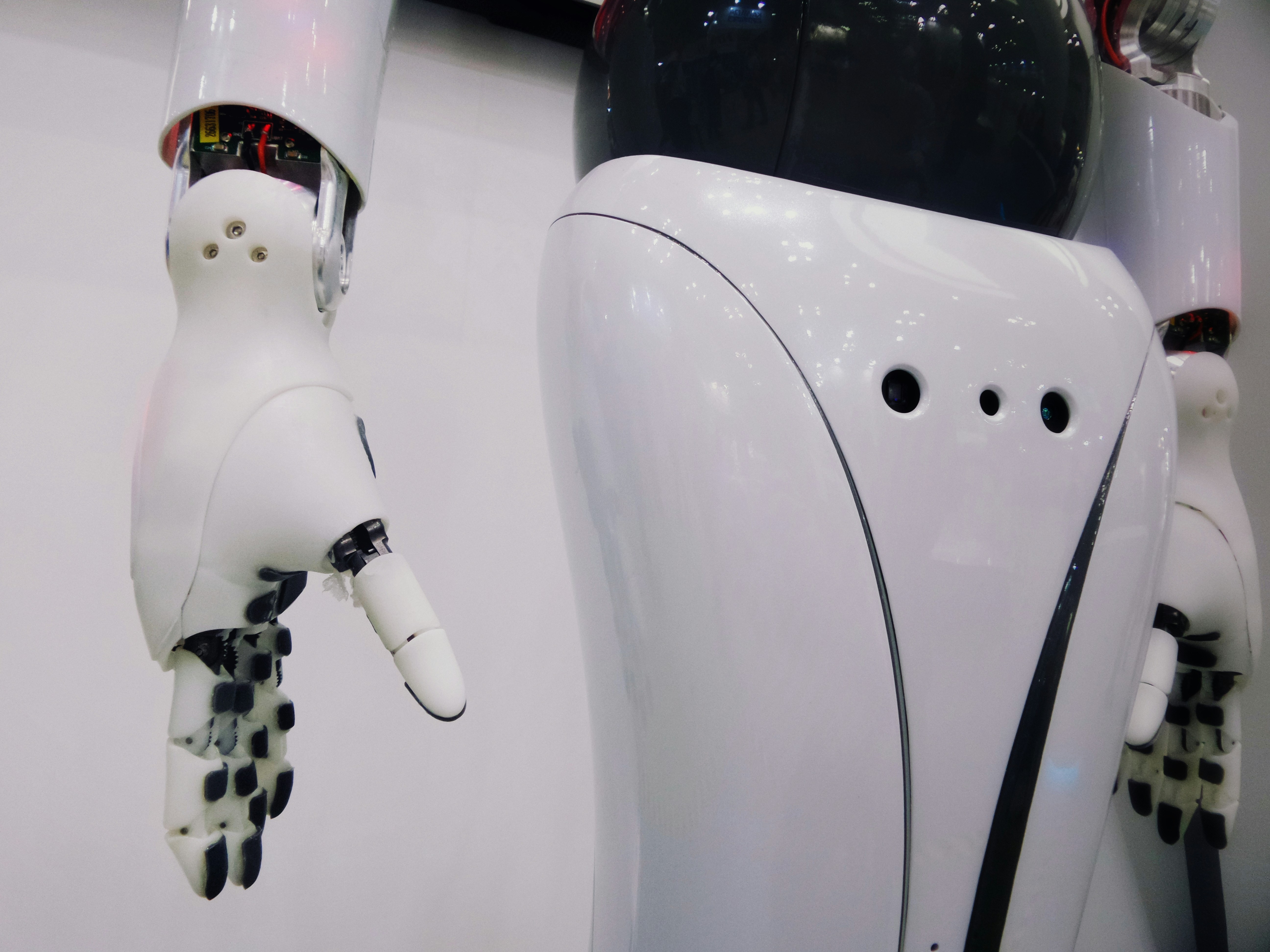
What a journey we’ve taken together! From the early days of clunky industrial machines to today’s emotionally perceptive AI robots, the landscape of human-robot interaction is evolving at a breathtaking pace. Here at Robotic Coding™, we’ve seen firsthand how these machines are becoming more than just tools—they’re becoming companions, assistants, and sometimes even confidants.
Key Takeaways:
- AI robots do not feel emotions as humans do, but they can recognize and simulate emotional responses through sophisticated multimodal sensing and machine learning. This simulation, often called “empathy*,” enables meaningful, supportive interactions without genuine emotional experience.
- Technologies like computer vision, natural language processing, audio analysis, and reinforcement learning work in concert to allow robots to interpret facial expressions, vocal tone, and verbal content, building a holistic picture of human emotions and needs.
- Social robots such as SoftBank Robotics’ Pepper, Groove X’s LOVOT, and Paro demonstrate the practical benefits of emotionally intelligent AI in healthcare, education, and companionship, especially for vulnerable populations like older adults.
- Ethical considerations—privacy, transparency, algorithmic bias, and the risk of deception—are paramount. Robots should be designed to augment human relationships, not replace or mislead.
- The future promises even deeper personalization, contextual awareness, and richer multimodal communication, but always with a human-centered, ethical approach.
Closing the Loop on Earlier Questions
Remember when we wondered if robots could truly feel? The answer is no, but their ability to simulate empathy effectively can still provide comfort and support. And while they can’t replace human therapists or caregivers, they serve as powerful allies, augmenting care and companionship.
The challenge—and opportunity—lies in designing robots that respect human dignity, foster trust, and enhance well-being without crossing ethical boundaries. As we continue to innovate, the human touch remains irreplaceable, but AI robots are becoming invaluable partners in our emotional and practical lives.
📚 Recommended Links for Deep Diving into AI and Emotional Robotics
If you’re ready to explore or even bring home some of these amazing robots, here are some direct shopping links and resources to get you started:
-
SoftBank Robotics’ Pepper Robot:
Amazon Pepper Robots Search | SoftBank Robotics Official Site -
Groove X LOVOT:
Amazon LOVOT Search | Groove X Official Website -
Paro Therapeutic Robot:
Paro Robots Official Website -
Books on AI and Emotional Robotics:
- Affective Computing by Rosalind Picard: Amazon Link
- Human-Robot Interaction in Social Robotics by Takayuki Kanda: Amazon Link
- Robot Ethics 2.0 edited by Patrick Lin et al.: Amazon Link
Dive in, learn more, and maybe even invite a robot companion into your life!
💡 Frequently Asked Questions About AI Robots and Emotional Interaction
How do AI robots recognize human emotions during interactions?
AI robots recognize human emotions by analyzing multiple data streams simultaneously—a process called multimodal sensing. They use computer vision to read facial expressions and body language, audio analysis to detect vocal tone, pitch, and prosody, and natural language processing (NLP) to interpret the sentiment behind spoken or written words. Machine learning models trained on vast datasets then classify these inputs into emotional states such as happiness, sadness, anger, or anxiety. This comprehensive approach allows robots to infer emotions with increasing accuracy, mimicking how humans naturally perceive feelings.
What technologies enable AI robots to understand human needs?
Understanding human needs involves a combination of technologies:
- Natural Language Processing (NLP) helps robots comprehend requests, preferences, and emotional content in speech or text.
- Computer Vision detects non-verbal cues like facial expressions and gestures.
- Audio Analysis interprets tone and vocal nuances.
- Reinforcement Learning enables robots to adapt responses based on feedback.
- Contextual Awareness Systems incorporate environmental data and user history to interpret needs within situational contexts. Together, these technologies allow robots to not only recognize emotions but also anticipate and respond to human needs effectively.
Can AI robots adapt their behavior based on human emotional cues?
✅ Yes! Through reinforcement learning and adaptive algorithms, AI robots can modify their behavior in response to detected emotional cues. For example, if a robot senses frustration or sadness, it might adopt a gentler tone, offer assistance, or change its interaction style. Over time, robots can personalize their responses based on individual user preferences and past interactions, creating a more natural and supportive experience.
How is robotic coding used to improve AI-human communication?
Robotic coding involves programming the software and algorithms that govern a robot’s perception, decision-making, and interaction capabilities. By writing code that integrates machine learning models, sensor data processing, and natural language understanding, developers enable robots to interpret human signals and respond appropriately. Continuous refinement of these codes through testing and user feedback improves communication fluidity and emotional responsiveness, making interactions feel more intuitive and human-like.
What role does natural language processing play in AI robot interactions?
NLP is crucial for enabling robots to understand and generate human language. It allows robots to:
- Convert speech to text.
- Analyze grammar, semantics, and sentiment.
- Detect emotional tone and intent.
- Generate contextually appropriate responses. NLP bridges the gap between human verbal communication and machine understanding, making conversations with robots meaningful and emotionally aware.
How do AI robots learn from human feedback to enhance emotional understanding?
AI robots use machine learning, particularly reinforcement learning, to learn from human feedback. Positive feedback (like smiles, continued engagement, or verbal affirmations) acts as a “reward,” encouraging the robot to repeat certain behaviors. Negative feedback (disengagement, frowns, or corrective commands) signals the robot to adjust its approach. This iterative learning process helps robots refine their emotional recognition and response strategies over time, improving personalization and effectiveness.
What are the challenges in programming AI robots to respond to human emotions?
Programming AI robots for emotional responsiveness involves several challenges:
- Ambiguity and Context: Human emotions are complex and context-dependent, making accurate interpretation difficult.
- Cultural and Individual Differences: Emotional expressions vary widely across cultures and individuals, requiring diverse training data.
- Data Bias: Biased datasets can lead to inaccurate or unfair emotional recognition.
- Ethical Concerns: Avoiding deception, ensuring privacy, and maintaining transparency are critical.
- Technical Limitations: Real-time processing of multimodal data requires significant computational resources and sophisticated algorithms.
- Uncanny Valley: Designing robots that are emotionally expressive but not unsettling is a delicate balance.
Addressing these challenges requires interdisciplinary collaboration and ongoing research.
Additional FAQs
Can AI robots replace human empathy in caregiving?
No. While AI robots can simulate empathetic behaviors and provide valuable support, genuine empathy involves visceral emotional resonance and conscious attention, which AI lacks. Robots are best used to augment human caregivers, not replace them.
How do privacy laws affect AI robots that collect emotional data?
Privacy laws like GDPR require that emotional data collected by robots be handled with strict consent, transparency, and security. Users must be informed about data collection, usage, and have control over their personal information. Developers must implement privacy-by-design principles.
Are there risks of emotional dependency on robots?
Yes, especially among vulnerable populations. Emotional attachment to robots can lead to dependency or social isolation if not balanced with human interaction. Ethical design and user education are essential to mitigate these risks.
🔗 Reference Links and Further Reading
- Human-Robot and AI Interaction (Oxford Journal): https://www.oxjournal.org/human-robot-and-ai-interaction/
- Human-Robot Interactions with Older Adults for Independent Living (PMC – NCBI): https://pmc.ncbi.nlm.nih.gov/
- In principle obstacles for empathic AI: why we can’t replace human empathy with artificial empathy (PMC – NCBI): https://pmc.ncbi.nlm.nih.gov/articles/PMC8149918/
- SoftBank Robotics Official Website (Pepper & NAO): https://www.softbankrobotics.com/emea/
- Groove X LOVOT Official Website: https://lovot.life/en/
- Paro Therapeutic Robot Official Website: https://www.parorobots.com/
These sources provide authoritative insights and further reading on the fascinating intersection of AI, robotics, and human emotional interaction.