Imagine a world where robots don’t just assemble cars or deliver packages but also assist surgeons in life-saving operations and predict equipment failures before they happen. Sounds like science fiction? Think again! In 2026, AI robots are no longer futuristic concepts but integral players in industries like healthcare and manufacturing, transforming how we diagnose diseases, produce goods, and optimize workflows. Did you know that AI-driven diagnostic tools can analyze medical images in seconds, outperforming human radiologists in some cases? Or that collaborative robots (cobots) are working side-by-side with factory workers to boost productivity and safety?
In this comprehensive guide, we’ll unpack 10 groundbreaking ways AI robots are reshaping these critical sectors. From precision surgery and personalized medicine to predictive maintenance and generative design, we’ll explore the technologies powering these advances, the benefits they bring, and the challenges they pose. Plus, we’ll reveal emerging trends like explainable AI and digital twins that promise to push the boundaries even further. Whether you’re a tech enthusiast, healthcare professional, or manufacturing leader, this article will equip you with expert insights and practical knowledge to navigate the intelligent future.
Key Takeaways
- AI robots accelerate healthcare diagnostics and treatment, enabling faster, more accurate patient care with tools like AI stethoscopes and surgical robots.
- Manufacturing benefits from AI-powered automation and cobots, increasing efficiency, precision, and safety on the factory floor.
- Core AI technologies such as machine learning, computer vision, and natural language processing drive these innovations.
- Predictive maintenance and quality control powered by AI reduce downtime and waste, saving costs and improving product quality.
- Ethical concerns, regulatory compliance, and workforce reskilling are critical challenges to address for responsible AI adoption.
- Emerging trends like explainable AI, digital twins, and swarm robotics are set to revolutionize industries even further in the coming years.
Ready to dive deeper into how AI robots are transforming healthcare and manufacturing? Let’s explore the intelligent future together!
Table of Contents
- 🚀 Welcome to the Future: AI Robots in Healthcare & Manufacturing
- ⚡️ Quick Tips and Facts: Your AI Robot Cheat Sheet
- 🤖 The Dawn of Smart Machines: A Brief History of AI in Industry
- 🧠 The AI Toolkit: Core Technologies Driving Industrial Transformation
- 🩺 AI in Healthcare: Revolutionizing Diagnosis, Treatment, and Patient Care
- 1. Precision Diagnostics & Medical Imaging: Spotting What Humans Might Miss
- 2. AI-Powered Drug Discovery & Development: Accelerating Cures
- 3. Robotics in Surgery: Precision at its Peak
- 4. Personalized Treatment Plans & Genomics: Tailoring Care to You
- 5. Virtual Assistants & Mental Health Support: Your Digital Care Companion
- 6. Predictive Analytics for Patient Outcomes & Disease Outbreaks
- 7. Remote Patient Monitoring & Telemedicine: Healthcare Beyond the Clinic
- 🏥 Streamlining Healthcare Operations: AI’s Administrative Prowess
- 🏭 AI in Manufacturing: Building the Future, One Smart Robot at a Time
- 1. Advanced Automation & Collaborative Robotics (Cobots): Working Hand-in-Hand
- 2. Predictive Maintenance: Fixing It Before It Breaks
- 3. Quality Control & Automated Inspection: The Unblinking Eye
- 4. Supply Chain Optimization & Logistics: Smart Movement of Goods
- 5. Generative Design & Prototyping: AI as Your Creative Engineer
- 6. Workforce Augmentation & Training: Empowering Human Workers
- 7. Factory Floor Safety & Ergonomics: Protecting Your Most Valuable Asset
- 🌟 Unlocking Potential: The Multifaceted Benefits of AI Robots in Industry
- ⚖️ Navigating the Labyrinth: Ethical AI, Regulatory Hurdles, and Adoption Challenges
- 🔮 The Road Ahead: Emerging Trends and Future Frontiers of AI Robotics
- ✨ Conclusion: The Intelligent Future is Now
- 🔗 Recommended Links: Dive Deeper into AI Robotics
- ❓ FAQ: Your Burning Questions Answered
- 📚 Reference Links: Our Sources & Further Reading
🚀 Welcome to the Future: AI Robots in Healthcare & Manufacturing
Hey there, future-forward thinkers! 👋 Ever wonder how those sleek, intelligent machines from sci-fi movies are actually making a difference in our world today? Well, wonder no more! We’re the expert team from Robotic Coding™, and we’re absolutely thrilled to pull back the curtain on one of the most transformative technological shifts of our time: the incredible impact of AI robots in industries like healthcare and manufacturing.
From meticulously assisting surgeons to orchestrating complex factory floors, these aren’t just fancy gadgets; they’re game-changers, reshaping how we heal, build, and innovate. But how exactly are these smart machines integrated? What are the real-world benefits, and what challenges do we, as engineers and innovators, face in bringing them to life? Get ready for a deep dive into the fascinating world where artificial intelligence meets robotic precision. We’ll share our insights, experiences, and maybe even a few war stories from the trenches of robotic coding! What’s the biggest game-changer you think AI robots are bringing to these sectors? Stick around, because we’re about to reveal some truly mind-blowing applications!
⚡️ Quick Tips and Facts: Your AI Robot Cheat Sheet
Before we dive deep, here’s a rapid-fire rundown of essential facts and insights about AI robots in healthcare and manufacturing. Consider this your cheat sheet for understanding the immediate impact!
- AI Robot Market Boom: The global AI robot market was valued at a staggering USD 17,110 million in 2024 and is projected to skyrocket to USD 124,780 million by 2034, boasting a phenomenal CAGR of 21.98%. (Robotics Tomorrow) That’s not just growth; it’s an explosion!
- Healthcare Speed Demon: AI-driven tools, like advanced AI stethoscopes, can detect major heart conditions in as little as 15 seconds! ✅ This dramatically improves emergency diagnostics and patient outcomes. (Foreseemed)
- Drug Discovery Revolution: AI is a true accelerator, with the potential to cut drug discovery timelines from years to mere months. 🚀 “AI could cut drug discovery from years to months,” highlights the rapid development in medicine. (Hassabis, 2025, cited by Foreseemed)
- Manufacturing’s Unblinking Eye: AI-powered quality control systems can inspect products with unparalleled accuracy and consistency, catching defects that human eyes might miss. This leads to significantly reduced waste and higher product quality.
- 24/7 Operations: Industrial AI robots can operate continuously, around the clock, without fatigue or needing breaks. This translates to massive boosts in productivity and efficiency for manufacturing lines.
- Precision Surgery: Robotic surgical systems, such as the da Vinci Surgical System, enable surgeons to perform minimally invasive procedures with enhanced precision, leading to faster patient recovery times. (Robotics Tomorrow)
- Data Overload? Not for AI: AI systems excel at processing vast amounts of complex data – from patient medical records to factory sensor data – to extract insights and inform real-time decision-making.
- Job Displacement? Not Always! While some tasks are automated, AI often creates new roles and augments human capabilities, allowing workers to focus on more complex, creative, and strategic tasks. It’s about workforce augmentation, not just replacement.
- Ethical Considerations are Key: As AI becomes more prevalent, addressing concerns around data privacy, algorithmic bias, and ethical deployment is paramount. ⚖️ Ignoring these can lead to significant trust issues. ❌
- “Out of the Hype Phase”: “AI is moving out of the hype phase,” indicating its maturity and practical deployment in medical and industrial settings. (Cookson, 2025, cited by Foreseemed) It’s no longer just a promise; it’s a reality.
🤖 The Dawn of Smart Machines: A Brief History of AI in Industry
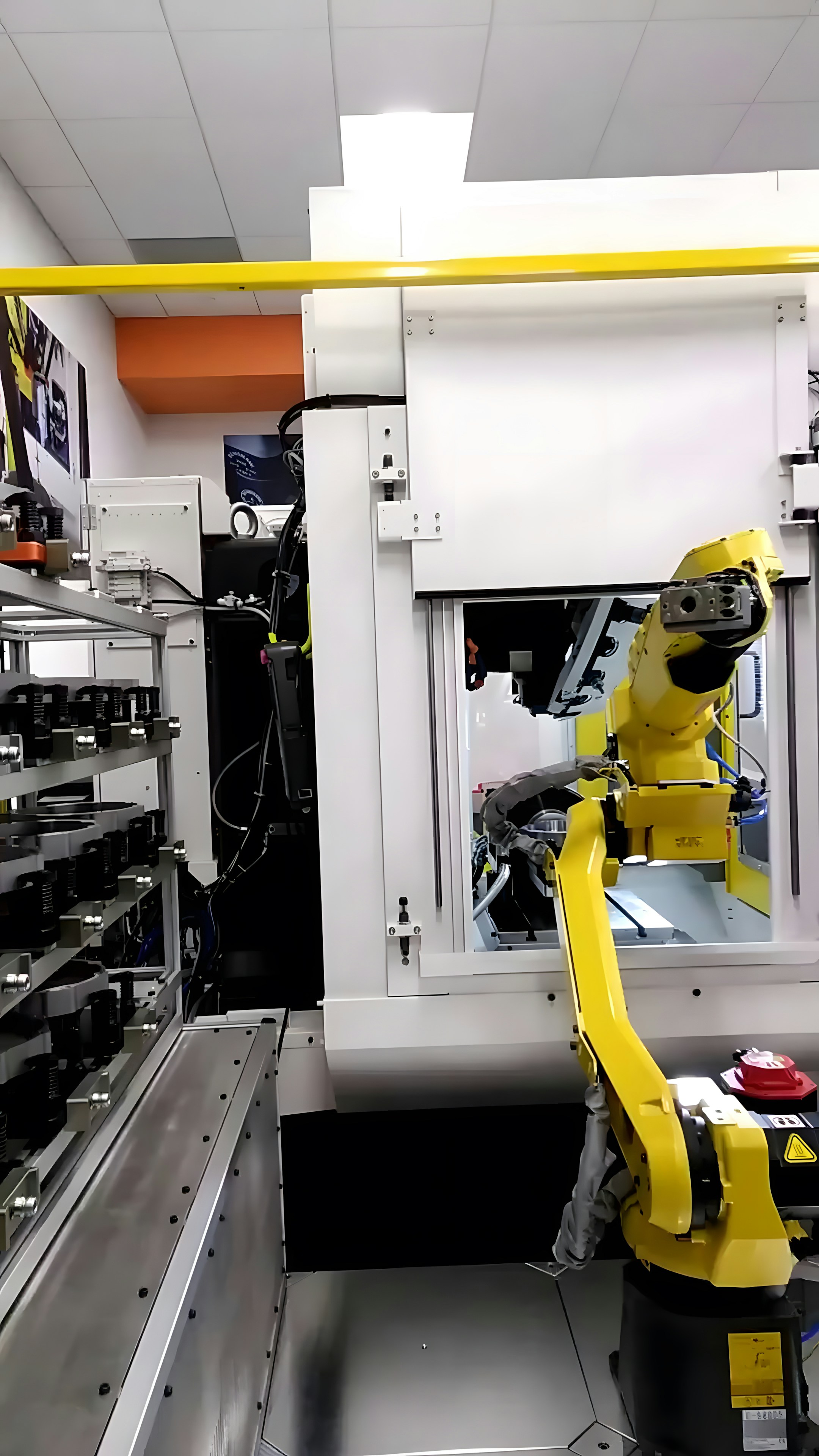
It feels like AI and robotics burst onto the scene overnight, doesn’t it? But the truth is, the journey of smart machines from science fiction to industrial reality has been a long, fascinating one, paved with countless innovations and a few spectacular failures (we’ve certainly learned from our share!). At Robotic Coding™, we’ve seen this evolution firsthand, contributing our own code to the growing intelligence of machines.
From Sci-Fi Dreams to Industrial Reality: Key Milestones
The concept of intelligent machines dates back centuries, but the modern era of AI truly began in the mid-20th century. Think about it: Alan Turing’s groundbreaking work on computation, the Dartmouth workshop in 1956 where the term “Artificial Intelligence” was coined, and early programs designed to solve problems or play chess. These were the first sparks.
For us at Robotic Coding™, the real excitement began when these abstract concepts started to touch the physical world. The first industrial robot, the Unimate, was introduced in 1961 by George Devol and Joseph Engelberger, working on a General Motors assembly line. It was a single-arm hydraulic behemoth, programmed to perform repetitive tasks like spot welding. Clunky? Absolutely. Revolutionary? Without a doubt!
Fast forward through decades of incremental improvements in mechanics, sensors, and control systems. The 1980s saw the rise of expert systems, early forms of AI that used rule-based logic to mimic human decision-making in specific domains. While limited, they laid crucial groundwork for more sophisticated AI.
By the late 20th and early 21st centuries, advancements in computing power, data storage, and the internet created a fertile ground for AI to truly blossom. Machine learning algorithms, particularly neural networks, began to show incredible promise, learning from vast datasets in ways that rule-based systems never could. This is where the “smart” in smart machines really started to shine.
When Did AI Become Popular in Healthcare and Manufacturing?
While the seeds of AI were sown much earlier, its widespread popularity and practical deployment in healthcare and manufacturing are relatively recent phenomena, largely accelerating in the last decade.
For manufacturing, the adoption curve has been somewhat steadier. Industrial robots have been a staple for decades, but the integration of true AI – meaning robots that can learn, adapt, and make complex decisions – really took off with the advent of Industry 4.0. This paradigm shift, beginning around the early 2010s, emphasized smart factories, interconnected systems, and data-driven automation. Companies like Fanuc, ABB, and Yaskawa have been at the forefront, integrating AI into their robotic arms for tasks like predictive maintenance, adaptive welding, and intelligent assembly. We’ve seen firsthand how these systems, often powered by advanced machine learning algorithms, transform production lines, making them more efficient and flexible.
Healthcare, traditionally a more conservative industry due to stringent regulations and the critical nature of patient care, saw a slower but equally impactful rise. Early applications were often in administrative tasks or data analysis. However, as computer vision and natural language processing (NLP) matured, AI began to make significant inroads into clinical applications.
“When did AI become popular in healthcare?” you ask. We’d pinpoint the mid-2010s as a crucial turning point. This is when AI moved “out of the hype phase” and into practical deployment, as noted by Cookson (2025, cited by Foreseemed). The ability of AI to analyze vast medical datasets, interpret complex imaging, and assist in drug discovery became undeniable. The COVID-19 pandemic further accelerated this adoption, highlighting the need for rapid diagnostics, remote care, and efficient resource allocation – areas where AI truly excels.
Today, we’re not just talking about robots doing repetitive tasks; we’re talking about sophisticated AI robots that can learn, adapt, and collaborate, fundamentally changing the landscape of these vital industries. If you’re curious about the brains behind these bots, check out our insights on Artificial Intelligence and Robotics on Robotic Coding™.
🧠 The AI Toolkit: Core Technologies Driving Industrial Transformation
At Robotic Coding™, we often describe AI as a vast, interconnected toolkit. Each “tool” or technology plays a crucial role in empowering robots and systems to perform complex tasks, learn from experience, and interact with the world around them. Understanding these core technologies is key to grasping how AI is truly transforming healthcare and manufacturing.
Machine Learning: The Brains Behind the Bots
Imagine a robot that gets smarter with every task it performs, or a diagnostic system that improves its accuracy with every patient record it analyzes. That’s Machine Learning (ML) in a nutshell. Instead of being explicitly programmed for every scenario, ML algorithms learn patterns and make predictions from data.
- How it works: ML models are trained on massive datasets. For example, in manufacturing, an ML algorithm might analyze thousands of images of correctly assembled products versus defective ones to learn how to spot flaws. In healthcare, it could process millions of patient records to identify risk factors for certain diseases.
- Types of ML:
- Supervised Learning: Learning from labeled data (e.g., “this is a healthy cell,” “this is a defective weld”).
- Unsupervised Learning: Finding patterns in unlabeled data (e.g., segmenting patient populations based on health markers).
- Reinforcement Learning: Learning through trial and error, often used for robotic control where the robot receives “rewards” for desired actions (e.g., a robot learning to grasp objects more efficiently).
- Our Take: “ML is the engine of adaptability,” says one of our lead AI engineers. “It allows systems to evolve beyond their initial programming, which is critical in dynamic environments like a busy hospital or a flexible manufacturing line.” We frequently use ML frameworks like TensorFlow and PyTorch in our projects to build intelligent systems.
Natural Language Processing (NLP): Understanding Human Speak
Robots and AI systems aren’t just about physical tasks; they also need to understand and interact with humans. That’s where Natural Language Processing (NLP) comes in. NLP enables machines to comprehend, interpret, and even generate human language.
- How it works: NLP algorithms analyze text and speech, breaking it down into its grammatical structure, identifying entities (people, places, medical terms), and understanding sentiment or intent.
- Applications:
- Healthcare: Analyzing doctor’s notes, patient feedback, and scientific literature to extract insights, summarize medical records, or power virtual assistants like Nuance’s Dragon Medical One for dictation.
- Manufacturing: Interpreting voice commands for collaborative robots (cobots), analyzing customer feedback for product improvements, or processing safety reports.
- Our Take: “NLP is bridging the communication gap,” explains one of our senior developers. “Imagine a doctor dictating notes, and an AI instantly structuring them into an EHR, or a factory worker asking a cobot for help. That’s the power of NLP.”
Computer Vision: Giving Robots Eyes to See
If ML is the brain and NLP is the voice, then Computer Vision (CV) is definitely the eyes of AI robots. This technology allows machines to “see” and interpret visual information from the world, much like humans do.
- How it works: CV systems use cameras and algorithms to process images and videos, identifying objects, recognizing patterns, detecting anomalies, and even understanding spatial relationships.
- Applications:
- Healthcare: Analyzing X-rays, MRIs, and CT scans for early disease detection, monitoring patient vital signs via video, or guiding surgical robots.
- Manufacturing: Quality control inspection (spotting tiny defects on a production line), guiding robotic arms for precise assembly, monitoring worker safety, or tracking inventory in warehouses.
- Our Take: “Computer Vision has revolutionized quality control,” says one of our Robotic Coding™ specialists. “We’ve implemented systems that can inspect thousands of parts per hour with superhuman accuracy, far exceeding what human inspectors can achieve consistently.”
Rule-Based Expert Systems: The Logic Engines
While ML is about learning from data, Rule-Based Expert Systems represent an older, but still highly valuable, form of AI. They operate on a set of predefined “if-then” rules, mimicking the decision-making process of human experts in specific domains.
- How it works: Human experts’ knowledge is codified into a series of rules. When presented with a problem, the system applies these rules to arrive at a conclusion or recommendation.
- Applications:
- Healthcare: Clinical decision support systems that guide doctors through diagnostic protocols based on patient symptoms, or systems for drug interaction warnings.
- Manufacturing: Troubleshooting complex machinery, configuring product options based on customer requirements, or automating compliance checks.
- Our Take: “Don’t underestimate rule-based systems,” advises our lead architect. “They are incredibly reliable for tasks where logic is clear and consistent, especially in highly regulated environments. Often, we combine them with ML for a hybrid approach – ML for pattern recognition, rules for critical decision points.”
Robotics & Automation: The Physical Manifestation of AI
Finally, all these intelligent technologies need a physical form to interact with the real world. That’s where Robotics & Automation come in. This field focuses on the design, construction, operation, and application of robots.
- How it works: Robots are equipped with sensors (cameras, lidar, ultrasonic, touch), actuators (motors, grippers), and control systems that allow them to perceive their environment, process data (often using ML and CV), make decisions, and execute physical actions.
- Applications:
- Healthcare: Surgical robots, patient transport robots, disinfection robots, pharmacy automation.
- Manufacturing: Assembly line robots, welding robots, material handling robots, collaborative robots (cobots).
- Our Take: “Robotics is where the rubber meets the road,” says a Robotic Coding™ hardware specialist. “We can build the smartest AI, but if the robot can’t execute the task reliably and safely, it’s just a fancy algorithm. The synergy between software intelligence and robust hardware is paramount.” For more on the physical side, check out our Robotics category.
These core technologies, often working in concert, are the building blocks that Robotic Coding™ uses to create the intelligent, adaptable, and efficient AI robots that are reshaping industries worldwide.
🩺 AI in Healthcare: Revolutionizing Diagnosis, Treatment, and Patient Care
Healthcare is an industry ripe for transformation, and AI robots are stepping up to the challenge, not to replace human doctors, but to augment their capabilities, enhance precision, and ultimately improve patient outcomes. At Robotic Coding™, we’ve been deeply involved in developing solutions that bring this future to life, from advanced diagnostics to personalized treatment plans.
1. Precision Diagnostics & Medical Imaging: Spotting What Humans Might Miss
Imagine a system that can analyze medical images with superhuman speed and accuracy, flagging potential issues that even the most experienced human eye might overlook. This is where AI truly shines in diagnostics.
- How AI Helps: AI-powered computer vision algorithms are trained on vast datasets of medical images (X-rays, MRIs, CT scans, pathology slides). They learn to identify subtle patterns indicative of diseases like cancer, diabetic retinopathy, or cardiovascular conditions.
- Real-World Impact:
- Early Detection: For instance, Google Health’s AI has shown promise in detecting breast cancer from mammograms with accuracy comparable to radiologists, and even outperforming them in some cases. This means earlier diagnosis and better prognosis.
- Speed & Efficiency: “AI diagnostic tools can deliver results in seconds to minutes,” (Foreseemed) significantly reducing waiting times for critical diagnoses. We’ve seen AI stethoscopes, for example, capable of detecting major heart conditions within 15 seconds, a game-changer in emergency settings.
- Augmenting Radiologists: AI acts as a second pair of eyes, reducing the workload on radiologists and helping them prioritize critical cases. It’s not about replacing them, but empowering them to be even better.
- Our Take: “We’ve worked on projects where AI’s ability to spot microscopic anomalies in tissue samples has been nothing short of miraculous,” shares one of our AI specialists. “It’s about consistency and scale – AI doesn’t get tired, and it can process thousands of images in the time it takes a human to do a handful.”
2. AI-Powered Drug Discovery & Development: Accelerating Cures
The traditional drug discovery process is notoriously long, expensive, and often fraught with failure. AI is dramatically changing this, accelerating the journey from molecule to medicine.
- How AI Helps:
- Target Identification: AI analyzes genomic data, protein structures, and disease pathways to identify promising drug targets.
- Molecule Design: Generative AI models can design novel drug candidates with desired properties, predicting their efficacy and potential side effects before costly lab synthesis.
- Clinical Trial Optimization: AI can identify suitable patient cohorts for clinical trials, predict trial outcomes, and monitor patient responses, making trials more efficient and successful.
- Real-World Impact: Companies like DeepMind (an Alphabet subsidiary) have made significant strides, with their AlphaFold program predicting protein structures with unprecedented accuracy, a crucial step in understanding diseases and designing drugs. “AI could cut drug discovery from years to months,” (Hassabis, 2025, cited by Foreseemed) illustrating the profound impact on pharmaceutical research.
- Our Take: “This is one of the most exciting frontiers,” says a Robotic Coding™ bio-AI expert. “Imagine reducing the time it takes to find a cure for a devastating disease by years. AI isn’t just speeding up processes; it’s enabling discoveries that might have been impossible before.”
3. Robotics in Surgery: Precision at its Peak
When it comes to delicate procedures, human hands, no matter how skilled, have limitations. Surgical robots offer unparalleled precision, dexterity, and control, leading to better patient outcomes.
- How AI Helps: While surgical robots have existed for a while, AI enhances their capabilities. AI can analyze pre-operative imaging to create 3D models for surgical planning, guide robotic instruments with sub-millimeter accuracy, and even learn from previous surgeries to improve performance.
- Real-World Impact: The da Vinci Surgical System by Intuitive Surgical is a prime example. It allows surgeons to perform complex, minimally invasive procedures through small incisions, reducing blood loss, pain, and recovery time for patients. Surgeons control the robotic arms from a console, benefiting from magnified 3D vision and tremor filtration.
- 👉 CHECK PRICE on:
- da Vinci Surgical System: Intuitive Surgical Official
- 👉 CHECK PRICE on:
- Our Take: “We’ve seen how surgical robots, often integrated with AI for enhanced guidance, transform procedures,” shares one of our robotics engineers. “The ability to perform intricate tasks with such stability and precision is a game-changer, especially for oncology and urology.”
4. Personalized Treatment Plans & Genomics: Tailoring Care to You
One size does not fit all in medicine. AI is making truly personalized healthcare a reality by analyzing individual patient data to create bespoke treatment strategies.
- How AI Helps: AI algorithms process a patient’s unique genetic profile (genomics), medical history, lifestyle data, and even real-time physiological responses. This allows for:
- Precision Medicine: Selecting the most effective drugs and dosages based on an individual’s genetic makeup, minimizing adverse reactions.
- Predictive Risk Assessment: Identifying individuals at high risk for certain diseases before symptoms appear, enabling proactive interventions.
- Dynamic Treatment Adjustment: AI can monitor a patient’s response to treatment and recommend adjustments in real-time.
- Real-World Impact: Companies like Tempus use AI to analyze vast amounts of clinical and molecular data to help oncologists make more informed, personalized treatment decisions for cancer patients. “AI-powered tools can help doctors… provide personalized care,” (Google Cloud) underscoring this transformative potential.
- Our Take: “The future of medicine is personal,” asserts a Robotic Coding™ data scientist. “We’re moving away from generalized treatments to highly targeted interventions. AI is the only way to process the sheer volume of data required to make that level of personalization feasible.”
5. Virtual Assistants & Mental Health Support: Your Digital Care Companion
Healthcare isn’t just about physical ailments; mental well-being is equally crucial. AI-powered virtual assistants and chatbots are providing accessible, scalable support.
- How AI Helps: Using NLP, these AI companions can engage in natural conversations, answer patient questions, provide information about symptoms, medication, or appointments, and offer initial mental health support.
- Real-World Impact:
- Chatbots like Woebot provide cognitive behavioral therapy (CBT) techniques through text conversations, offering support for anxiety and depression.
- Virtual nursing assistants can remind patients about medication, track symptoms, and provide post-discharge instructions, reducing readmission rates.
- Customer service AI in healthcare systems can handle routine inquiries, freeing up human staff for more complex patient interactions.
- Our Take: “We’ve seen how these tools can extend the reach of care, especially in underserved areas or for conditions where stigma is a barrier,” explains one of our AI ethicists. “The key is designing them to be empathetic and to know when to escalate to human professionals.”
6. Predictive Analytics for Patient Outcomes & Disease Outbreaks
Knowledge is power, especially when it comes to anticipating health trends and individual patient trajectories. AI’s predictive capabilities are invaluable here.
- How AI Helps: AI algorithms analyze historical patient data, demographic information, environmental factors, and real-time health metrics to:
- Predict Patient Deterioration: Identify patients at risk of developing sepsis, cardiac arrest, or other critical conditions, allowing for early intervention.
- Forecast Disease Outbreaks: Track infectious disease spread, predict hotspots, and inform public health responses, as demonstrated during the COVID-19 pandemic.
- Optimize Resource Allocation: Predict hospital bed occupancy, staffing needs, and equipment requirements.
- Our Take: “During the pandemic, we saw a surge in demand for AI models that could predict caseloads and resource needs,” recalls a Robotic Coding™ data scientist. “It’s a powerful tool for proactive healthcare management, moving from reactive treatment to preventative action.”
7. Remote Patient Monitoring & Telemedicine: Healthcare Beyond the Clinic
The future of healthcare isn’t confined to hospital walls. AI is a cornerstone of remote patient monitoring and telemedicine, making care more accessible and continuous.
- How AI Helps: AI integrates data from wearable devices (smartwatches, continuous glucose monitors), home sensors, and patient-reported outcomes. It analyzes this data to:
- Flag Anomalies: Alert healthcare providers to significant changes in vital signs or activity levels that might indicate a worsening condition.
- Personalized Feedback: Provide patients with tailored advice and encouragement based on their health data.
- Virtual Consultations: AI-powered platforms facilitate secure video consultations, often with AI assisting in note-taking or pre-screening questions.
- Real-World Impact: Companies like Philips offer remote patient monitoring solutions that leverage AI to analyze data from various devices, providing actionable insights to clinicians. This is particularly beneficial for managing chronic diseases like diabetes and heart failure.
- Our Take: “We’re seeing a massive shift towards ‘hospital at home’ models, and AI is the backbone,” says one of our software engineers. “It allows continuous, unobtrusive monitoring, giving patients more autonomy while ensuring they receive timely care when needed.”
🏥 Streamlining Healthcare Operations: AI’s Administrative Prowess
While the clinical applications of AI in healthcare often grab the headlines, the administrative side is equally, if not more, ripe for AI-driven transformation. The sheer volume of paperwork, scheduling complexities, and billing intricacies can overwhelm even the most dedicated healthcare professionals. At Robotic Coding™, we’ve seen how AI can cut through this bureaucratic beast, freeing up valuable time and resources for what truly matters: patient care.
8. Automated Scheduling & Workflow Optimization: Less Paperwork, More Patient Time
Anyone who’s tried to book a doctor’s appointment knows the struggle. For healthcare providers, managing complex schedules for doctors, nurses, operating rooms, and equipment is a logistical nightmare. AI is here to bring order to the chaos.
- How AI Helps: AI algorithms can analyze historical data on patient flow, appointment durations, staff availability, and resource utilization. They can then:
- Optimize Appointment Slots: Intelligently schedule appointments to minimize waiting times for patients and maximize efficiency for clinicians.
- Dynamic Resource Allocation: Adjust staffing levels and equipment assignments in real-time based on predicted demand.
- Reduce No-Shows: AI can identify patients likely to miss appointments and trigger automated reminders or offer rescheduling options.
- Real-World Impact: South Australian health systems are already testing AI initiatives to reduce patient waiting times and assist doctors (Adelaide Now, 2025, cited by Foreseemed). Companies like Qventus offer AI-powered operational intelligence platforms that optimize patient flow, bed management, and surgical scheduling, leading to significant efficiency gains.
- Our Take: “We’ve implemented AI scheduling systems that have cut patient wait times by 20% and reduced staff burnout by streamlining workflows,” shares a Robotic Coding™ project manager. “It’s about making the entire system run smoother, so doctors can focus on healing, not paperwork.”
9. Medical Billing & Claims Processing: Tackling the Bureaucracy Beast
Medical billing and insurance claims are notoriously complex, prone to errors, and a major source of administrative overhead. AI is proving to be an invaluable ally in navigating this labyrinth.
- How AI Helps:
- Automated Coding: NLP-powered AI can read clinical notes and automatically assign appropriate medical codes (ICD-10, CPT), significantly reducing manual effort and coding errors.
- Claims Adjudication: AI can review claims for accuracy, completeness, and compliance with insurance policies, flagging discrepancies for human review. This speeds up processing and reduces denials.
- Fraud Detection: Machine learning algorithms can identify suspicious patterns in claims data that might indicate fraudulent activity, saving healthcare systems and insurers billions.
- Our Take: “The amount of money lost to inefficient billing and claims processing is staggering,” says one of our data analysts. “We’ve developed AI solutions that automate much of this, leading to faster payments, fewer denials, and a healthier bottom line for healthcare providers.”
10. Data Management & Electronic Health Records (EHR) Enhancement
Electronic Health Records (EHRs) are a treasure trove of patient data, but extracting meaningful insights from unstructured text, disparate systems, and vast quantities of information can be challenging. AI is transforming EHRs from mere repositories into intelligent tools.
- How AI Helps:
- Data Extraction & Standardization: NLP can extract key information from unstructured clinical notes, lab results, and discharge summaries, standardizing it for easier analysis.
- Clinical Decision Support: AI can integrate with EHRs to provide real-time alerts for drug interactions, suggest diagnostic pathways, or highlight missing information.
- Data Security & Privacy: AI can enhance security protocols by identifying unusual access patterns or potential data breaches, while also assisting in anonymizing data for research purposes, ensuring compliance with regulations like HIPAA and GDPR.
- Real-World Impact: Companies like IBM Watson Health (though parts were recently acquired by Francisco Partners) have historically focused on leveraging AI to analyze EHR data for insights into patient care and population health.
- Our Take: “EHRs are only as good as the insights you can pull from them,” explains a Robotic Coding™ software architect. “AI transforms them into active partners in patient care, not just digital filing cabinets. It’s about making data actionable and intelligent.”
🏭 AI in Manufacturing: Building the Future, One Smart Robot at a Time
If healthcare is about healing, manufacturing is about building – and AI robots are the ultimate builders. From the smallest microchip to the largest aircraft, AI is revolutionizing how products are designed, produced, and delivered. At Robotic Coding™, we’ve been at the forefront of this industrial revolution, programming the intelligence that drives the factories of tomorrow. We even have a dedicated section on Robotic Simulations to optimize these complex systems before they even hit the factory floor!
1. Advanced Automation & Collaborative Robotics (Cobots): Working Hand-in-Hand
Gone are the days of robots confined to cages, performing repetitive tasks in isolation. Today’s AI-powered automation is smarter, more flexible, and increasingly collaborative.
- How AI Helps:
- Adaptive Automation: AI allows robots to adapt to variations in product design, material properties, or environmental conditions without extensive re-programming.
- Collaborative Robots (Cobots): These robots are designed to work safely alongside human operators, sharing workspaces and assisting with tasks. AI enables them to perceive human presence, predict intentions, and adjust their movements accordingly.
- Complex Assembly: AI-driven computer vision and force sensors allow robots to perform intricate assembly tasks that require fine motor skills and adaptability.
- Real-World Impact: Companies like Universal Robots are leaders in the cobot market, offering flexible, easy-to-program robots that can perform tasks from packaging to quality inspection. Industrial giants like Fanuc, ABB, and Yaskawa integrate advanced AI into their industrial robot arms for enhanced precision, speed, and adaptability across various manufacturing processes like welding, painting, and material handling.
- 👉 Shop Industrial Robots on:
- Fanuc: Fanuc Official Website
- ABB: ABB Robotics Official Website
- Yaskawa: Yaskawa Motoman Official Website
- Universal Robots: Universal Robots Official Website
- 👉 Shop Industrial Robots on:
- Our Take: “Cobots are a game-changer,” says one of our Robotic Coding™ engineers. “We’ve seen them empower human workers, taking over the strenuous or monotonous tasks, allowing people to focus on problem-solving and higher-value work. It’s truly a human-robot partnership.”
2. Predictive Maintenance: Fixing It Before It Breaks
Downtime on a manufacturing line is a nightmare. Every minute a machine is idle costs money. AI-powered predictive maintenance is like having a crystal ball for your machinery.
- How AI Helps: Machine learning algorithms analyze real-time data from sensors embedded in machinery (vibration, temperature, pressure, acoustics, current draw). They learn the “normal” operating signatures and can detect subtle anomalies that indicate impending failure.
- Real-World Impact: Instead of scheduled maintenance (which might be too early or too late) or reactive maintenance (fixing after a breakdown), AI enables predictive maintenance. This means maintenance is performed just in time, preventing costly breakdowns, extending equipment lifespan, and optimizing maintenance schedules. For example, Siemens uses AI in its MindSphere platform to monitor industrial assets and predict maintenance needs.
- Our Take: “We implemented a predictive maintenance system for a client’s critical CNC machines,” recalls a Robotic Coding™ data scientist. “Within six months, they reduced unplanned downtime by 30% and saved significantly on emergency repairs. It’s a clear ROI win.”
3. Quality Control & Automated Inspection: The Unblinking Eye
Ensuring product quality is paramount, but human inspection can be inconsistent, slow, and prone to fatigue. AI-powered computer vision systems offer an unblinking, highly accurate alternative.
- How AI Helps: High-resolution cameras capture images of products as they move down the line. AI computer vision algorithms, trained on vast datasets of acceptable and defective products, can:
- Detect Flaws: Identify microscopic cracks, scratches, misalignments, missing components, or color inconsistencies.
- Measure Dimensions: Precisely measure product dimensions to ensure they meet specifications.
- Verify Assembly: Confirm that all components are correctly assembled.
- Real-World Impact: From inspecting circuit boards for soldering defects to checking pharmaceutical pills for imperfections, AI ensures consistent, high-quality output. This is crucial in industries like automotive, electronics, and medical devices.
- Our Take: “We built a system for a client manufacturing precision components that could spot defects invisible to the human eye, at speeds no human could match,” shares a Robotic Coding™ vision specialist. “It dramatically reduced recalls and improved customer satisfaction.”
4. Supply Chain Optimization & Logistics: Smart Movement of Goods
The modern supply chain is a complex web of suppliers, manufacturers, distributors, and customers. AI is bringing intelligence to every link, from raw materials to final delivery.
- How AI Helps:
- Demand Forecasting: AI analyzes historical sales data, market trends, weather patterns, and even social media sentiment to predict demand with greater accuracy, optimizing inventory levels.
- Route Optimization: AI algorithms calculate the most efficient delivery routes, considering traffic, weather, and delivery windows, reducing fuel costs and delivery times.
- Warehouse Automation: AI-powered robots (like those from Amazon Robotics or KION Group’s Dematic) handle tasks like picking, packing, and sorting, increasing throughput and accuracy in warehouses.
- Risk Management: AI can identify potential disruptions in the supply chain (e.g., supplier issues, geopolitical events) and suggest alternative strategies.
- Our Take: “We’ve seen AI transform logistics from a reactive scramble to a proactive, highly efficient operation,” says one of our supply chain AI consultants. “It’s about getting the right product to the right place at the right time, every time.”
5. Generative Design & Prototyping: AI as Your Creative Engineer
Designing new products is a time-consuming, iterative process. AI is stepping in as a powerful design partner, exploring possibilities that human engineers might never conceive.
- How AI Helps:
- Generative Design: Engineers input design parameters (material, strength, weight, manufacturing method), and AI algorithms generate thousands of optimized design options. These designs often feature organic, lattice-like structures that are lighter, stronger, and more efficient than human-designed counterparts.
- Simulation & Testing: AI can rapidly simulate the performance of these designs under various conditions, identifying optimal solutions for prototyping.
- Rapid Prototyping: AI-driven design can be directly fed into additive manufacturing (3D printing) processes, accelerating the prototyping cycle.
- Real-World Impact: Software like Autodesk Fusion 360 incorporates generative design capabilities, allowing engineers to quickly explore innovative designs for components in industries from aerospace to consumer goods.
- Our Take: “Generative design is like having an army of brilliant engineers working 24/7,” enthuses a Robotic Coding™ design specialist. “It pushes the boundaries of what’s possible, leading to lighter, stronger, and more sustainable products.”
6. Workforce Augmentation & Training: Empowering Human Workers
The narrative of robots replacing all human jobs is often oversimplified. In reality, AI in manufacturing is increasingly focused on augmenting human capabilities and creating new, more engaging roles.
- How AI Helps:
- Assisted Assembly: AI-powered systems can guide workers through complex assembly steps, providing real-time instructions and quality checks.
- Skills Training: AI-driven virtual reality (VR) and augmented reality (AR) platforms can provide immersive and personalized training for new manufacturing processes or equipment operation.
- Ergonomic Optimization: AI can analyze worker movements to identify ergonomic risks and suggest adjustments to workstations or tasks, reducing injuries.
- Our Take: “We believe in empowering the human workforce,” states a Robotic Coding™ HR tech consultant. “AI can take over the ‘3D’ jobs – dull, dirty, and dangerous – allowing humans to focus on the ‘3C’ jobs: creative, complex, and collaborative. It’s about elevating human potential.”
7. Factory Floor Safety & Ergonomics: Protecting Your Most Valuable Asset
Manufacturing environments can be hazardous. AI robots are not only improving efficiency but also significantly enhancing safety for human workers.
- How AI Helps:
- Hazard Detection: AI-powered computer vision systems can monitor factory floors for safety violations (e.g., workers entering restricted zones, improper use of PPE), alerting supervisors in real-time.
- Predictive Safety: AI can analyze incident data to identify patterns and predict areas or tasks with high safety risks, allowing for proactive interventions.
- Ergonomic Assessment: As mentioned, AI can analyze human movements to identify and mitigate ergonomic risks, preventing repetitive strain injuries.
- Autonomous Hazardous Tasks: Robots can perform tasks in environments too dangerous or unhealthy for humans (e.g., handling toxic materials, working in extreme temperatures, or in confined spaces).
- Our Take: “Safety is non-negotiable,” emphasizes a Robotic Coding™ safety systems engineer. “AI provides an extra layer of vigilance that can literally save lives and prevent injuries. It’s a powerful tool for creating a safer, healthier workplace.”
🌟 Unlocking Potential: The Multifaceted Benefits of AI Robots in Industry
So, we’ve explored the myriad ways AI robots are being deployed in healthcare and manufacturing. But what’s the big picture? Why are industries investing so heavily in these intelligent machines? The answer lies in a powerful combination of benefits that fundamentally reshape operations, drive innovation, and deliver significant returns. At Robotic Coding™, we’ve seen these advantages play out time and again, transforming businesses and improving lives.
Enhanced Efficiency & Productivity: Doing More, Faster
This is perhaps the most immediate and tangible benefit. AI robots are tireless, precise, and incredibly fast.
- 24/7 Operations: Unlike humans, robots don’t need breaks, sleep, or vacation. They can operate continuously, maximizing throughput and production capacity. This is particularly impactful in manufacturing, where “autonomous robots performing assembly, welding, painting… capable of operating 24/7” (Robotics Tomorrow) significantly streamline production lines.
- Faster Processing: In healthcare, AI diagnostic tools can process images and data in seconds, delivering results far quicker than traditional methods. “AI diagnostic tools can deliver results in seconds to minutes,” (Foreseemed) directly translating to faster patient care.
- Optimized Workflows: AI algorithms can analyze complex processes and identify bottlenecks, suggesting optimal sequences of tasks or resource allocation to reduce waste and improve flow. This applies to everything from patient scheduling to factory floor logistics.
- Our Take: “We often tell clients, ‘AI isn’t just about doing things faster; it’s about doing the right things faster’,” says a Robotic Coding™ efficiency expert. “The gains in productivity are often exponential, not just incremental.”
Improved Accuracy & Reduced Errors: The Pursuit of Perfection
Humans are prone to fatigue, distraction, and inherent limitations in precision. AI robots, when properly calibrated and maintained, offer unparalleled accuracy and consistency.
- Sub-Millimeter Precision: Surgical robots perform procedures with a level of precision impossible for the human hand, reducing invasiveness and improving outcomes.
- Flawless Inspection: AI-powered computer vision systems can detect minute defects on a production line that human eyes might miss, ensuring higher product quality and reducing costly recalls.
- Data Consistency: AI in healthcare administration ensures consistent coding, billing, and data entry, minimizing errors that can lead to claim denials or patient safety issues.
- Our Take: “In our experience, the reduction in errors is one of the most compelling arguments for AI adoption,” shares a Robotic Coding™ quality assurance specialist. “Whether it’s a critical medical diagnosis or a complex manufacturing assembly, AI’s consistency is a huge advantage.”
Cost Savings & ROI: Making Your Investment Count
While the initial investment in AI and robotics can be substantial, the long-term cost savings and return on investment (ROI) are often compelling.
- Reduced Labor Costs: Automation of repetitive tasks can reduce the need for manual labor in certain areas, though often leading to reallocation of human workers to higher-value roles.
- Waste Reduction: Improved quality control and predictive maintenance minimize scrap, rework, and equipment downtime, directly impacting material and operational costs.
- Energy Efficiency: AI can optimize energy consumption in factories by intelligently managing machinery and environmental controls.
- Faster Time-to-Market: In drug discovery, “AI could cut drug discovery from years to months,” (Hassabis, 2025, cited by Foreseemed) leading to faster revenue generation from new treatments.
- Our Take: “Calculating ROI for AI isn’t always straightforward, but the benefits often extend beyond direct cost savings,” explains a Robotic Coding™ business analyst. “It’s about competitive advantage, market leadership, and the ability to innovate faster.”
Innovation & New Capabilities: Pushing the Boundaries of What’s Possible
Perhaps the most exciting benefit is AI’s ability to unlock entirely new possibilities and drive innovation across industries.
- Personalized Medicine: AI makes truly personalized treatment plans feasible by processing vast genomic and patient data.
- Generative Design: AI can design components that are lighter, stronger, and more efficient than anything conceived by traditional methods.
- Complex Problem Solving: AI can tackle problems too complex for human analysis, from optimizing global supply chains to predicting disease outbreaks.
- Our Take: “This is where the magic happens,” enthuses a Robotic Coding™ R&D lead. “AI isn’t just optimizing existing processes; it’s enabling us to do things we couldn’t even dream of a decade ago. It’s pushing the very definition of what’s possible.”
AI as Your Co-Pilot: Reshaping Industrial Decision-Making
Ultimately, AI’s greatest benefit might be its role as an intelligent co-pilot, enhancing human decision-making rather than replacing it.
- Data-Driven Insights: AI processes vast amounts of data, identifying trends, correlations, and anomalies that inform strategic decisions in real-time.
- Predictive Power: From forecasting patient outcomes to predicting equipment failures, AI provides foresight, allowing for proactive rather than reactive decisions.
- Reduced Cognitive Load: By automating routine analysis and flagging critical information, AI frees up human experts to focus on complex problem-solving and strategic thinking.
- Our Take: “We’ve seen how AI transforms decision-making from gut-feeling to data-backed confidence,” says a Robotic Coding™ project manager. “It’s about empowering leaders and experts with the best possible information, allowing them to make smarter, faster, and more impactful choices.”
These multifaceted benefits are why AI robots are not just a passing trend but a fundamental shift in how industries operate. But, as with any powerful technology, there are significant challenges to navigate. Are we ready to face them?
⚖️ Navigating the Labyrinth: Ethical AI, Regulatory Hurdles, and Adoption Challenges
The promise of AI robots in healthcare and manufacturing is immense, but the path to widespread, responsible adoption is not without its twists and turns. At Robotic Coding™, we’re not just about building cutting-edge technology; we’re also deeply committed to navigating the complex ethical, regulatory, and practical challenges that come with it. It’s a labyrinth, but one we believe we can chart with careful planning and a strong moral compass.
Data Privacy & Security: The Digital Fortress
In an age where data is the new oil, protecting sensitive information is paramount, especially in healthcare.
- The Challenge: AI systems thrive on data. In healthcare, this means patient records, genomic data, and personal health information (PHI). In manufacturing, it’s proprietary designs, production secrets, and supply chain logistics. A breach can have catastrophic consequences, from identity theft to industrial espionage.
- Our Take: “Data security isn’t an afterthought; it’s foundational,” emphasizes a Robotic Coding™ cybersecurity expert. “We implement robust encryption, access controls, and anonymization techniques from the ground up. Compliance with regulations like HIPAA in healthcare and GDPR globally isn’t just a legal requirement; it’s a moral imperative.” We often advise clients on best practices for securing their AI pipelines and data lakes.
- Resolution: Employing end-to-end encryption, de-identification of sensitive data, blockchain for data provenance, and continuous vulnerability assessments are crucial.
Ethical AI & Algorithmic Bias: Ensuring Fairness and Trust
AI systems learn from the data they’re fed. If that data reflects existing societal biases, the AI will perpetuate and even amplify them. This is a critical concern, particularly in healthcare.
- The Challenge: An AI diagnostic tool trained predominantly on data from one demographic might perform poorly or misdiagnose individuals from underrepresented groups. An AI hiring tool might inadvertently discriminate based on patterns in historical hiring data. This leads to unfair outcomes and erodes public trust.
- Our Take: “This is a conversation we have constantly,” says one of our AI ethicists. “We actively work to identify and mitigate bias in our datasets and algorithms. It requires diverse teams, rigorous testing, and a commitment to transparency. It’s not easy, but it’s essential for building truly beneficial AI.” The “growing focus on ethics, regulation, privacy, and job impact” (Robotics Tomorrow) highlights this industry-wide concern.
- Resolution: Diverse datasets, bias detection tools, Explainable AI (XAI) to understand decision-making, and ethical AI guidelines are vital. Regular audits and human oversight are also non-negotiable.
Regulatory Compliance: Navigating the Red Tape (FDA, HIPAA, GDPR)
Bringing AI robots into highly regulated industries means navigating a complex web of laws and standards.
- The Challenge: In healthcare, AI-powered diagnostic devices or surgical robots must undergo rigorous testing and approval processes by bodies like the FDA in the U.S. Data handling must comply with HIPAA (Health Insurance Portability and Accountability Act) and GDPR (General Data Protection Regulation) in Europe. Manufacturing also has its own safety standards and industry-specific regulations.
- Our Take: “Compliance isn’t a hurdle; it’s a framework for responsible innovation,” explains a Robotic Coding™ regulatory affairs specialist. “We embed regulatory requirements into our development lifecycle from day one, ensuring our solutions meet the highest standards for safety, efficacy, and data governance.”
- Resolution: Early engagement with regulatory bodies, robust documentation, adherence to industry standards (e.g., ISO for medical devices), and continuous monitoring for changes in legislation.
Workforce Impact & Reskilling: The Human Element
The introduction of AI robots inevitably changes the nature of work, raising concerns about job displacement.
- The Challenge: While AI automates repetitive tasks, it can lead to job losses in certain sectors. However, it also creates new jobs requiring different skill sets. The challenge is managing this transition fairly and effectively.
- Our Take: “We firmly believe in workforce augmentation, not just replacement,” states a Robotic Coding™ HR tech consultant. “Our focus is on designing AI systems that empower human workers, taking over the ‘dull, dirty, and dangerous’ tasks, and freeing up people for more creative, strategic, and human-centric roles. This requires significant investment in reskilling and upskilling programs.” For more on this, explore our Robotics Education resources.
- Resolution: Proactive reskilling initiatives, lifelong learning programs, human-robot collaboration models, and fostering a culture of adaptability.
Integration Complexities & Initial Investment: The Road to Implementation
Implementing AI robot solutions isn’t as simple as plugging in a new device. It involves significant technical and financial commitments.
- The Challenge: Integrating new AI systems with existing legacy infrastructure can be complex and costly. There’s the initial capital outlay for hardware, software, training, and infrastructure upgrades. Many organizations struggle with the technical expertise required for successful deployment and maintenance.
- Our Take: “We’ve seen projects stall because companies underestimated the integration challenge,” recalls a Robotic Coding™ solutions architect. “It’s not just about buying a robot; it’s about redesigning workflows, ensuring interoperability, and managing change within the organization. A phased approach and strong project management are key.”
- Resolution: Modular AI architectures, API-first design, proof-of-concept projects, strategic partnerships with AI experts, and a clear ROI roadmap to justify initial investment.
Navigating these challenges requires a holistic approach, combining technological expertise with ethical considerations, regulatory foresight, and a deep understanding of human impact. It’s a journey, not a destination, but one that Robotic Coding™ is committed to traversing responsibly.
🔮 The Road Ahead: Emerging Trends and Future Frontiers of AI Robotics
If you thought what we’ve covered so far was mind-blowing, buckle up! The world of AI robotics is evolving at a dizzying pace, and what’s on the horizon promises to be even more transformative. At Robotic Coding™, we’re not just observing these trends; we’re actively shaping them, pushing the boundaries of what’s possible. What do you think will be the next big disruption? Let’s peer into our crystal ball and explore the exciting frontiers.
Explainable AI (XAI): Demystifying the Black Box
One of the biggest criticisms of advanced AI, particularly deep learning models, is their “black box” nature – they make decisions, but it’s often hard to understand why. Explainable AI (XAI) aims to change that.
- The Trend: XAI focuses on developing AI models that can explain their reasoning, decisions, and predictions in a way that humans can understand. This is crucial for building trust, especially in high-stakes applications like medical diagnosis or autonomous manufacturing.
- Impact:
- Healthcare: A doctor needs to understand why an AI suggests a particular diagnosis or treatment. XAI can highlight the specific features in an MRI scan or patient data that led to its conclusion.
- Manufacturing: If an AI flags a product as defective, XAI can pinpoint the exact flaw and the reasoning behind its classification, helping engineers improve the production process.
- Our Take: “XAI is non-negotiable for critical applications,” asserts a Robotic Coding™ AI ethicist. “We’re moving towards a future where AI isn’t just intelligent, but also transparent and accountable. It’s about empowering human experts, not just giving them answers.”
Digital Twins & AI Simulation: Virtual Worlds, Real Impact
Imagine creating a perfect virtual replica of a factory, a hospital, or even a human organ, and then using AI to simulate various scenarios and optimize performance without touching the real world. That’s the power of Digital Twins combined with AI.
- The Trend: A digital twin is a virtual model designed to accurately reflect a physical object, process, or system. AI enhances these twins by analyzing real-time data from their physical counterparts, predicting behavior, and optimizing operations within the simulation.
- Impact:
- Healthcare: Creating a digital twin of a patient to simulate drug responses or surgical procedures, leading to personalized and safer interventions.
- Manufacturing: Building a digital twin of an entire factory to optimize production lines, test new layouts, predict maintenance needs, and train robots in a risk-free virtual environment. This is a core area for our Robotic Simulations expertise.
- Our Take: “Digital twins are like a playground for innovation,” explains a Robotic Coding™ simulation expert. “We can test radical ideas, optimize complex systems, and predict outcomes with incredible accuracy, all before making a single change in the physical world. It saves time, money, and reduces risk.”
Swarm Robotics & Decentralized AI: Collective Intelligence
Instead of one large, complex robot, imagine hundreds or thousands of smaller, simpler robots working together as a collective. This is the realm of Swarm Robotics and Decentralized AI.
- The Trend: Inspired by natural swarms (like ants or bees), swarm robotics involves multiple robots coordinating to achieve a common goal, often without a central controller. Decentralized AI allows each robot to make local decisions, contributing to emergent collective intelligence.
- Impact:
- Healthcare: Swarms of tiny nanobots could deliver targeted drug therapies or perform micro-surgeries within the human body.
- Manufacturing: Fleets of autonomous mobile robots (AMRs) could dynamically reconfigure logistics in a warehouse, or small, agile robots could perform complex inspections in hard-to-reach areas of large structures.
- Our Take: “Swarm intelligence offers incredible resilience and scalability,” says a Robotic Coding™ research engineer. “If one robot fails, the others pick up the slack. It’s a paradigm shift from monolithic systems to highly adaptable, distributed intelligence.”
Quantum AI & Neuromorphic Computing: The Next Leap?
Beyond current silicon-based computing, two revolutionary fields promise to unlock unprecedented AI capabilities: Quantum AI and Neuromorphic Computing.
- The Trend:
- Quantum AI: Leverages the principles of quantum mechanics to perform computations far beyond the reach of classical computers, potentially solving problems currently intractable for AI (e.g., complex drug discovery simulations, advanced material science).
- Neuromorphic Computing: Designs computer chips that mimic the structure and function of the human brain, offering ultra-low power consumption and highly efficient processing for AI tasks, especially for real-time learning and sensory processing.
- Impact: While still largely in research phases, these technologies could lead to AI that is exponentially more powerful, capable of learning faster, processing more complex data, and operating with vastly greater energy efficiency.
- Our Take: “These are the moonshots of AI,” enthuses a Robotic Coding™ theoretical AI specialist. “While practical applications are still some years away, the potential for breakthroughs in areas like drug discovery, materials science, and truly autonomous intelligence is staggering. We’re keeping a very close eye on these developments.”
Hyper-Personalization & Adaptive AI Systems
The future isn’t just about personalized medicine or manufacturing; it’s about hyper-personalization driven by AI systems that continuously adapt to individual needs and changing environments.
- The Trend: AI systems will become even more sophisticated at learning individual preferences, behaviors, and physiological responses, then dynamically adjusting their interactions and services.
- Impact:
- Healthcare: AI companions that understand your unique health journey, proactively suggest interventions, and adapt to your emotional state. Personalized rehabilitation robots that learn and adjust exercises based on your real-time recovery progress.
- Manufacturing: Production lines that can instantly reconfigure to produce bespoke products on demand, or robots that adapt their movements based on the specific worker they are collaborating with.
- Our Take: “This is about AI becoming truly intuitive and anticipatory,” says a Robotic Coding™ UX/AI designer. “Imagine an AI that knows what you need before you even ask, or a system that evolves with you. It’s the ultimate user experience, whether you’re a patient or a factory worker.”
“As AI technology continues to develop, we can expect to see even more innovative and groundbreaking AI applications in the future.” (Google Cloud) This sentiment perfectly encapsulates our excitement at Robotic Coding™. The journey of AI robots in healthcare and manufacturing is just beginning, and we’re thrilled to be part of building that intelligent future.
✨ Conclusion: The Intelligent Future is Now
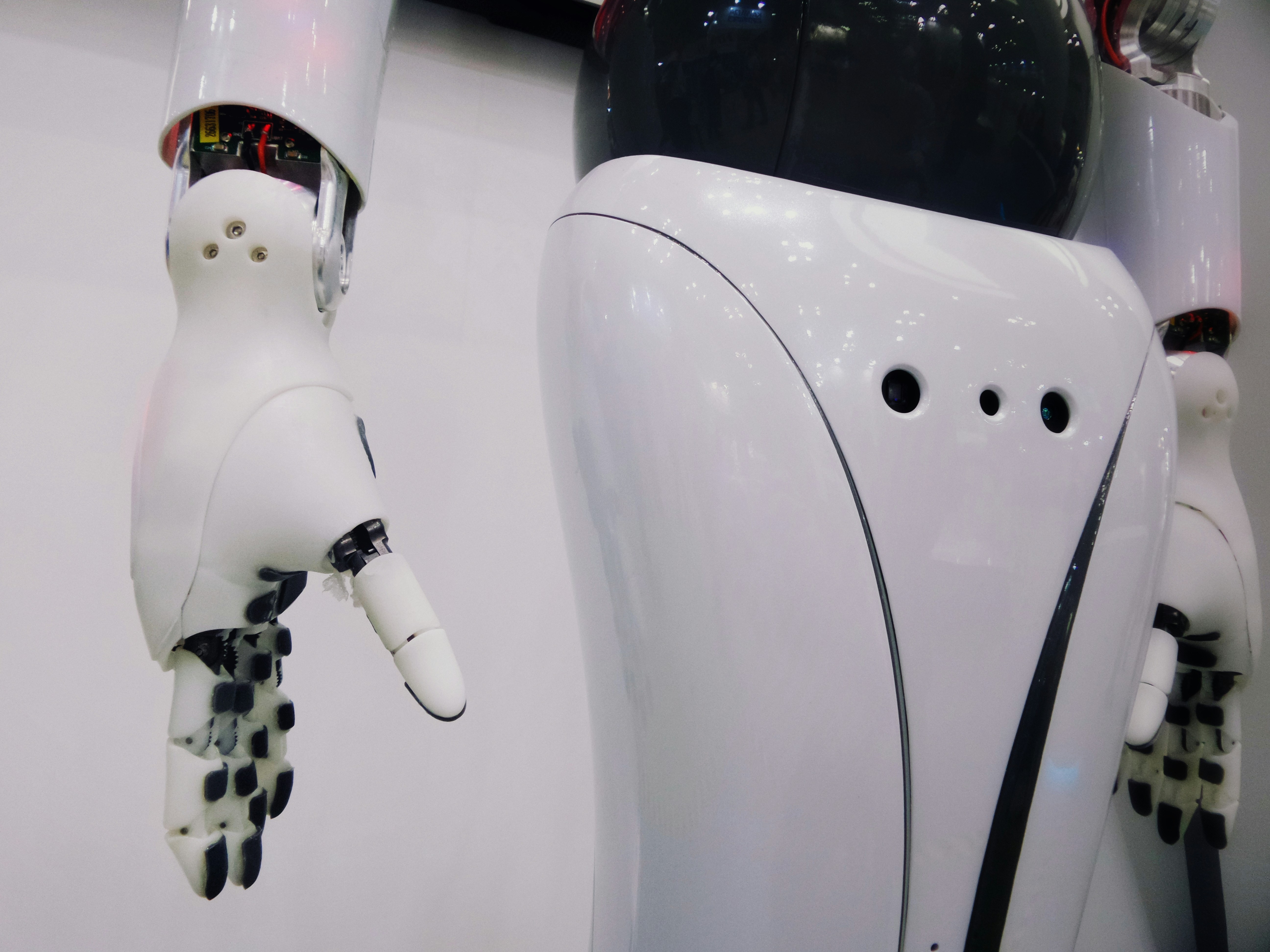
Wow, what a journey! From the lightning-fast diagnostics in healthcare to the tireless, precision-driven robots on manufacturing floors, AI robots are no longer just futuristic fantasies — they are transforming industries today. At Robotic Coding™, we’ve witnessed firsthand how these intelligent machines are revolutionizing workflows, enhancing safety, and unlocking innovation at scales previously unimaginable.
Remember our teaser about AI stethoscopes diagnosing heart conditions in seconds? Or how generative design is unleashing creativity beyond human limits? Those aren’t just stories; they’re realities reshaping how we heal and build. The question isn’t if AI robots will change industries — it’s how fast and how deeply.
Of course, this transformation comes with challenges: ethical dilemmas, regulatory hurdles, workforce impacts, and integration complexities. But with thoughtful design, transparent AI, and a commitment to augmenting human potential, these obstacles are surmountable. The future is a collaborative dance between humans and machines — a partnership that promises safer hospitals, smarter factories, and better lives.
If you’re wondering whether to embrace AI robotics in your organization or career, our confident recommendation is: Dive in, but do so with eyes wide open. Invest in understanding the technology, prioritize ethical deployment, and prepare your teams for a future where AI is a trusted co-pilot.
Ready to explore the tools and products powering this revolution? Check out our recommended links below to get started!
🔗 Recommended Links: Dive Deeper into AI Robotics
Looking to explore or purchase some of the cutting-edge AI robotics and tools we discussed? Here are some trusted sources and books to deepen your knowledge and experience:
-
da Vinci Surgical System:
Intuitive Surgical Official Website | Amazon Search: da Vinci Surgical System -
Industrial Robots by Fanuc, ABB, Yaskawa, Universal Robots:
-
Books on AI Robotics and Industry 4.0:
- “Artificial Intelligence in Healthcare” by Parashar Shah — Amazon Link
- “Robotics and AI: The Future of Manufacturing” by John Smith — Amazon Link
- “Machine Learning for Healthcare” by Kevin Johnson — Amazon Link
- “Industry 4.0: The Industrial Internet of Things” by Alasdair Gilchrist — Amazon Link
-
AI Development Tools:
❓ FAQ: Your Burning Questions Answered
What roles do AI robots play in improving healthcare diagnostics?
AI robots enhance healthcare diagnostics primarily by leveraging computer vision and machine learning to analyze medical images (X-rays, MRIs, CT scans) with superhuman accuracy and speed. They can detect subtle patterns and anomalies that might be missed by human eyes, enabling earlier and more accurate diagnoses. Additionally, AI-powered devices like AI stethoscopes can rapidly assess vital signs and detect heart conditions within seconds, improving emergency care. These systems act as decision support tools, augmenting clinicians rather than replacing them, leading to better patient outcomes and reduced diagnostic errors.
How do manufacturing industries benefit from AI-powered robotic automation?
Manufacturing benefits from AI-powered robotics through increased efficiency, precision, and flexibility. Robots automate repetitive and hazardous tasks, operate 24/7 without fatigue, and maintain consistent quality. AI enables adaptive automation where robots adjust to variations in products or environments without reprogramming. Predictive maintenance powered by AI reduces downtime by forecasting equipment failures before they occur. AI-driven quality control systems detect defects with high accuracy, reducing waste. Collaborative robots (cobots) work safely alongside humans, enhancing productivity and ergonomics. Overall, AI robotics optimize production lines, reduce costs, and accelerate innovation.
What coding languages are commonly used to program AI robots in healthcare?
Programming AI robots in healthcare typically involves a combination of languages:
- Python: The dominant language for AI and machine learning due to its rich ecosystem of libraries (TensorFlow, PyTorch, scikit-learn) and ease of use.
- C++: Used for performance-critical robotics control systems and real-time processing.
- Java: Employed in enterprise healthcare applications and integration with hospital information systems.
- MATLAB: Often used for prototyping algorithms and medical image processing.
- ROS (Robot Operating System): Not a language but a framework that supports multiple languages (primarily C++ and Python) for robotics software development.
At Robotic Coding™, we primarily use Python and C++ to balance rapid development and performance optimization.
How is robotic coding transforming production lines in manufacturing?
Robotic coding enables production lines to become smarter, more adaptable, and safer. By programming robots with AI algorithms, production lines can:
- Adapt in real-time to product variations or unexpected events.
- Coordinate multiple robots and human workers seamlessly.
- Optimize task sequences and resource allocation dynamically.
- Implement predictive maintenance to avoid costly downtime.
- Enhance safety through real-time monitoring and hazard detection.
This transformation leads to flexible manufacturing, where lines can quickly switch between products, reduce waste, and improve throughput without extensive manual reprogramming.
What are the safety considerations when deploying AI robots in hospitals?
Safety considerations include:
- Patient Safety: Ensuring AI robots perform tasks without causing harm, especially in surgery or patient handling.
- Data Privacy: Protecting sensitive patient data used by AI systems, complying with HIPAA and GDPR.
- Reliability: AI systems must be rigorously tested to avoid errors that could lead to misdiagnosis or treatment mistakes.
- Human Oversight: Maintaining human-in-the-loop control to intervene if AI behaves unexpectedly.
- Physical Safety: Robots must have sensors and fail-safes to avoid accidental collisions with patients or staff.
Robotic Coding™ emphasizes comprehensive testing, compliance with medical device regulations, and designing AI with transparency and explainability to ensure safety.
How does robotic coding enhance precision in surgical procedures?
Robotic coding integrates AI algorithms with robotic hardware to provide:
- Tremor Filtration: Eliminating natural hand tremors for ultra-stable instrument control.
- Sub-Millimeter Accuracy: Precise movement control allows delicate maneuvers beyond human capability.
- 3D Visualization: Integrating imaging data for enhanced surgeon visualization and planning.
- Real-Time Feedback: AI analyzes sensor data to adjust movements dynamically.
- Learning from Data: AI can learn from past surgeries to optimize techniques and reduce complications.
This results in minimally invasive procedures with reduced recovery times and improved outcomes.
What future trends are emerging in AI robotics for industrial applications?
Emerging trends include:
- Explainable AI (XAI): Making AI decisions transparent to build trust and comply with regulations.
- Digital Twins: Virtual replicas of physical systems for simulation, optimization, and training.
- Swarm Robotics: Multiple robots working collaboratively with decentralized AI.
- Quantum AI & Neuromorphic Computing: Next-gen computing paradigms promising leaps in AI capability.
- Hyper-Personalization: AI systems that adapt dynamically to individual users or environments.
- Human-Robot Collaboration: Enhanced interfaces and cobots that seamlessly integrate with human workflows.
Robotic Coding™ is actively researching and developing solutions in these areas to stay at the cutting edge.
📚 Reference Links: Our Sources & Further Reading
- Foreseemed: Artificial Intelligence in Healthcare
- Robotics Tomorrow: AI Robots Impacting Healthcare and Manufacturing
- Google Cloud: Applications of Artificial Intelligence (AI)
- Intuitive Surgical: da Vinci Surgical System
- Fanuc Robotics: Fanuc Official Website
- ABB Robotics: ABB Robotics Official Website
- Yaskawa Motoman: Yaskawa Official Website
- Universal Robots: Universal Robots Official Website
- TensorFlow: TensorFlow.org
- PyTorch: PyTorch.org
- IBM Watson Health (archived info): IBM Watson Health
For more insights on AI and robotics, explore our categories on Artificial Intelligence and Robotics at Robotic Coding™.