
Imagine a world where robots don’t just follow orders but learn from their environment, adapt on the fly, and collaborate seamlessly with humans. That’s the reality unfolding today thanks to the powerful fusion of robotics and machine learning. From autonomous vehicles navigating busy streets to cobots working side-by-side with factory workers, this dynamic duo is transforming industries and redefining what machines can do.
In this comprehensive guide, we’ll take you on a journey through the fundamentals, cutting-edge applications, and future trends of robotics powered by machine learning. Curious how robots “see” the world, learn new skills, or even predict their own maintenance needs? We’ve got you covered. Plus, we’ll share expert tips, real-world success stories, and practical resources to help you jumpstart your own robotic coding projects. Ready to unlock the secrets behind intelligent machines? Let’s dive in!
Key Takeaways
- Robotics and machine learning together enable robots to perceive, learn, and adapt autonomously, moving beyond rigid programming.
- Core areas enhanced by ML include computer vision, motion planning, natural language processing, and sensor fusion.
- Real-world applications span manufacturing, logistics, healthcare, agriculture, and service industries, with companies like Boston Dynamics and NVIDIA leading the charge.
- Emerging trends such as neuromorphic computing, swarm robotics, and explainable AI promise even smarter and more trustworthy robots.
- Beginners can start with accessible tools like ROS, TensorFlow, and Raspberry Pi kits, alongside online courses tailored to robotics and ML.
- Ethical considerations and technical challenges remain critical, emphasizing responsible innovation and safety.
Stay tuned for detailed insights and expert recommendations that will empower you to become part of this exciting robotics revolution!
Table of Contents
- ⚡️ Quick Tips and Facts
- 🤖 Robotics and Machine Learning: A Dynamic Duo’s Origin Story
- 🔍 1. Core Concepts: Understanding Robotics and Machine Learning Fundamentals
- 🧠 2. How Machine Learning Supercharges Robot Intelligence
- 🔧 3. Key Areas of Robotic Processing Enhanced by AI and ML
- 🚀 4. Revolutionary Impact: How AI and Machine Learning Are Transforming Robotics
- 🏭 5. Applications in Manufacturing, Logistics, and Beyond
- 🌍 6. Real-World Robotics and Machine Learning Success Stories
- 🔮 7. Future Vision: Emerging Trends and Breakthroughs in Robotics and AI
- 🌐 8. Interconnected Fields: How Robotics, AI, and Machine Learning Shape Our World
- 📚 9. Top Tools, Frameworks, and Libraries for Robotics and Machine Learning
- 🎓 10. Learning Pathways: Courses, Tutorials, and Resources to Master Robotics and ML
- 🛠️ 11. Challenges and Ethical Considerations in Robotics and Machine Learning
- 🔧 12. DIY Robotics and Machine Learning Projects to Try at Home
- 📈 13. Industry Insights: Market Trends and Career Opportunities in Robotics and ML
- 📝 Conclusion
- 🔗 Recommended Links
- ❓ FAQ
- 📖 Reference Links
⚡️ Quick Tips and Facts
Welcome to the thrilling intersection where robotics meets machine learning—a place where metal meets mind, and algorithms give robots their smarts! At Robotic Coding™, we’ve seen firsthand how this combo is revolutionizing industries and everyday life. Here are some quick, eye-opening facts to get you revved up:
- Robotics + Machine Learning = Autonomous Intelligence: Robots are no longer just pre-programmed machines; they learn from data and adapt to new environments. This means smarter, more flexible robots.
- Computer Vision is King: Over 60% of machine learning applications in robotics involve visual perception—think object recognition, tracking, and scene understanding.
- Imitation Learning is a Game-Changer: Robots can learn complex tasks by watching humans or other robots, reducing the need for explicit programming.
- Self-Supervised Learning: Robots generate their own training data, improving performance on the fly without human intervention.
- Cobots (Collaborative Robots): Designed to work safely alongside humans, these robots use AI to interpret gestures, voice commands, and even facial expressions.
- Predictive Maintenance: Machine learning analyzes sensor data to predict failures before they happen, slashing downtime and repair costs.
- The Future is Multi-Agent: Groups of robots coordinate using machine learning to tackle complex tasks like mapping disaster zones or warehouse automation.
Curious how all these pieces fit together? Stick around—we’ll unpack every detail, from fundamentals to futuristic breakthroughs! Meanwhile, check out our deep dive on AI robots to see these concepts in action.
🤖 Robotics and Machine Learning: A Dynamic Duo’s Origin Story
Before we dive into the nuts and bolts, let’s rewind and explore how robotics and machine learning became the power couple of tech innovation.
The Birth of Robotics
Robotics started as a field focused on mechanical design, control systems, and automation. Early robots were rigid, performing repetitive tasks on factory floors. Think of the iconic Unimate arm in the 1960s, which revolutionized automotive manufacturing.
The Rise of Artificial Intelligence and Machine Learning
AI’s roots trace back to the 1950s, but it wasn’t until the 1990s and 2000s that machine learning (ML)—a subset of AI—gained traction. ML allows systems to learn from data rather than relying on explicit programming.
The Perfect Match
The real magic began when researchers combined robotics with ML. Robots could now:
- Perceive their environment using sensors and cameras.
- Learn from experience to improve tasks like navigation or object manipulation.
- Adapt to new situations without human reprogramming.
This synergy is what powers today’s autonomous vehicles, drones, and smart manufacturing robots.
For a detailed history and technical background, check out our Robotics Education resources.
1. Core Concepts: Understanding Robotics and Machine Learning Fundamentals
To master the field, you need to grasp the building blocks of both robotics and machine learning.
What Is Robotics?
Robotics involves the design, construction, operation, and use of robots. Key components include:
- Sensors: Cameras, lidar, ultrasonic sensors, IMUs (inertial measurement units).
- Actuators: Motors, servos, hydraulic systems that move robot parts.
- Controllers: Hardware/software that process sensor data and command actuators.
- Software: Algorithms for perception, planning, and control.
What Is Machine Learning?
Machine learning is a branch of AI where systems learn patterns from data to make decisions or predictions. The main types are:
| Type | Description | Example Use Case |
|---|---|---|
| Supervised Learning | Learns from labeled data | Object recognition in images |
| Unsupervised Learning | Finds patterns in unlabeled data | Clustering similar objects |
| Reinforcement Learning | Learns by trial and error, receiving rewards | Robot navigation and obstacle avoidance |
How They Intersect
Robots use ML to:
- Interpret sensor data (e.g., images, sound).
- Plan and optimize movements.
- Adapt to changing environments.
- Collaborate with humans and other robots.
Want to see these concepts in action? Our Robotic Simulations section has hands-on tutorials.
2. How Machine Learning Supercharges Robot Intelligence
Machine learning is the secret sauce that transforms robots from dumb machines into intelligent agents.
Learning From Data
Robots collect vast amounts of data from sensors. ML algorithms analyze this data to:
- Recognize objects and environments.
- Predict outcomes (e.g., will the robot slip on this surface?).
- Make decisions in real time.
Types of ML in Robotics
- Computer Vision: Using convolutional neural networks (CNNs) to identify objects and people.
- Imitation Learning: Robots mimic human actions by observing demonstrations.
- Self-Supervised Learning: Robots generate labels from their own experiences, speeding up learning.
- Reinforcement Learning: Robots learn optimal behaviors through rewards and penalties.
Real-World Example: NVIDIA’s Drive PX
NVIDIA’s Drive PX platform uses deep learning to power autonomous vehicles, processing sensor data to navigate complex traffic environments safely.
Benefits of ML in Robotics
- Increased autonomy: Less human intervention needed.
- Improved adaptability: Robots handle unexpected scenarios.
- Enhanced collaboration: Robots understand and respond to human cues.
3. Key Areas of Robotic Processing Enhanced by AI and ML
Machine learning impacts several core robotic functions. Let’s break down the key areas:
3.1 Perception and Computer Vision
Robots need to “see” the world. ML-powered computer vision enables:
- Object detection and classification.
- Scene segmentation (understanding what’s ground, obstacles, or humans).
- Facial and gesture recognition for human-robot interaction.
Tech Spotlight: YOLO (You Only Look Once) and Mask R-CNN are popular real-time object detection models used in robotics.
3.2 Motion Planning and Control
Robots must plan paths and control movements smoothly.
- ML helps predict the best path avoiding obstacles.
- Reinforcement learning optimizes control policies for dynamic environments.
- Sensor fusion combines data from multiple sensors to improve accuracy.
3.3 Natural Language Processing and Human-Robot Interaction
Cobots use ML to understand and respond to:
- Voice commands (via speech recognition).
- Natural language queries (chatbots or assistants).
- Emotional cues through facial expression analysis.
3.4 Sensor Fusion and Environment Mapping
Combining data from cameras, lidar, radar, and IMUs creates a comprehensive map.
- ML algorithms improve Simultaneous Localization and Mapping (SLAM).
- Enables robots to navigate unknown environments autonomously.
4. Revolutionary Impact: How AI and Machine Learning Are Transforming Robotics
The synergy of AI and ML is reshaping robotics in profound ways.
From Pre-Programmed to Self-Learning
Robots now:
- Learn from experience without explicit reprogramming.
- Adapt to new tasks and environments on the fly.
- Collaborate safely with humans in shared workspaces.
Key Innovations
| Innovation | Impact on Robotics |
|---|---|
| Deep Learning | Enables complex perception tasks like image and speech recognition. |
| Reinforcement Learning | Robots learn optimal actions through trial and error. |
| Explainable AI | Improves transparency and trust in robot decisions. |
| Lifelong Learning | Robots continuously improve over their operational life. |
Industry Voices
As Stefanini notes, “Robots are becoming increasingly sophisticated, capable of performing complex tasks, adapting to dynamic environments, and collaborating seamlessly with humans.” This is the future unfolding before us.
5. Applications in Manufacturing, Logistics, and Beyond
Machine learning-powered robots are everywhere! Here’s where they shine:
Manufacturing
- Automated assembly lines with precision and speed.
- Quality control using vision systems to detect defects.
- Predictive maintenance to avoid costly downtime.
Logistics and Warehousing
- Autonomous mobile robots (AMRs) like Amazon Robotics’ Kiva systems navigate warehouses efficiently.
- ML optimizes inventory management and order fulfillment.
Healthcare
- Surgical robots like Intuitive Surgical’s da Vinci system assist with minimally invasive procedures.
- Diagnostic robots analyze medical images with high accuracy.
Agriculture
- Robots monitor crop health using drone-mounted cameras and ML analysis.
- Automated harvesting robots increase yield and reduce labor.
Service Industry
- Customer service robots in hotels and airports use NLP to assist guests.
- Cleaning robots like iRobot Roomba learn optimal cleaning patterns.
6. Real-World Robotics and Machine Learning Success Stories
Let’s spotlight some real-world heroes:
Boston Dynamics’ Spot
- A quadruped robot using ML for dynamic balance and obstacle avoidance.
- Used in construction, inspection, and public safety.
NVIDIA’s Autonomous Vehicle Platform
- Powers self-driving cars with deep learning for perception and decision-making.
- Collaborates with Tesla, Audi, and other automakers.
UIUC’s “Bert” Humanoid Robot
- Learns grasping skills through imitation learning.
- Demonstrates how robots can acquire dexterous manipulation abilities.
Watch-Bot
- Uses self-supervised learning to remind humans of forgotten objects.
- Achieves around 60% success rate in real environments.
Collaborative Robots (Cobots)
- Universal Robots’ UR series works alongside humans in factories, learning from demonstrations.
7. Future Vision: Emerging Trends and Breakthroughs in Robotics and AI
What’s next on the horizon? Here’s where we see the landscape heading:
Neuromorphic Computing
- Brain-inspired hardware/software to enable more efficient, human-like reasoning.
Artificial General Intelligence (AGI)
- The holy grail: robots with human-level understanding and learning capacity. Still theoretical but actively researched.
Explainable and Trustworthy AI
- Transparency in robot decision-making to build user trust and meet regulatory standards.
Swarm Robotics
- Groups of simple robots coordinating complex tasks, inspired by ants or bees.
Lifelong and Transfer Learning
- Robots that continuously learn and apply knowledge across different tasks.
Integration with 5G and Edge Computing
- Real-time data processing for faster, more reliable robot responses.
8. Interconnected Fields: How Robotics, AI, and Machine Learning Shape Our World
Robotics and machine learning don’t exist in isolation—they’re part of a vibrant ecosystem.
AI and Data Science
- Big data fuels ML models that robots rely on.
- AI algorithms refine decision-making and perception.
Internet of Things (IoT)
- Connected devices provide robots with richer environmental data.
Cloud and Edge Computing
- Offloads heavy computation, enabling lightweight robots to perform complex tasks.
Human-Computer Interaction (HCI)
- Advances in NLP and gesture recognition improve robot usability.
Ethics and Policy
- As robots become ubiquitous, ethical frameworks guide responsible development.
For more on these interconnections, explore our Artificial Intelligence and Robotics categories.
9. Top Tools, Frameworks, and Libraries for Robotics and Machine Learning
Want to build your own smart robot? Here are the go-to tools we recommend:
| Tool/Framework | Purpose | Highlights |
|---|---|---|
| ROS (Robot Operating System) | Robotics middleware | Open-source, supports sensor integration and control. |
| TensorFlow | Machine learning library | Popular for deep learning models, backed by Google. |
| PyTorch | ML framework | Flexible, great for research and production. |
| OpenCV | Computer vision | Real-time image processing and analysis. |
| Gazebo | Robot simulation | 3D simulation environment integrated with ROS. |
| NVIDIA Jetson | Edge AI computing platform | Powerful hardware for deploying ML on robots. |
👉 CHECK PRICE on:
- NVIDIA Jetson: Amazon | NVIDIA Official Website
- ROS Tutorials and Resources: ROS.org
10. Learning Pathways: Courses, Tutorials, and Resources to Master Robotics and ML
Ready to level up? Here’s our curated roadmap:
Online Courses
- Machine Learning for Robotics Course by The Construct: Covers regression, neural networks, clustering, and deploying ML in ROS with TurtleBot 2.
- Deep Learning Specialization by Andrew Ng on Coursera: Essential for understanding neural networks.
- Reinforcement Learning by OpenAI Spinning Up: Learn trial-and-error learning for robotics.
Books
- Probabilistic Robotics by Sebastian Thrun et al.
- Deep Learning by Ian Goodfellow, Yoshua Bengio, and Aaron Courville.
Tutorials and Simulations
- Robotic Coding™’s Robotic Simulations offers hands-on projects.
- OpenAI Gym for reinforcement learning environments.
Community and Forums
- ROS Discourse and Answers.
- Reddit’s r/robotics and r/MachineLearning.
11. Challenges and Ethical Considerations in Robotics and Machine Learning
It’s not all smooth sailing—there are hurdles and responsibilities:
Technical Challenges
- Data Quality and Quantity: ML needs vast, diverse datasets.
- Real-Time Processing: Robots must make split-second decisions.
- Robustness: Handling unpredictable environments and failures.
Ethical Concerns
- Privacy: Robots collecting sensitive data.
- Safety: Ensuring robots don’t harm humans.
- Job Displacement: Automation’s impact on employment.
- Bias and Fairness: ML models must avoid reinforcing societal biases.
Regulatory Landscape
- Governments and organizations are crafting guidelines for safe and ethical robot deployment.
At Robotic Coding™, we advocate for responsible innovation—building robots that empower, not endanger.
12. DIY Robotics and Machine Learning Projects to Try at Home
Feeling inspired? Here are some projects to get your hands dirty:
1. Build a Line-Following Robot with ML Vision
- Use a Raspberry Pi with a camera and TensorFlow Lite to train a model that follows a line on the floor.
2. Voice-Controlled Robot Assistant
- Combine a microcontroller (like Arduino) with Google’s Speech-to-Text API to control a robot via voice commands.
3. Object Recognition with OpenCV
- Train a simple classifier to recognize household objects and trigger robot actions.
4. Simulate Robot Navigation in Gazebo
- Use ROS and Gazebo to create virtual robots that learn to navigate mazes using reinforcement learning.
Resources to Get Started
13. Industry Insights: Market Trends and Career Opportunities in Robotics and ML
The robotics and ML job market is booming! Here’s what we see:
Market Trends
- The global robotics market is projected to exceed $75 billion by 2026 (source: Statista).
- Demand for AI-powered robots is surging in manufacturing, healthcare, and logistics.
- Startups and tech giants alike are investing heavily in autonomous systems.
Career Paths
- Robotics Software Engineer: Develop control and perception algorithms.
- Machine Learning Engineer: Build and deploy ML models for robots.
- Data Scientist: Analyze sensor data to improve robot performance.
- Robotics Researcher: Push the boundaries of AI and robotics.
- Systems Integrator: Combine hardware and software for turnkey solutions.
Skills to Develop
- Proficiency in Python, C++, and ROS.
- Understanding of ML frameworks like TensorFlow and PyTorch.
- Knowledge of control theory, computer vision, and NLP.
For career advice and coding tips, visit our Coding Languages and Robotics Education sections.
Before we wrap up, don’t miss our insights from the first YouTube video featured in this article, where experts discuss the nuances of learning models that answer “what if” questions in robotics—check it out at #featured-video!
Ready to dive deeper? Stay tuned for the conclusion and our curated recommended links!
Conclusion
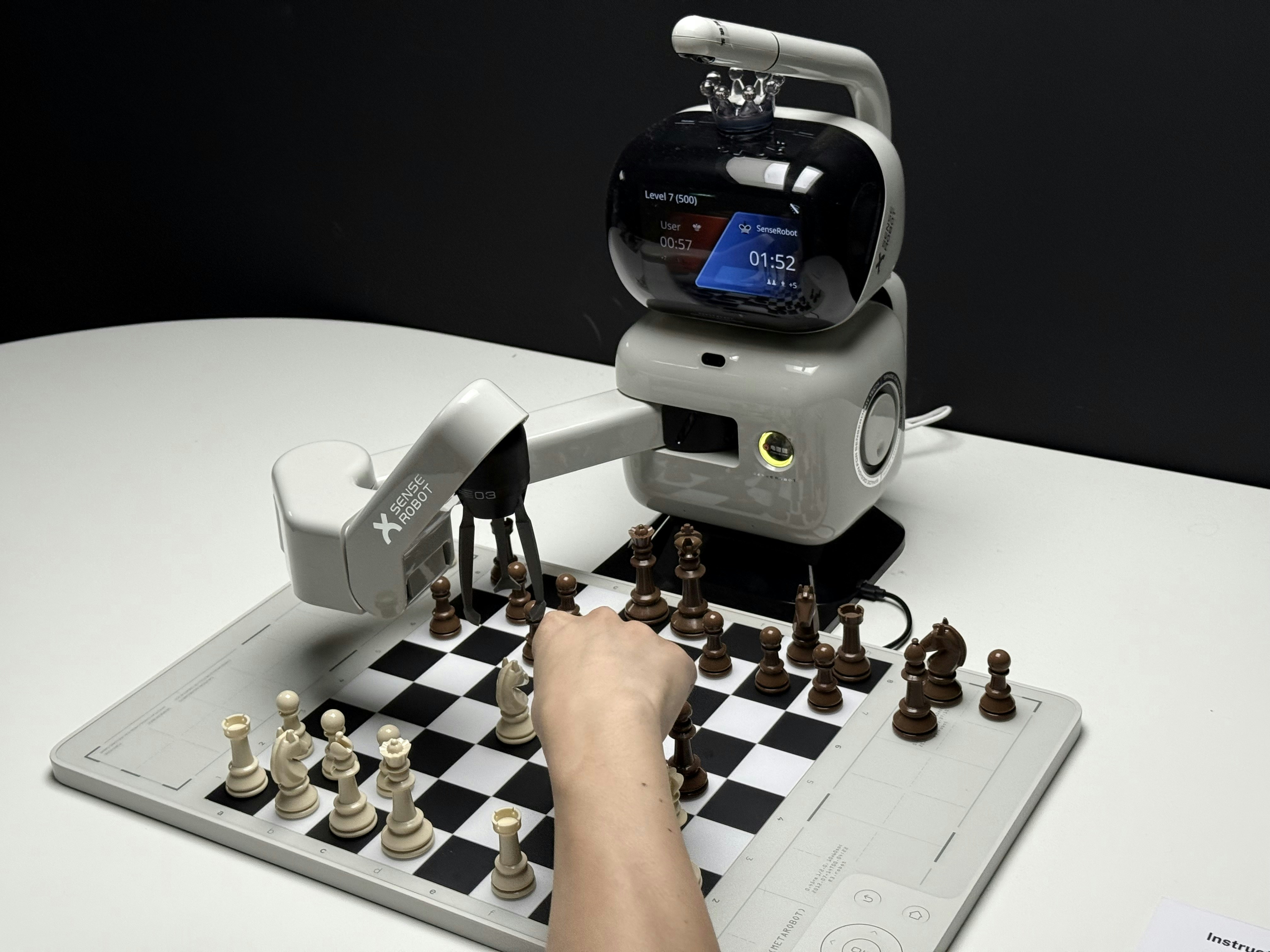
After our deep dive into the fascinating world where robotics and machine learning collide, one thing is crystal clear: this dynamic duo is not just shaping the future—it’s building it. From enabling robots to perceive, learn, and adapt, to transforming industries like manufacturing, healthcare, and logistics, the synergy between these fields is nothing short of revolutionary.
We’ve explored how machine learning empowers robots with intelligence, autonomy, and collaboration skills that were once the stuff of sci-fi. Whether it’s Boston Dynamics’ agile Spot navigating rough terrain or NVIDIA’s deep learning platforms driving autonomous cars, the real-world applications are impressive and growing by the day.
Of course, challenges remain—data quality, real-time processing, ethical concerns—but the robotics community is actively tackling these with innovative solutions and responsible frameworks.
For you, the aspiring robotic coder or tech enthusiast, the path is clear: mastering both robotics fundamentals and machine learning techniques will unlock incredible opportunities. With powerful tools like ROS, TensorFlow, and PyTorch, plus accessible courses like The Construct’s Machine Learning for Robotics, the journey is more achievable than ever.
So, are you ready to build the next generation of intelligent robots? We’re confident that with the right knowledge and passion, you can be at the forefront of this exciting revolution. 🚀
Recommended Links
👉 CHECK PRICE on:
-
NVIDIA Jetson AI Platforms:
Amazon | NVIDIA Official Website -
Raspberry Pi Robotics Kits:
Amazon -
Universal Robots UR Series (Cobots):
Universal Robots Official Website -
Books on Robotics and Machine Learning:
-
Machine Learning for Robotics Course – The Construct:
The Construct Course
FAQ
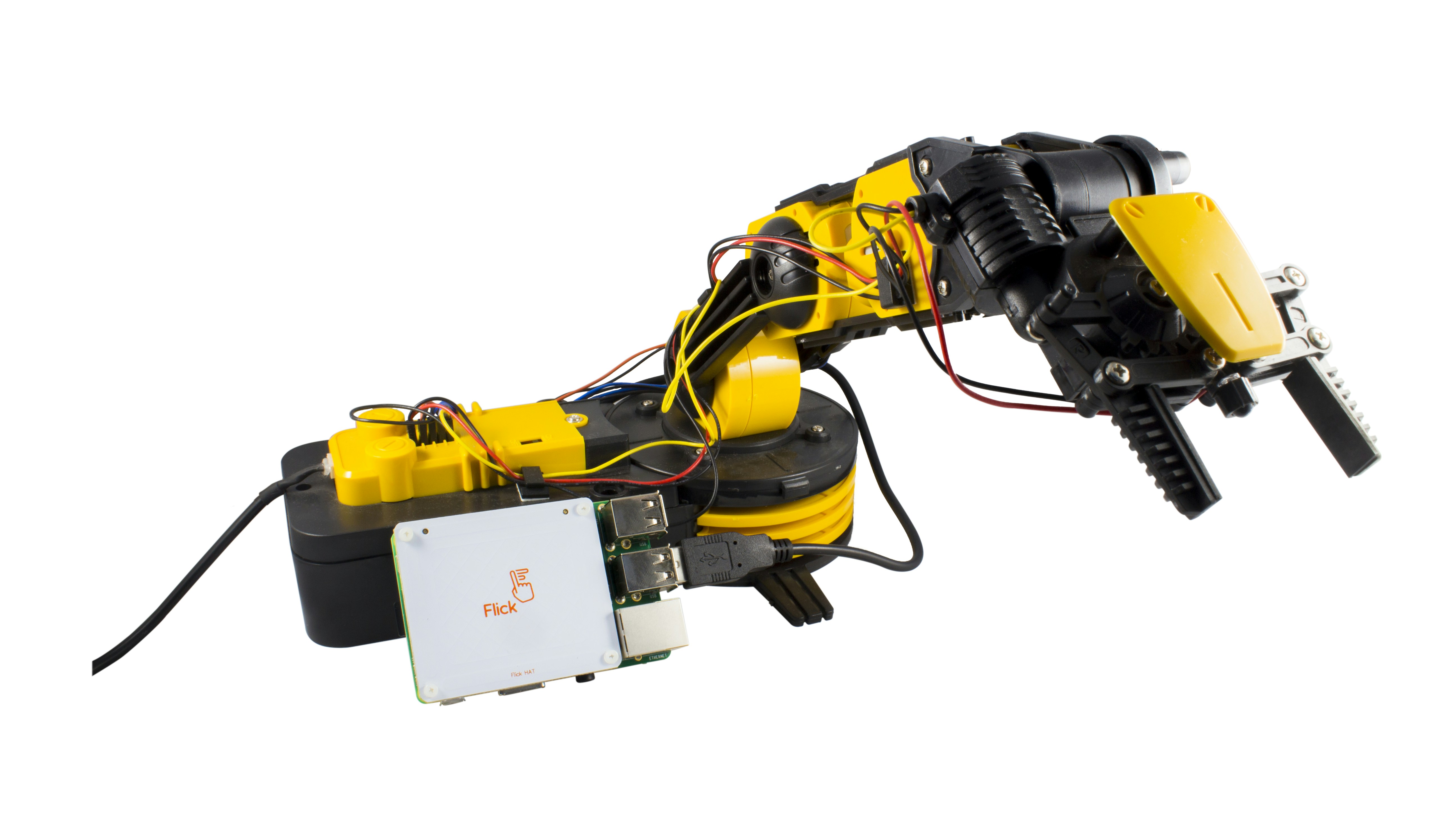
How is machine learning applied in robotics?
Machine learning enables robots to learn from sensor data and improve their performance without explicit programming. Applications include:
- Computer vision for object detection and scene understanding.
- Motion planning using reinforcement learning to navigate complex environments.
- Imitation learning where robots mimic human actions.
- Predictive maintenance by analyzing sensor data to forecast failures.
ML algorithms process vast datasets collected by robots, allowing them to adapt, make decisions, and collaborate effectively.
What programming languages are best for robotics and machine learning?
The most popular languages include:
- Python: Widely used for ML libraries (TensorFlow, PyTorch) and ROS integration.
- C++: Preferred for performance-critical robotics components and ROS nodes.
- MATLAB: Used in academia and prototyping for robotics algorithms.
- Java and JavaScript: Occasionally used for specific robotics applications or web-based interfaces.
Python’s versatility and extensive ML ecosystem make it the top choice for beginners and experts alike.
Can robotics and machine learning improve automation processes?
✅ Absolutely! ML-powered robots can:
- Adapt to changing production lines without reprogramming.
- Detect defects in real time with vision systems.
- Optimize logistics through autonomous navigation and inventory management.
- Collaborate safely with human workers, increasing productivity.
This leads to greater efficiency, flexibility, and cost savings compared to traditional automation.
What are the challenges of integrating machine learning in robotics?
Some key challenges are:
- Data requirements: ML needs large, diverse datasets which can be hard to collect.
- Real-time constraints: Robots must process data and act instantly.
- Robustness: Handling unpredictable environments and sensor noise.
- Ethical and safety concerns: Ensuring robots behave responsibly and safely around humans.
Overcoming these requires multidisciplinary expertise and ongoing research.
How do robots learn from data using machine learning algorithms?
Robots collect data from sensors (cameras, lidar, IMUs) and feed it into ML models that:
- Extract features (e.g., edges, shapes).
- Classify or predict outcomes (e.g., object identity, obstacle proximity).
- Adjust control policies based on feedback (reinforcement learning).
- Update models continuously through lifelong learning.
This iterative process enables robots to improve over time and adapt to new tasks.
What are the latest trends in robotic coding and machine learning?
Current trends include:
- Neuromorphic computing for brain-inspired processing.
- Explainable AI to make robot decisions transparent.
- Swarm robotics where multiple robots coordinate via ML.
- Edge AI to perform ML locally on robots for faster responses.
- Integration with 5G for real-time cloud-robot communication.
These advances promise smarter, safer, and more collaborative robots.
How can beginners start learning robotics and machine learning coding?
Start with:
- Learning Python and basic robotics concepts.
- Exploring ROS tutorials and simple robot simulations.
- Taking online courses like Machine Learning for Robotics.
- Building DIY projects such as line-following robots or voice-controlled assistants.
- Joining robotics communities and forums for support.
Consistent practice and curiosity are your best allies!
Reference Links
- Stefanini Insights on Machine Learning and AI in Robotics
- Emerj’s article on Machine Learning in Robotics
- The Construct’s Machine Learning for Robotics Course
- NVIDIA Jetson Platform: https://developer.nvidia.com/embedded-computing
- Universal Robots: https://www.universal-robots.com/
- ROS Official Website: https://www.ros.org/
- Statista Robotics Market Report: https://www.statista.com/statistics/802690/worldwide-robotics-market-size/
We hope this comprehensive guide has sparked your imagination and equipped you with the knowledge to embark on your own robotic coding adventures. Remember, the future is coded by those who dare to learn and innovate!