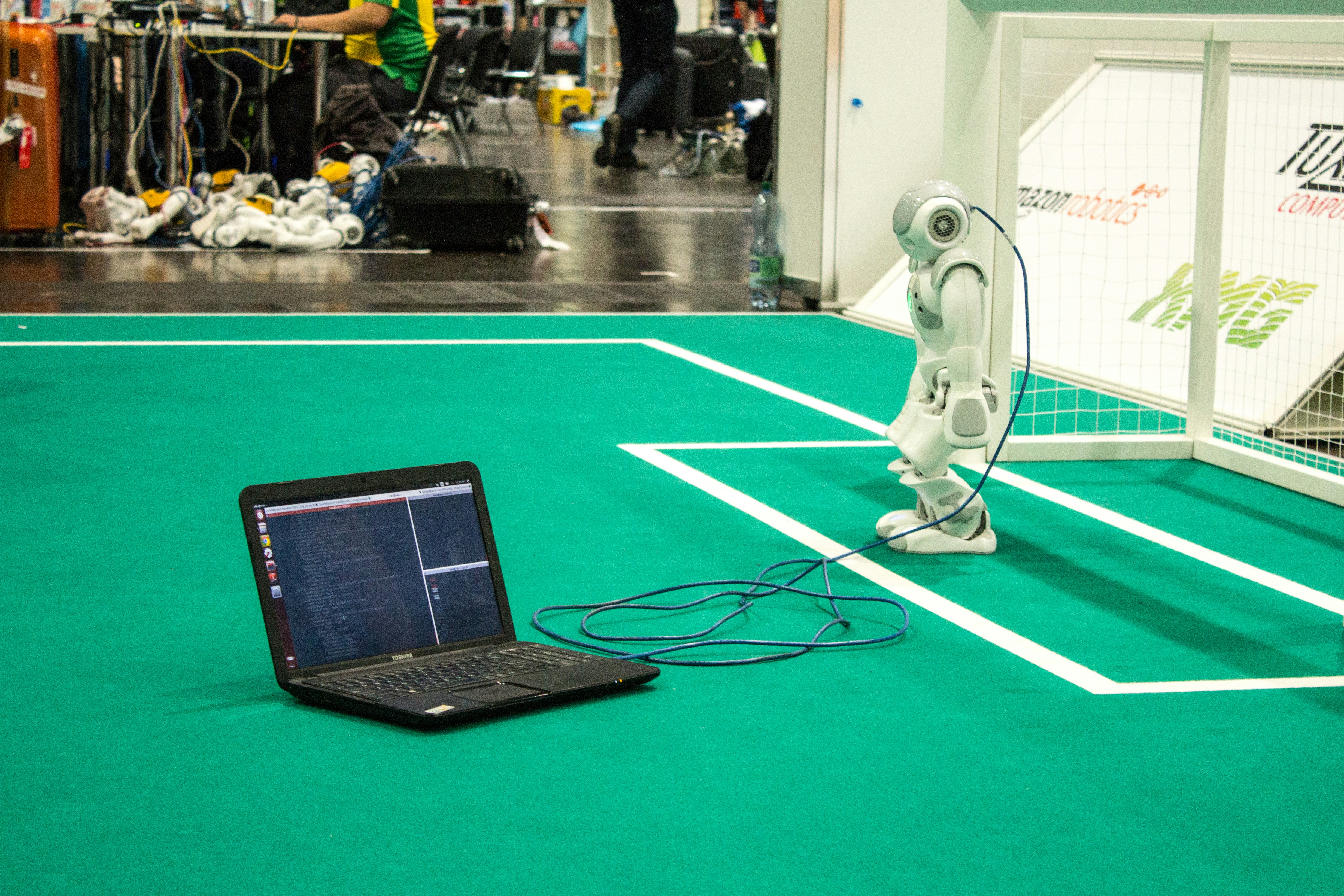
Are you ready to dive into the electrifying world of robotics coding challenges and competitions? Whether you’re a student, educator, or hobbyist, these contests offer a thrilling blend of programming, engineering, and teamwork that can launch your STEM journey into overdrive. From the adrenaline-fueled arenas of the FIRST Robotics Competition to the innovative playgrounds of RoboCup and VEX Robotics, this article covers everything you need to know to get started, excel, and maybe even snag a trophy or two.
Did you know that over 3,000 teams worldwide compete annually in the FIRST Robotics Competition alone? Behind every winning robot is a story of late-night debugging marathons, strategic coding breakthroughs, and unstoppable team spirit. We’ll share insider tips, expert advice from our Robotic Coding™ engineers, and a detailed breakdown of the top competitions, tools, and strategies to help you dominate the next season. Curious about how AI and machine learning are reshaping the future of these contests? Stick around—we’ve got that covered too!
Key Takeaways
- Robotics competitions blend coding, engineering, and teamwork to build real-world STEM skills.
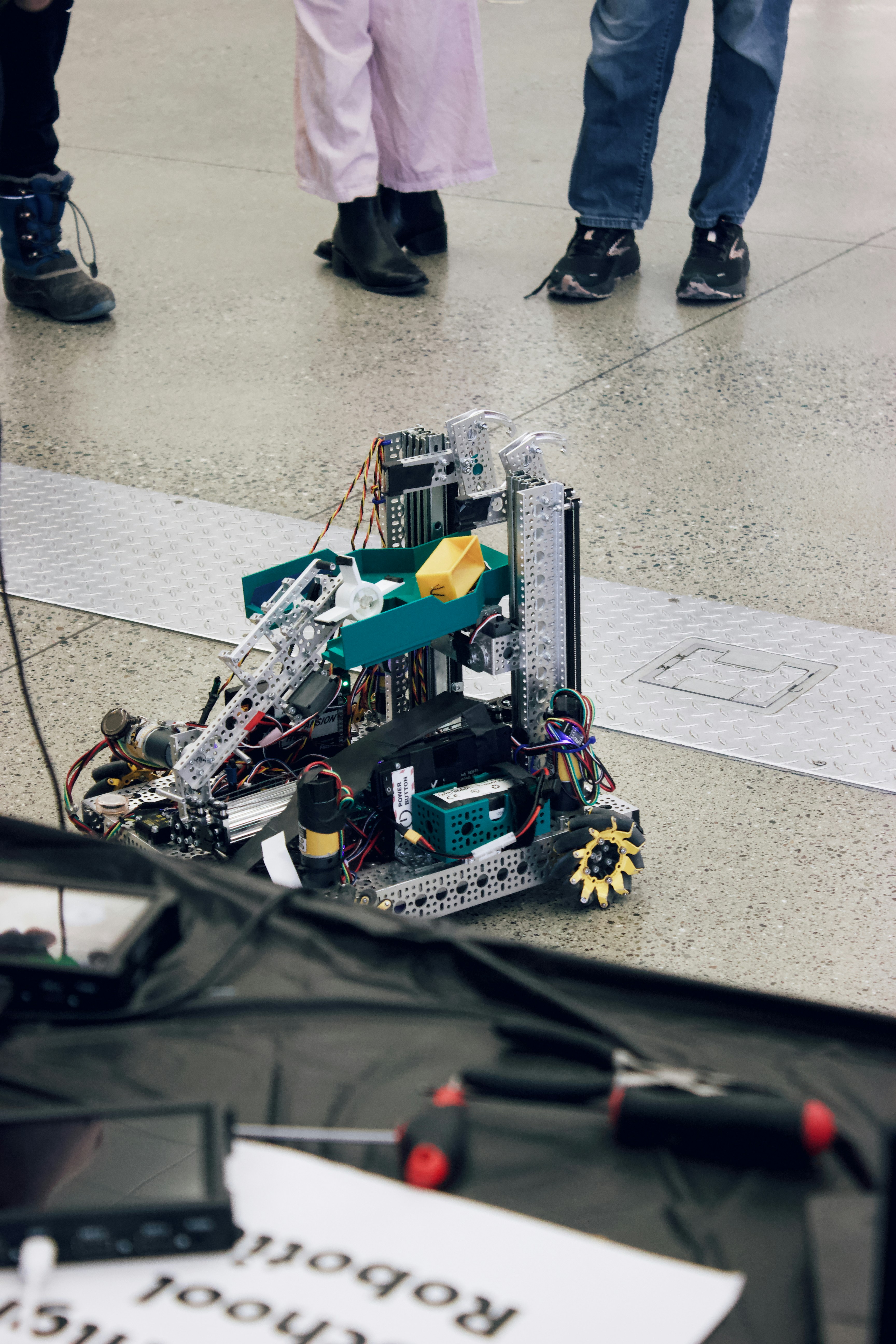
- The FIRST Robotics Competition (FRC) and VEX Robotics Competition (VRC) are the most popular, each with unique formats and challenges.
- Mastering languages like C++, Java, and Python is essential for competitive success.
- Utilizing tools such as simulation software, CAD programs, and version control systems can dramatically improve your workflow.
- Building a strong team with skilled mentors and effective fundraising strategies is just as important as coding prowess.
- Emerging technologies like AI and machine learning are increasingly integrated into robotics challenges, pushing the boundaries of innovation.
Ready to power up your coding skills and join the global robotics revolution? Let’s get started!
Table of Contents
- ⚡️ Quick Tips and Facts: Your Robotics Competition Cheat Sheet
- 🤖 The Genesis of Gears: A Brief History of Competitive Robotics and STEM Education
- 🚀 Why Dive into Robotics Competitions? Beyond the Bots, Building Futures
- 💻 The Thrill of the Code: Understanding Robotics Coding Challenges
- 🏆 Navigating the Arena: A Guide to Top Robotics Competitions Worldwide
- 🛠️ Gear Up for Glory: Essential Tools and Platforms for Robotics Coders
- Microcontrollers and Single-Board Computers: The Robot’s Brains (Arduino, Raspberry Pi, REV Robotics)
- Integrated Development Environments (IDEs) and Simulation Tools: Your Digital Workbench
- CAD Software for Robot Design: Fusion 360, SolidWorks, and Onshape
- Version Control Systems: Git and GitHub for Collaborative Coding
- 🤝 Building Your Dream Team: Strategies for Success in Competitive Robotics
- 🚧 Overcoming Obstacles: Common Coding Challenges and Expert Solutions
- 🌟 Beyond the Bots: The Lasting Impact of Robotics Competitions on Your Future
- 🔮 The Future of Robotics Competitions: What’s Next on the Horizon?
- Conclusion: Powering Up Your Potential with Competitive Robotics
- Recommended Links: Your Robotics Resource Hub
- FAQ: Your Burning Robotics Competition Questions Answered
- Reference Links: Diving Deeper into Robotics Excellence
⚡️ Quick Tips and Facts: Your Robotics Competition Cheat Sheet
Welcome to the thrilling world of robotic coding, where lines of code meet gears and motors to create competitive marvels! Before you dive headfirst into the adrenaline-pumping arena of robotics coding challenges and competitions, here are some quick tips and facts from the Robotic Coding™ team to get you revved up and ready.
Quick Tips from the Pros
- Start Small, Think Big: Begin with simple coding projects on platforms like Arduino or VEX before tackling complex autonomous routines.
- Master Your Language: Python and C++ dominate the robotics coding scene. Get comfortable with at least one.
- Teamwork Makes the Dream Work: Coding is only part of the puzzle; collaboration with mechanical and electrical teammates is key.
- Test Early, Test Often: Debugging on the fly saves hours during competition.
- Document Everything: Keep clear notes on code versions, hardware changes, and strategies.
- Leverage Simulation Tools: Use Gazebo or Webots to simulate robot behavior before physical testing.
- Stay Updated: Follow FIRST Robotics and VEX Robotics official sites for the latest rules and game challenges.
- Mentors Are Gold: Seek guidance from experienced mentors who can provide both technical and strategic insights.
Must-Know Facts
| Fact | Details |
|---|---|
| FIRST Robotics Competition (FRC) | Over 3,000 teams worldwide, ages 14-18, with a build season of 6 weeks annually. |
| VEX Robotics Competition (VRC) | Offers divisions for middle school, high school, and university levels. |
| Common Coding Languages | C++, Java, Python, and RobotC. |
| Popular Hardware Platforms | REV Robotics Control System, VEX Cortex, Arduino, Raspberry Pi. |
| Typical Competition Format | Autonomous mode followed by teleoperated mode; alliances of 2-3 teams compete together. |
| Global Reach | Competitions held in 30+ countries, with thousands of students participating annually. |
Insider Anecdote
Our lead coder once spent an entire night debugging a robot that refused to move—turns out, a single misplaced semicolon was the culprit! Moral of the story? Never underestimate the power of meticulous code review. 🕵️ ♂️
🤖 The Genesis of Gears: A Brief History of Competitive Robotics and STEM Education

To truly appreciate the excitement of robotics coding challenges, let’s rewind the clock and explore how this fascinating field evolved.
The Birth of Robotics Competitions
The modern robotics competition movement began in the late 1980s and early 1990s, fueled by growing interest in STEM (Science, Technology, Engineering, and Mathematics) education. The FIRST Robotics Competition (FRC) was founded in 1989 by Dean Kamen, aiming to inspire young people to pursue STEM careers through hands-on robotics challenges.
Evolution and Expansion
- 1990s: FIRST launched its inaugural competition, attracting a few dozen teams.
- 2000s: VEX Robotics emerged, offering more accessible platforms for younger students.
- 2010s: The rise of AI and machine learning began influencing robotics challenges, with RoboCup and other leagues incorporating advanced autonomy.
- Today: Robotics competitions are global phenomena, engaging hundreds of thousands of students annually and supported by industry giants like IBM, Google, and NASA.
Why It Matters
Robotics competitions have become a catalyst for STEM education, blending creativity, engineering, and coding in a competitive yet collaborative environment. They have helped bridge the gap between classroom theory and real-world application, fostering innovation and critical thinking.
For a deep dive into how robotics education shapes future innovators, check out our Robotics Education category.
🚀 Why Dive into Robotics Competitions? Beyond the Bots, Building Futures
Robotics competitions are more than just building cool machines—they’re about building people. Here’s why you should consider jumping in.
Unlocking Core STEM Skills: Engineering, Programming, and Design Thinking
- Engineering: Hands-on experience designing mechanical systems, selecting materials, and fabricating parts.
- Programming: Writing efficient, reliable code in languages like C++ and Python to control robot behavior.
- Design Thinking: Iterative problem-solving, prototyping, and testing to meet complex challenges.
Cultivating Crucial Soft Skills: Teamwork, Leadership, and Problem-Solving
- Teamwork: Collaborating across disciplines, managing roles, and resolving conflicts.
- Leadership: Organizing teams, delegating tasks, and motivating peers.
- Problem-Solving: Adapting to unexpected issues and thinking creatively under pressure.
Networking Nirvana: Connecting with Mentors, Peers, and Industry Leaders
Competitions expose you to a vibrant community of mentors, engineers, and fellow students. Many alumni land internships and jobs through connections made in these events.
💻 The Thrill of the Code: Understanding Robotics Coding Challenges
At the heart of every robotics competition lies the coding challenge—the brain behind the brawn.
Coding Languages of Champions: Python, C++, Java, and Beyond
- C++: Preferred in FRC for its speed and control over hardware.
- Java: Also popular in FRC and VEX due to its portability and extensive libraries.
- Python: Increasingly used for rapid prototyping and AI integration.
- RobotC: A specialized language for VEX and LEGO Mindstorms platforms.
Our team at Robotic Coding™ swears by mastering at least two languages to stay versatile.
From Autonomous to Teleoperated: Mastering Robot Control Systems
Robotics competitions typically feature two phases:
- Autonomous Mode: The robot operates based on pre-programmed instructions without human input.
- Teleoperated Mode: Drivers control robots remotely using joysticks or gamepads.
Coding for autonomous mode is where the real challenge lies—precision, sensor integration, and real-time decision-making.
Debugging Disasters and Triumphs: The Coder’s Journey Through Logic and Loops
Debugging is an art form. Our engineers recommend:
- Use logging extensively to track robot behavior.
- Simulate code in virtual environments before deploying.
- Break down complex functions into smaller, testable units.
Strategic Programming: Crafting Algorithms for Victory
Winning teams don’t just write code—they write strategies. Algorithms for pathfinding, object detection, and alliance coordination can make or break your performance.
For more on coding languages and strategies, visit our Coding Languages hub.
🏆 Navigating the Arena: A Guide to Top Robotics Competitions Worldwide
Ready to pick your battlefield? Here’s a comprehensive guide to the most prestigious robotics competitions.
1. FIRST Robotics Competition (FRC): The Ultimate Sport for the Mind™
| Aspect | Rating (1-10) |
|---|---|
| Design Complexity | 9 |
| Coding Challenge | 9 |
| Team Collaboration | 10 |
| Global Reach | 10 |
| Educational Impact | 10 |
Unpacking the FRC Challenge: Game Design, Strategy, and the Build Season
Every January, FIRST releases a new game with unique rules and objectives. Teams have 6 weeks to design, build, and program a 125-pound robot. The game involves alliances of three teams competing in fast-paced matches.
Building a Winning FRC Team: Roles, Mentors, and Collaborative Excellence
Successful teams have:
- Mechanical engineers designing chassis and mechanisms.
- Software engineers coding autonomous and teleop modes.
- Strategists analyzing game rules and scouting opponents.
- Mentors providing guidance and resources.
FRC Season Milestones: From Kickoff to Championship Glory
- Kickoff Event: Game reveal and initial brainstorming.
- Build Season: Intense design and construction.
- Regional Competitions: Qualifiers for championships.
- World Championship: The grand stage with thousands of teams.
2. VEX Robotics Competition (VRC): Engineering Brilliance on a Smaller Scale
| Aspect | Rating (1-10) |
|---|---|
| Design Complexity | 7 |
| Coding Challenge | 8 |
| Accessibility | 9 |
| Educational Impact | 9 |
VRC Game Dynamics: Strategy, Robot Design, and Programming Prowess
VEX challenges emphasize modular design and programming flexibility. The smaller scale makes it ideal for middle and high school students.
VEX IQ and VEX U: Pathways for All Ages and Skill Levels
- VEX IQ: For elementary and middle schoolers, focusing on simpler robots.
- VEX U: Collegiate-level competition with advanced engineering challenges.
3. RoboCup: Advancing AI and Robotics Through Soccer and Beyond
RoboCup is unique—robots play soccer, rescue missions, and more, pushing the boundaries of AI and autonomous robotics.
4. World Robot Olympiad (WRO): Global Innovation for Young Minds
WRO encourages creativity and innovation among youth worldwide, with categories ranging from regular robotics to open innovation challenges.
5. Botball: Project-Based Learning with Autonomous Robots
Botball focuses on autonomous robot programming and is widely used in classrooms to teach coding and engineering fundamentals.
6. Other Noteworthy Robotics Challenges and Leagues: Exploring Diverse Arenas
- SeaPerch: Underwater robotics competitions.
- DARPA Robotics Challenge: Advanced humanoid robots tackling disaster scenarios.
- Amazon Robotics Challenge: Warehouse automation and AI.
🛠️ Gear Up for Glory: Essential Tools and Platforms for Robotics Coders
No champion enters the arena unarmed. Here’s the toolkit you need.
Microcontrollers and Single-Board Computers: The Robot’s Brains (Arduino, Raspberry Pi, REV Robotics)
| Platform | Strengths | Ideal For | CHECK PRICE on: |
|---|---|---|---|
| Arduino | Easy to program, vast community | Beginners, sensor integration | Amazon | Arduino Official |
| Raspberry Pi | Powerful, supports Linux OS | AI, vision processing | Amazon | Raspberry Pi Official |
| REV Robotics | Designed for FRC, robust hardware | Competitive robotics | REV Robotics Official |
Integrated Development Environments (IDEs) and Simulation Tools: Your Digital Workbench
- Visual Studio Code: Versatile editor with extensions for C++, Python, and Java.
- WPILib: The official FRC programming library and tools.
- Gazebo & Webots: Simulate robot behavior in 3D environments.
- Robot Virtual Worlds: Great for VEX simulation.
CAD Software for Robot Design: Fusion 360, SolidWorks, and Onshape
Designing your robot’s physical parts is crucial. Fusion 360 offers cloud-based collaboration, SolidWorks is industry-standard, and Onshape provides browser-based CAD.
Version Control Systems: Git and GitHub for Collaborative Coding
Keep your code organized and collaborate seamlessly with Git. Platforms like GitHub and GitLab support issue tracking and code reviews.
🤝 Building Your Dream Team: Strategies for Success in Competitive Robotics
Robotics competitions are a team sport. Here’s how to assemble and nurture your dream team.
The Art of Mentorship: Guiding the Next Generation of Engineers and Coders
Mentors provide technical expertise and emotional support. FIRST emphasizes adult mentors who “lead with empathy and expertise” (source).
Fundraising for Robotics: Fueling Your Innovation and Competition Journey
Robotics can be costly. Successful teams:
- Host community events.
- Seek sponsorships from local businesses.
- Apply for grants from organizations like NASA and IEEE.
Community Engagement and Outreach: Spreading the STEM Spark Far and Wide
Many teams run workshops, demo days, and school visits to inspire the next wave of coders and engineers. This also helps with fundraising and recruitment.
🚧 Overcoming Obstacles: Common Coding Challenges and Expert Solutions
Every robotics coder faces hurdles. Here’s how to tackle the most common ones.
The Dreaded “Robot Won’t Move”: Debugging Electrical and Software Glitches
- Check power connections first.
- Verify motor controllers receive commands.
- Use LEDs or serial output for debugging.
- Test motors independently.
Sensor Integration Sorcery: Making Your Robot See, Hear, and Feel
- Calibrate sensors regularly.
- Use filtering algorithms (e.g., Kalman filters) to reduce noise.
- Test sensor data in simulation before live deployment.
Autonomous Mode Mayhem: Precision, Pathfinding, and Programming for the Unexpected
- Break down autonomous routines into discrete steps.
- Use state machines or behavior trees for control flow.
- Incorporate fallback behaviors for unexpected obstacles.
Time Management and Scope Creep: Keeping Your Project on Track
- Set clear milestones.
- Prioritize essential features.
- Avoid last-minute overhauls.
🌟 Beyond the Bots: The Lasting Impact of Robotics Competitions on Your Future
Robotics competitions don’t just build robots—they build futures.
Pathways to STEM Careers: From Robotics to Rocket Science and Software Engineering
Many alumni of FIRST and VEX programs pursue careers at NASA, SpaceX, Google, and Microsoft. The hands-on experience is a resume booster and confidence builder.
Developing Lifelong Skills: Resilience, Critical Thinking, and Adaptability
Coding robots teaches you to fail fast, learn quickly, and adapt—skills prized in any career.
The Global Robotics Community: Networking and Lifelong Connections
Competitions connect you with a worldwide network of innovators, mentors, and friends. Alumni often return as mentors, creating a virtuous cycle.
🔮 The Future of Robotics Competitions: What’s Next on the Horizon?
What’s cooking in the world of robotics competitions? Here’s a sneak peek.
Emerging Technologies: AI, Machine Learning, and Advanced Sensors in Competitive Robotics
- Integration of computer vision for object recognition.
- Machine learning algorithms for adaptive autonomous behavior.
- Advanced sensors like LiDAR and depth cameras becoming mainstream.
Inclusivity and Accessibility in Robotics: Lowering Barriers to Entry for All
Organizations are working to make robotics accessible to underrepresented groups through scholarships, outreach, and simplified platforms like VEX IQ.
New Season Challenge Coming Soon: Anticipating the Next Big Game
The excitement is palpable as the next FIRST Robotics Competition game is about to be unveiled. Will it feature new game mechanics? More AI integration? Stay tuned!
Conclusion: Powering Up Your Potential with Competitive Robotics
After our deep dive into the electrifying world of robotics coding challenges and competitions, it’s clear that these events are much more than just contests—they are transformative experiences that ignite passion, sharpen skills, and build lifelong connections. Whether you’re a high school student gearing up for the FIRST Robotics Competition or a university team tackling VEX U, the journey is packed with learning, teamwork, and innovation.
Remember our coder’s late-night debugging saga? That misplaced semicolon was a small glitch, but it taught a huge lesson: attention to detail and perseverance are your best allies. This story embodies what robotics coding challenges teach us daily.
If you’re considering which competition to join, here’s a quick recap:
- FIRST Robotics Competition (FRC): For those craving high-intensity, large-scale engineering and coding challenges with a strong community and mentorship.
- VEX Robotics Competition (VRC): Ideal for accessible, scalable robotics experiences across all ages, with a strong focus on programming and design.
- RoboCup, WRO, Botball: Great for specialized interests like AI, global innovation, and autonomous robotics.
Each platform has its strengths and unique flavor, but all share the goal of fostering STEM excellence and fun.
Our confident recommendation? Start with the competition that best matches your current skills and resources, then grow from there. Don’t hesitate to lean on mentors, use simulation tools, and embrace the inevitable challenges. Your future self will thank you.
Recommended Links: Your Robotics Resource Hub
Ready to gear up? Here’s where to find the essentials and some must-read books to boost your robotics coding prowess.
Robotics Hardware & Platforms
- Arduino: Amazon | Arduino Official Website
- Raspberry Pi: Amazon | Raspberry Pi Official Website
- REV Robotics Control System: REV Robotics Official Website
- VEX Robotics Kits: Amazon | VEX Robotics Official Website
Software & Tools
- Visual Studio Code: Official Website
- Fusion 360 CAD Software: Autodesk Official
- GitHub (Version Control): GitHub Official
Recommended Books
- “Robot Programming: A Guide to Controlling Autonomous Robots” by Cameron Hughes & Tracey Hughes — Amazon
- “Learning ROS for Robotics Programming” by Aaron Martinez & Enrique Fernandez — Amazon
- “Make: Electronics” by Charles Platt — Amazon
FAQ: Your Burning Robotics Competition Questions Answered
What are the best robotics coding challenges for beginners?
For beginners, VEX IQ Challenge and Botball offer excellent entry points. They provide user-friendly hardware and software environments that emphasize learning fundamentals without overwhelming complexity. Additionally, platforms like Arduino paired with simple coding exercises can build foundational skills.
Read more about “8 Must-Have Robotics Coding Certifications to Boost Your Career (2025) 🤖”
How can I prepare for robotics coding competitions?
Preparation involves:
- Learning relevant programming languages (C++, Python, Java).
- Understanding the competition’s game rules and objectives.
- Practicing with simulation tools like Gazebo or Robot Virtual Worlds.
- Building teamwork and communication skills.
- Engaging with mentors and past participants to gain insights.
- Iterative testing and debugging of your robot code and hardware.
What programming languages are commonly used in robotics contests?
The most common languages are:
- C++: Offers speed and hardware control, widely used in FRC.
- Java: Popular for its portability and extensive libraries.
- Python: Increasingly used for AI integration and rapid prototyping.
- RobotC: Specialized for VEX and LEGO Mindstorms platforms.
Are there online platforms offering robotics coding challenges?
Yes! Some notable platforms include:
- Robot Virtual Worlds: Simulates VEX robots for coding practice.
- FIRST Robotics Virtual Challenges: Occasionally hosted online.
- Tinkercad Circuits: For Arduino simulation and coding.
- Code.org and Coursera: Offer robotics-related coding courses and challenges.
What skills do robotics coding competitions help develop?
Competitions cultivate:
- Technical skills: Programming, mechanical design, electronics.
- Soft skills: Teamwork, leadership, communication.
- Problem-solving: Debugging, strategic thinking, adaptability.
- Project management: Time management, fundraising, documentation.
How do robotics coding challenges improve problem-solving abilities?
By confronting real-world constraints—like limited time, hardware failures, and complex game rules—participants learn to:
- Break down problems into manageable parts.
- Develop and test hypotheses rapidly.
- Iterate solutions based on feedback.
- Collaborate to leverage diverse expertise.
Read more about “12 Best Coding and Robotics Kits to Ignite Young Minds (2025) 🤖”
What are some upcoming robotics coding competitions in 2024?
- FIRST Robotics Competition 2024 Season: Kickoff expected in January.
- VEX Robotics Competition 2024: Regional and world championships throughout the year.
- World Robot Olympiad 2024: Dates vary by country, with global finals.
- RoboCup 2024: Scheduled with new AI-focused challenges.
Check official websites regularly for updates and registration deadlines.
Reference Links: Diving Deeper into Robotics Excellence
- FIRST Robotics Competition Official Site
- VEX Robotics Competition Official Site
- RoboCup Official Site
- World Robot Olympiad Official Site
- Botball Educational Robotics Program
- Arduino Official Website
- Raspberry Pi Official Website
- REV Robotics Official Website
- Gazebo Simulator
- Robot Virtual Worlds
- Visual Studio Code
- Fusion 360 CAD Software
- GitHub
👉 Shop Robotics Platforms on:
- Arduino: Amazon | Arduino Official Website
- Raspberry Pi: Amazon | Raspberry Pi Official Website
- REV Robotics: REV Robotics Official Website
- VEX Robotics: Amazon | VEX Robotics Official Website
Ready to take your robotics coding skills to the next level? Dive into these resources and start building your path to victory! 🚀