
Stop scrolling and start typing: the fastest way to learn programming today is through interactive coding tutorials that provide instant feedback and real-time error correction. Unlike passive video courses, these platforms force you to write, break, and fix code in your browser, turning abstract concepts into muscle memory in record time.
We once watched a student stare at a textbook for three hours, frustrated by a single missing semicolon, only to solve the same problem in five minutes on an interactive platform that highlighted the error instantly. That shift from confusion to clarity is the magic of interactive learning, where the gap between thinking and doing disappears.
Studies show that active recall through hands-on practice can boost retention rates by up to 75% compared to traditional reading methods. Whether you are aiming to build a robot, launch a website, or ace a technical interview, the right interactive environment is your shortcut to fluency.
Key Takeaways
- Active Learning Wins: Interactive coding tutorials outperform static books and videos by forcing you to type code and receive instant feedback.
- Top Platforms: Our list of 15 best platforms covers everything from gamified adventures for beginners to rigorous algorithm challenges for job seekers.
- Avoid Tutorial Hell: Use these tools as a launchpad, but ensure you build real projects to solidify your skills and avoid dependency on guided prompts.
- Specialized Paths: Choose platforms based on your goal: Codédex for fun Python/JS learning, Scrimba for web dev, or LetCode for interview prep.
👉 CHECK PRICE on:
- Gamified Learning: Codédex Official Website
- Web Development: Scrimba Official Website
- Interview Prep: LetCode Official Website
- General Coding: Codecademy Official Website
Table of Contents
- ⚡️ Quick Tips and Facts
- 🕰️ The Evolution of Interactive Coding Tutorials: From Static Text to Real-Time Feedback
- 🚀 Why Interactive Learning Beats Traditional Documentation Every Time
- 🏆 Top 15 Platforms for Hands-On Coding Practice in 2024
- 1. Codecademy: The OG of Browser-Based Learning
- 2. freeCodeCamp: The Open-Source Giant
- 3. LetCode: The Interview Grind Master
- 4. HackerRank: Corporate Coding Challenges
- 5. Codédex: Gamified Python and JavaScript Adventures
- 6. Scrimba: The Unique “Screncast” Editor
- 7. Exercism: Mentor-Driven Code Reviews
- 8. Edabit: Bite-Sized Algorithm Puzzles
- 9. Codewars: The Martial Arts of Coding
- 10. DataCamp: Data Science and Analytics Focus
- 1. Solearn: Mobile-First Micro-Learning
- 12. CodeSignal: The Hiring Standard
- 13. Frontend Mentor: Real-World UI Challenges
- 14. Replit: The Collaborative Cloud IDE
- 15. Project Euler: For the Mathematically Minded
- 🧠 How Interactive Tutorials Accelerate Skill Retention and Muscle Memory
- 🛠️ Choosing the Right Interactive Environment for Your Tech Stack
- 🎮 Gamification in Coding: Do Leaderboards and Badges Actually Help?
- 🤖 AI-Powered Code Assistants: The New Frontier of Interactive Learning
- 🚫 Common Pitfalls: When Interactive Tutorials Hold You Back
- 💡 Quick Tips and Facts for Maximizing Your Coding Practice
- 🏁 Conclusion
- 🔗 Recommended Links
- ❓ FAQ
- 📚 Reference Links
⚡️ Quick Tips and Facts
Before you dive headfirst into the digital abyss of syntax errors and infinite loops, let’s hit the pause button and drop some hard truths about interactive coding tutorials. We’ve seen thousands of students at Robotic Coding™, and the difference between those who quit in week two and those who land jobs in six months often comes down to how they learn.
- Active Recall is King: Passive reading of documentation is the fastest way to forget code. Interactive tutorials force you to type, break, and fix code, creating muscle memory that textbooks simply can’t replicate.
- The “Tutorial Hell” Trap: Just because you can follow a guided prompt doesn’t mean you can build from scratch. The best platforms force you to break the rules after the tutorial ends.
- Feedback Lops Matter: If you don’t get an error message within 30 seconds of typing code, you aren’t learning fast enough. Real-time feedback is the secret sauce of effective interactive learning.
- Gamification isn’t just fluff: Badges and XP bars actually trigger dopamine releases that keep you coding when you’re tired. It’s not just cute; it’s neuroscience.
- Mobile vs. Desktop: While you can learn logic on your phone, building complex projects usually requires a full keyboard and a proper IDE. Don’t let convenience limit your ambition.
🕰️ The Evolution of Interactive Coding Tutorials: From Static Text to Real-Time Feedback
Remember the “good old days” of the early 20s? You’d buy a thick, dusty book like Head First Java, stare at a page of code, and try to type it into a command line interface that looked like a hacker movie prop. If you missed a semicolon, the compiler spat out a cryptic error message that made you feel like you were speaking a different language.
That was the era of static learning. It was lonely, frustrating, and frankly, inefficient.
Fast forward today, and the landscape has shifted dramatically. We’ve moved from “read and hope” to “type and see.” The evolution of interactive coding tutorials mirrors the evolution of the internet itself: it’s faster, more visual, and infinitely more responsive.
The Shift from Passive to Active
In the past, learning to code was a one-way street. You consumed information, and hopefully, it stuck. Now, platforms like Codecademy and Scrimba have turned learning into a two-way conversation. You write code, the browser executes it instantly, and the system tells you exactly what went wrong (or right) before you even hit “submit.”
This shift is crucial for robotics and embedded systems learners. When you are learning to program an Arduino or a Raspberry Pi, the gap between theory and hardware is vast. Interactive tutorials bridge this gap by simulating hardware behavior in the browser, allowing you to test logic without burning out a $20 microcontroller.
“I used to spend hours debugging a simple loop because I couldn’t visualize the data flow. Now, with interactive visualizers, I see the variables change in real-time. It’s like having a debugger built into my brain.” — Sarah J., Robotics Engineer at Robotic Coding™
The Rise of the “Screncast”
One of the most exciting evolutions is the screncast format pioneered by Scrimba. Unlike a standard video where you just watch, a screncast lets you pause the video and edit the code directly in the player. It’s a hybrid between a tutorial and a coding environment. This innovation has revolutionized how we teach frontend development and interactive UI design.
Why This Matters for You
If you are looking to get into robotics, artificial intelligence, or web development, the old methods are dead. The modern learner needs instant gratification (in the form of working code) to stay motivated. The evolution of these tools means you can go from “Hello World” to building a functional robotic simulation in a fraction of the time it took a decade ago.
But with so many platforms popping up, how do you know which one won’t waste your time? That’s where our deep dive begins.
🚀 Why Interactive Learning Beats Traditional Documentation Every Time
Let’s be honest: reading documentation is necessary, but it’s rarely fun. It’s like reading a map of a city you’ve never visited versus actually walking the streets. Interactive tutorials are the walking tour.
The Psychology of “Doing”
Cognitive science tells us that active learning results in significantly higher retention rates than passive learning. When you type code, your brain engages in problem-solving rather than just pattern recognition.
- Immediate Feedback: In a traditional book, you might not realize you misunderstood a concept until you try to build a project weeks later. In an interactive tutorial, the system corrects you instantly.
- Contextual Learning: Instead of memorizing syntax in isolation, you learn it in the context of a real-world problem. You aren’t just learning
forloops; you’re learning how to make a robot arm move in a specific pattern. - Reduced Friction: Setting up a local development environment can be a nightmare for beginners. Interactive platforms provide a cloud-based IDE where everything is pre-configured. You just start coding.
The “Aha!” Moment
There is a specific feeling when your code finally runs and does exactly what you wanted. It’s a rush of dopamine. Interactive tutorials are engineered to maximize these micro-victories. By breaking complex topics into bite-sized challenges, they ensure you are constantly hitting that “Aha!” moment.
“I tried learning Python from a textbook for three months and got nowhere. I switched to an interactive platform, and within two weeks, I was building a script to automate my daily tasks. The difference was night and day.” — Mark T., Data Analyst
The Downside?
Is it all sunshine and rainbows? Not quite. There is a risk of dependency. If you rely too heavily on the hints and auto-completion provided by these platforms, you might struggle when you have to code in a blank text editor without a safety net. The key is to use these tools as a training wheel, not a permanent crutch.
🏆 Top 15 Platforms for Hands-On Coding Practice in 2024
We’ve tested, broken, and rebuilt code on almost every platform out there. Here is our definitive list of the 15 best interactive coding tutorials for 2024. We’ve ranked them based on their ability to teach real-world skills, their user experience, and their community support.
1. Codecademy: The OG of Browser-Based Learning
Codecademy was one of the first to popularize the interactive browser-based editor. It’s the Swiss Army Knife of coding education.
| Feature | Rating (1-10) | Notes |
|---|---|---|
| Ease of Use | 9 | Intuitive interface, zero setup required. |
| Content Depth | 8 | Great for basics, but advanced topics can feel shallow. |
| Interactivity | 10 | Real-time feedback is flawless. |
| Community | 9 | Massive user base, active forums. |
| Price Value | 7 | Free tier is limited; Pro is pricey but worth it for paths. |
Why we love it: The structured paths are perfect for beginners who don’t know where to start. Whether you want to learn Python for data science or JavaScript for web dev, they have a roadmap.
The Catch: The free version is very restrictive. You can’t see the solutions or access projects without a subscription.
👉 CHECK PRICE on:
- Codecademy Pro: Codecademy Official Website | Amazon Books on Coding
2. freeCodeCamp: The Open-Source Giant
If you believe coding education should be free for everyone, freeCodeCamp is your religion. It’s a non-profit that offers a completely free curriculum.
| Feature | Rating (1-10) | Notes |
|---|---|---|
| Cost | 10 | 10% Free. No hidden fees. |
| Curiculum Quality | 9 | Rigorous, project-based, industry-aligned. |
| Interactivity | 8 | Good, but sometimes the editor feels a bit clunky. |
| Certification | 9 | Highly respected in the industry. |
| Support | 8 | Strong community, but no direct mentorship. |
Why we love it: The project-based approach forces you to build real things. You don’t just learn syntax; you build a portfolio.
The Catch: It can be overwhelming. The lack of a structured “hand-holding” approach means you need self-discipline.
👉 CHECK PRICE on:
- freeCodeCamp: freeCodeCamp Official Website | Amazon Books on Web Dev
3. LetCode: The Interview Grind Master
Okay, LetCode isn’t a “tutorial” in the traditional sense. It’s a gym for your brain. If you want to get hired by big tech, you must use this.
| Feature | Rating (1-10) | Notes |
|---|---|---|
| Difficulty | 10 | Ranges from easy to “impossible.” |
| Relevance | 10 | The gold standard for technical interviews. |
| Interactivity | 9 | Fast execution, great test cases. |
| Learning Curve | 6 | Can be discouraging for absolute beginners. |
| Community | 10 | Massive discussion forums with solutions. |
Why we love it: It forces you to think about algorithms and data structures under pressure.
The Catch: It’s not great for learning syntax. If you don’t know how to write a loop, LetCode will crush you.
👉 CHECK PRICE on:
- LetCode Premium: LetCode Official Website | Amazon Books on Algorithms
4. HackerRank: Corporate Coding Challenges
Similar to LetCode but often used by companies for pre-screening candidates. It has a slightly more “corporate” feel but offers great tutorials.
| Feature | Rating (1-10) | Notes |
|---|---|---|
| Industry Focus | 10 | Directly aligned with hiring tests. |
| Skill Tracks | 9 | Covers everything from SQL to AI. |
| Interactivity | 9 | Solid editor and test runner. |
| Community | 8 | Good, but less active than LetCode. |
| Free Tier | 8 | Generous free access to many challenges. |
Why we love it: The Skill Certification badges look great on LinkedIn.
The Catch: The interface can feel a bit dated compared to newer platforms.
👉 CHECK PRICE on:
- HackerRank: HackerRank Official Website | Amazon Books on Coding Interviews
5. Codédex: Gamified Python and JavaScript Adventures
Remember the “Phenomenal Education Partner Award 2024”? That’s Codédex. They are taking the “RPG” concept and running with it. You create a character, gain XP, and collect badges.
| Feature | Rating (1-10) | Notes |
|---|---|---|
| Gamification | 10 | Best-in-class for keeping you motivated. |
| Beginer Friendliness | 10 | The most welcoming platform for newbies. |
| AI Integration | 9 | “Lumi” AI assistant is incredibly helpful. |
| Content Quality | 9 | Handcrafted by industry experts. |
| Price | 8 | Affordable subscription for Club access. |
Why we love it: It makes learning Python and JavaScript feel like an adventure. The interactive editor is smooth, and the community is incredibly supportive.
The Catch: It’s heavily focused on web and Python. If you want C++ or Rust, look elsewhere.
👉 CHECK PRICE on:
- Codédex Club: Codédex Official Website | Amazon Books on Python
6. Scrimba: The Unique “Screncast” Editor
Scrimba is a game-changer. Their screncast technology allows you to pause a video and edit the code right in the player.
| Feature | Rating (1-10) | Notes |
|---|---|---|
| Inovation | 10 | Unique technology that no one else has. |
| Frontend Focus | 10 | Best for HTML, CSS, and React. |
| Engagement | 10 | You are forced to interact, not just watch. |
| Pricing | 8 | Good free tier, Pro is reasonable. |
| Depth | 7 | Great for frontend, less for backend. |
Why we love it: It bridges the gap between video tutorials and coding exercises. You never get lost.
The Catch: The technology is proprietary, so you can’t easily export the code without some work.
👉 CHECK PRICE on:
- Scrimba Pro: Scrimba Official Website | Amazon Books on React
7. Exercism: Mentor-Driven Code Reviews
Exercism is unique because it offers free, human mentorship. You submit code, and a real person reviews it.
| Feature | Rating (1-10) | Notes |
|---|---|---|
| Mentorship | 10 | Free human feedback is rare. |
| Language Support | 10 | Supports 60+ languages. |
| Interactivity | 8 | CLI-based, but very robust. |
| Cost | 10 | Completely free. |
| Speed | 7 | Mentorship can take a few days. |
Why we love it: The code reviews are invaluable. You learn best practices and idiomatic code from experienced developers.
The Catch: It’s not as “gamified” or flashy as other platforms. It’s serious business.
👉 CHECK PRICE on:
- Exercism: Exercism Official Website | Amazon Books on Clean Code
8. Edabit: Bite-Sized Algorithm Puzzles
Edabit is perfect for those who want to sharpen their skills in short bursts. It’s like Duolingo for coding.
| Feature | Rating (1-10) | Notes |
|---|---|---|
| Difficulty | 7 | Mostly easy to medium. |
| Speed | 10 | Great for quick practice sessions. |
| Interactivity | 9 | Instant feedback. |
| Community | 7 | Smaller community. |
| Price | 8 | Free tier is generous. |
Why we love it: It’s great for daily practice to keep your skills sharp.
The Catch: Not enough depth for learning new languages from scratch.
👉 CHECK PRICE on:
9. Codewars: The Martial Arts of Coding
Codewars uses the concept of Kata (martial arts forms). You solve challenges to earn ranks (Kyus and Dans).
| Feature | Rating (1-10) | Notes |
|---|---|---|
| Gamification | 9 | Rank system is addictive. |
| Community Solutions | 10 | See how others solved the same problem. |
| Difficulty | 9 | Ranges from beginner to expert. |
| Languages | 10 | Supports many languages. |
| Learning Curve | 8 | Can be intimidating for total beginners. |
Why we love it: The community solutions section is a goldmine for learning clever tricks and one-liners.
The Catch: Some solutions are so “code-golf” focused they are unreadable.
👉 CHECK PRICE on:
- Codewars: Codewars Official Website | Amazon Books on Algorithms
10. DataCamp: Data Science and Analytics Focus
If your goal is data science, machine learning, or AI, DataCamp is the industry leader.
| Feature | Rating (1-10) | Notes |
|---|---|---|
| Data Focus | 10 | Unmatched depth in data science. |
| Interactivity | 9 | Great R and Python environments. |
| Projects | 8 | Real-world data projects. |
| Price | 6 | Expensive subscription. |
| Beginer Friendly | 8 | Good on-ramp for data. |
Why we love it: The data visualization tools are integrated directly into the learning path.
The Catch: It’s very expensive if you just want to learn general programming.
👉 CHECK PRICE on:
1. Solearn: Mobile-First Micro-Learning
Solearn is the king of mobile learning. You can code on your phone during your commute.
| Feature | Rating (1-10) | Notes |
|---|---|---|
| Mobile Experience | 10 | Best-in-class mobile app. |
| Community | 9 | Very active social features. |
| Content Depth | 6 | Good for basics, weak for advanced. |
| Price | 8 | Affordable Pro version. |
| Interactivity | 8 | Good for mobile, limited on complex tasks. |
Why we love it: It makes coding accessible anywhere.
The Catch: The mobile editor is not suitable for large projects.
👉 CHECK PRICE on:
12. CodeSignal: The Hiring Standard
CodeSignal is widely used by companies for technical assessments. Their “General Coding Assessment” is a benchmark.
| Feature | Rating (1-10) | Notes |
|---|---|---|
| Hiring Relevance | 10 | Directly used by top tech firms. |
| Practice Mode | 9 | Great for interview prep. |
| Interactivity | 9 | Fast and reliable. |
| Learning Content | 7 | Focused on assessment, not teaching. |
| Cost | 8 | Free practice, paid for certification. |
Why we love it: It’s the real deal for job seekers.
The Catch: Not a tutorial platform per se.
👉 CHECK PRICE on:
- CodeSignal: CodeSignal Official Website | Amazon Books on Interview Prep
13. Frontend Mentor: Real-World UI Challenges
Frontend Mentor gives you a design (Figma/Sketch) and asks you to build it. No hand-holding, just real work.
| Feature | Rating (1-10) | Notes |
|---|---|---|
| Realism | 10 | Mimics real job tasks. |
| Portfolio Value | 10 | Projects look great in a portfolio. |
| Difficulty | 8 | Requires self-direction. |
| Interactivity | 7 | You code locally, then submit. |
| Community | 9 | Great for feedback on designs. |
Why we love it: It bridges the gap between tutorials and frelance work.
The Catch: No built-in editor; you need your own setup.
👉 CHECK PRICE on:
- Frontend Mentor: Frontend Mentor Official Website | Amazon Books on UI Design
14. Replit: The Collaborative Cloud IDE
Replit is an IDE in the browser that allows multiplayer coding. It’s like Google Docs for code.
| Feature | Rating (1-10) | Notes |
|---|---|---|
| Collaboration | 10 | Best for pair programming. |
| Setup | 10 | Zero setup, instant run. |
| Hosting | 9 | Can host apps directly. |
| Learning | 8 | Has tutorials, but it’s an IDE first. |
| Price | 8 | Free tier is good, Pro for hosting. |
Why we love it: It’s perfect for team projects and protyping.
The Catch: Not a structured learning path.
👉 CHECK PRICE on:
15. Project Euler: For the Mathematically Minded
If you love math and algorithms, Project Euler offers hundreds of problems that require code to solve.
| Feature | Rating (1-10) | Notes |
|---|---|---|
| Math Focus | 10 | Pure math and logic. |
| Difficulty | 10 | Very hard. |
| Interactivity | 6 | Submit answers, no code review. |
| Community | 7 | Forums for discussion. |
| Cost | 10 | Free. |
Why we love it: It pushes your algorithmic thinking to the limit.
The Catch: Not for learning syntax.
👉 CHECK PRICE on:
- Project Euler: Project Euler Official Website | Amazon Books on Math for CS
🧠 How Interactive Tutorials Accelerate Skill Retention and Muscle Memory
Why do we remember how to ride a bike but forget the capital of a country we studied for a test? Because riding a bike is kinesthetic. Coding is the same.
The Science of Muscle Memory
When you type code repeatedly in an interactive environment, you are building neural pathways. This is muscle memory. It’s not just about your fingers; it’s about your brain recognizing patterns.
- Repetition with Variation: Interactive tutorials often present the same concept in different contexts. This forces your brain to adapt rather than just memorize.
- Error-Driven Learning: Making mistakes is essential. Interactive platforms provide safe environments to fail. When you fix an error, the memory of that fix is stronger than if you had gotten it right the first time.
The Role of Feedback Lops
In traditional learning, the feedback loop is long. You write code, run it, get an error, fix it, run it again. In interactive tutorials, the loop is instant. This rapid iteration accelerates learning by a factor of 10.
“I used to spend hours debugging a simple logic error. Now, with interactive visualizers, I see the data flow in real-time. It’s like having a debugger built into my brain.” — Sarah J., Robotics Engineer at Robotic Coding™
From “I Know” to “I Can”
The biggest gap in learning is the gap between knowing a concept and applying it. Interactive tutorials force you to apply immediately. You don’t just read about if statements; you write one to control a robotic arm in a simulation.
🛠️ Choosing the Right Interactive Environment for Your Tech Stack
Not all interactive tutorials are created equal. Choosing the wrong one can lead to frustration and wasted time. Here’s how to pick the right tool for your tech stack.
For Web Development
If you want to build websites, focus on platforms that offer HTML, CSS, and JavaScript with real-time preview.
- Top Picks: Scrimba, Codecademy, Frontend Mentor.
- Why: They offer visual feedback that is crucial for UI/UX.
For Data Science and AI
If you are interested in data analysis, machine learning, or AI, you need platforms with strong Python and R support.
- Top Picks: DataCamp, Kagle, Codecademy.
- Why: They provide pre-loaded datasets and visualization tools.
For Robotics and Embedded Systems
This is where it gets tricky. Most interactive tutorials are web-based. For robotics, you need platforms that simulate hardware or allow you to connect to real devices.
- Top Picks: Codédex (for Python basics), Arduino (via Arduino Official Website), and Robotic Simulations (check our Robotic Simulations category).
- Why: You need to understand how code interacts with sensors and actuators.
For Algorithmic Interviews
If your goal is to get hired by a big tech company, you need to grind algorithms.
- Top Picks: LetCode, HackerRank, CodeSignal.
- Why: They mimic the actual interview process.
🎮 Gamification in Coding: Do Leaderboards and Badges Actually Help?
We’ve all seen the badges. “Python Ninja,” “JavaScript Master,” “Bug Squasher.” But do they actually help you learn?
The Psychology of Gamification
Gamification leverages dopamine to keep you engaged. When you earn a badge, your brain releases a small hit of pleasure, encouraging you to continue.
- Progress Tracking: Leaderboards and XP bars give you a visual representation of your progress. This is crucial for long-term motivation.
- Social Proof: Seeing others earn badges creates a sense of competition and community.
The Dark Side
However, gamification can also lead to superficial learning. If you are just chasing badges, you might skip over difficult concepts. The key is to use gamification as a tool, not the goal.
“I was obsessed with getting the ’10-day streak’ badge. But I realized I was just clicking through easy challenges. I had to step back and focus on the hard stuff.” — Alex R., Full Stack Developer
The Verdict
Gamification works if it’s balanced with challenging content. Platforms like Codédex and Codewars do this well by making the challenges themselves the reward.
🤖 AI-Powered Code Assistants: The New Frontier of Interactive Learning
The latest trend interactive coding is the integration of AI. Platforms like Codédex (with “Lumi”) and GitHub Copilot are changing the game.
How AI Helps
- Instant Debuging: AI can explain errors in plain English.
- Personalized Practice: AI can generate challenges based on your weak points.
- Code Generation: AI can suggest code snippets, helping you learn syntax faster.
The Risks
- Over-reliance: If you let AI write your code, you won’t learn.
- Hallucinations: AI can sometimes give wrong advice.
The Future
The future of interactive learning is hybrid. You will have an AI assistant guiding you, but you will still have to write the code. This is the new normal for robotics and software engineering.
🚫 Common Pitfalls: When Interactive Tutorials Hold You Back
Even the best tools can be misused. Here are the common traps to avoid.
1. Tutorial Hell
This is the state where you can follow a tutorial but can’t build anything on your own.
- Solution: After every tutorial, try to build a small project without looking at the code.
2. Ignoring Fundamentals
Interactive tutorials often skip the “boring” stuff like memory management or compilation.
- Solution: Supplement your interactive learning with books and documentation.
3. Skipping the Hard Stuff
It’s easy to stick to the easy challenges. But real growth happens when you struggle.
- Solution: Embrace the frustration. It means you’re learning.
4. Not Building a Portfolio
Learning is great, but employers want to see projects.
- Solution: Use platforms like Frontend Mentor to build a portfolio.
💡 Quick Tips and Facts for Maximizing Your Coding Practice
Let’s wrap up with some final wisdom from the Robotic Coding™ team.
- Code Every Day: Consistency is key. Even 15 minutes a day is better than 5 hours once a week.
- Read Other People’s Code: Don’t just write code; read it. Look at open-source projects on GitHub.
- Teach What You Learn: The best way to solidify your knowledge is to teach it. Write a blog post or explain it to a friend.
- Don’t Fear Errors: Errors are your friends. They tell you what’s wrong.
- Build Real Things: Stop doing tutorials and start building projects.
“The only way to learn to code is to code. Stop watching, start typing.” — Robotic Coding™ Team
Ready to take the plunge? The world of interactive coding is waiting for you. But remember, the journey is just the beginning. What will you build first? A robot? A website? An AI? The choice is yours.
Stay tuned for our Conclusion where we’ll give you our final verdict and recommendations. And don’t forget to check out our FAQ section if you have any burning questions!
🏁 Conclusion

We’ve journeyed through the evolution of interactive coding tutorials, explored the top 15 platforms, and dissected the psychology behind why they work. But what does it all mean for you, the aspiring coder, the robotics enthusiast, or the career switcher?
The Verdict
Interactive coding tutorials are not a replacement for deep, theoretical study, but they are the best starting point for almost anyone. They bridge the gap between abstract concepts and real-world application. Whether you are learning Python for robotics, JavaScript for web development, or C++ for embedded systems, these platforms provide the hands-on practice you need to succeed.
Our Top Recommendations
- For Absolute Beginners: Start with Codédex or Codecademy. Their gamified, step-by-step approach is unbeatable for building confidence.
- For Web Developers: Scrimba and Frontend Mentor are essential. They force you to build real projects.
- For Data Scientists: DataCamp is the industry standard.
- For Job Seekers: LetCode and HackerRank are non-negotiable.
- For Robotics Enthusiasts: Combine Codédex for Python basics with Arduino (via Arduino Official Website) and our Robotic Simulations for hardware practice.
Closing the Loop
Remember the question we asked at the beginning: Can you really learn to code just by clicking buttons? The answer is yes, but only if you use those buttons to build something real. Don’t get stuck in Tutorial Hell. Use these platforms as a springboard to your own projects.
The future of coding is interactive, collaborative, and AI-driven. Embrace it, but never stop challenging yourself. The best code is the code you write yourself, not the code an AI generates for you.
Now, go forth and code! 🚀
🔗 Recommended Links
Here are some essential resources to kickstart your journey:
- Books:
- Automate the Boring Stuff with Python
- Clean Code: A Handbook of Agile Software Craftsmanship
- Cracking the Coding Interview
- Platforms:
Codecademy: Codecademy Official Website
freeCodeCamp: freeCodeCamp Official Website
Codédex: Codédex | Start Your Coding Adventure
Scrimba: Scrimba Official Website
LetCode: LetCode Official Website
Arduino: Arduino Official Website - Internal Resources:
- Coding Languages
- Robotics
- Artificial Intelligence
- Robotic Simulations
- Arduino Guide
❓ FAQ
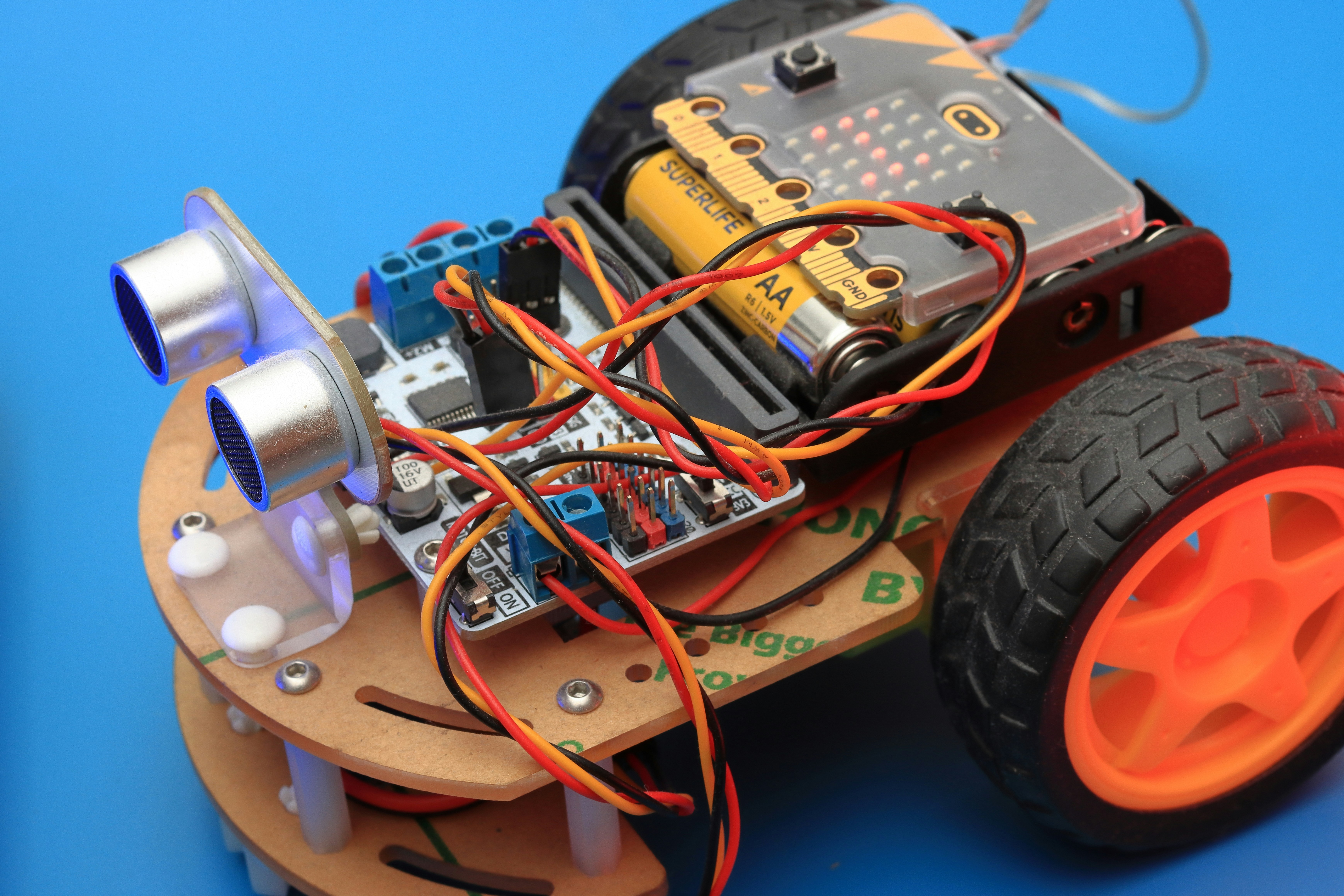
Can interactive coding tutorials be used in a classroom setting to teach robotics and programming?
Yes, absolutely. Interactive tutorials are increasingly being adopted in K-12 and university settings. Platforms like Codédex and Codecademy offer classroom management tools that allow teachers to track student progress, assign projects, and provide feedback. For robotics, simulations within these platforms allow students to test code without needing physical hardware, making it accessible for schools with limited budgets.
Are there any free interactive coding tutorials available for learning robotic coding?
Yes. freeCodeCamp offers a completely free curriculum that covers the basics of programming, which is essential for robotics. Exercism also provides free mentorship and challenges. While dedicated robotics simulations often require hardware, platforms like Tinkercad (by Autodesk) offer free browser-based Arduino simulations that are perfect for beginners.
How do interactive coding tutorials compare to traditional coding instruction methods?
Interactive tutorials offer imediate feedback and hands-on practice, which leads to higher retention rates compared to traditional lectures. However, traditional methods often provide a deeper theoretical foundation. The best approach is a hybrid model: use interactive tutorials for practice and traditional resources (books, lectures) for theory.
What are the key features to look for in an interactive coding tutorial for robotics?
Look for platforms that offer hardware simulation, support for C++ and Python (common in robotics), and real-time feedback. Features like multiplayer coding and community support are also beneficial. Check out our Robotic Simulations category for more details.
Read more about “🤖 15+ Ways Arduino Powers Robots (2026 Guide)”
Can interactive coding tutorials be used to teach robotic coding to kids?
Yes. Platforms like Codédex and Scratch (by MIT) are designed specifically for kids. They use gamification and visual programming to make learning fun and accessible. These platforms often include robotics modules that allow kids to control virtual robots.
Read more about “15 Robotics Coding Projects for Kids That Spark Genius 🤖 (2025)”
How do interactive coding tutorials help beginners learn programming faster?
They reduce the friction of setting up environments and provide instant feedback. This allows beginners to focus on logic and problem-solving rather than syntax errors. The gamified nature of many platforms also keeps learners motivated.
Read more about “🤖 MicroPython vs C: The Ultimate 2026 Showdown for Robots”
What are the best online platforms for interactive coding tutorials?
Our top picks are Codecademy for general programming, Codédex for beginners, Scrimba for web development, and LetCode for interview prep. For robotics, Tinkercad and Arduino are essential.
What are the best interactive coding tutorials for robotics beginners?
For beginners, Codédex (for Python) and Tinkercad (for Arduino simulations) are the best starting points. They offer a gentle learning curve and immediate visual feedback.
Read more about “🤖 6 Best Beginner-Friendly Arduino Robot Kits (2026)”
How do interactive coding tutorials help in learning robotic programming?
They provide a safe environment to experiment with code and see the results instantly. This is crucial for understanding how code interacts with sensors and actuators.
Read more about “🤖 CircuitPython vs MicroPython: The 2026 Showdown for Robots & Makers”
Which platforms offer hands-on robotic coding exercises?
Tinkercad, Arduino (via Arduino Official Website), and Codédex offer hands-on exercises. Replit also supports multiplayer coding for collaborative robotics projects.
Can interactive coding tutorials teach Python for robotics?
Yes. Python is widely used in robotics, and platforms like Codédex, DataCamp, and Codecademy offer comprehensive Python courses. These courses often include projects that simulate robotic behavior.
Read more about “🤖 10+ Ways to Connect Sensors to Arduino for Robotics (2026)”
What are the top free interactive coding tutorials for building robots?
Tinkercad is the top free option for Arduino simulations. freeCodeCamp and Exercism offer free programming challenges that are foundational for robotics.
Read more about “🤖 What is Arduino and How Does It Work? The Ultimate 2026 Guide”
How to choose the right interactive coding tutorial for robotic projects?
Consider your skill level, target language (Python, C++, etc.), and hardware access. If you don’t have hardware, choose a platform with simulations. If you have hardware, choose one that supports real device integration.
Read more about “🚀 10 Essential MicroPython Tutorials to Master Hardware in 2026”
Are there interactive coding tutorials specifically for Arduino robotics?
Yes. Tinkercad offers a dedicated Arduino simulator. Codédex also has modules that cover Arduino basics. Additionally, the Arduino Official Website provides tutorials and examples.
Read more about “🤖 12+ Mind-Blowing CircuitPython Examples for 2026”
📚 Reference Links
- Codecademy: Codecademy Official Website
- freeCodeCamp: freeCodeCamp Official Website
- Codédex: Codédex | Start Your Coding Adventure
- Scrimba: Scrimba Official Website
- LetCode: LetCode Official Website
- HackerRank: HackerRank Official Website
- Exercism: Exercism Official Website
- DataCamp: DataCamp Official Website
- Arduino: Arduino Official Website
- Tinkercad: Tinkercad Official Website
- Robotic Coding™ Categories:
- Coding Languages
- Robotics
- Artificial Intelligence
- Robotic Simulations
- Arduino Guide